📖 Guides
Everything you need to know about homemade insecticidal soap. Jump a cluster — DIY methods, buying notes, pest pages, or application safety — instead of scrolling a flat dump.
Start here
Already-published pages only. No new directories.
| Topic | Published page |
|---|---|
| DIY methods | How to Make Insecticidal Soap at Home |
| Buying & comparison | Best Insecticidal Soap: 5 Top Brands Compared |
| By pest | How to Get Rid of Aphids Naturally |
| By plant & place | Insecticidal Soap for Tomatoes |
| Timing & safety | When to Spray Insecticidal Soap for Best Results |
DIY methods
Core kitchen recipes, expanded ratios, and homemade vs ready-to-use — same chemistry, different formats.
Does Homemade Insecticidal Soap Expire? Shelf Life and Storage
Diluted homemade insecticidal soap does not keep. Learn how long mixed spray lasts, how to store the unused soap bottle, and when leftover mix belongs in the sink instead of on plants.
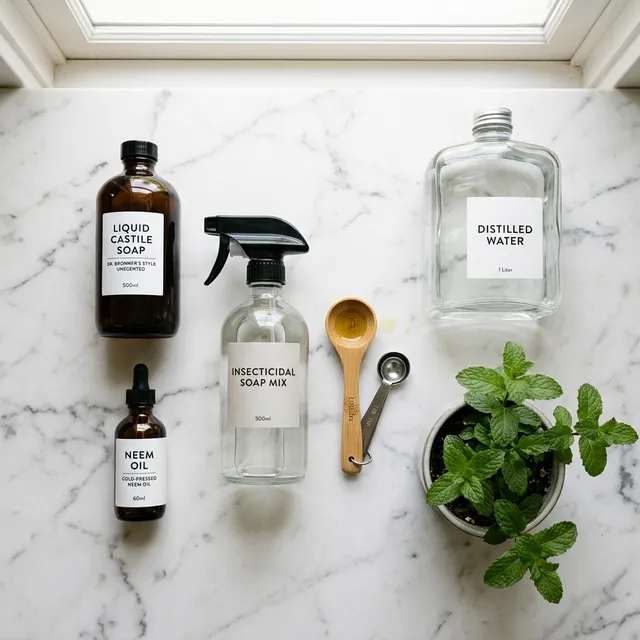
How to Make Insecticidal Soap at Home: Complete DIY Recipe
Expanded 0.5% / 1% / 2% mix tables and a 48-hour patch test. When castile is enough, and why hard tap water wrecks a batch.
How to Make a DIY Insecticidal Soap Recipe: Specific Benefits
Recipe-card ratios for aphids and spider mites: 1 tbsp castile per quart of distilled water, plus the rinse window that limits leaf burn.
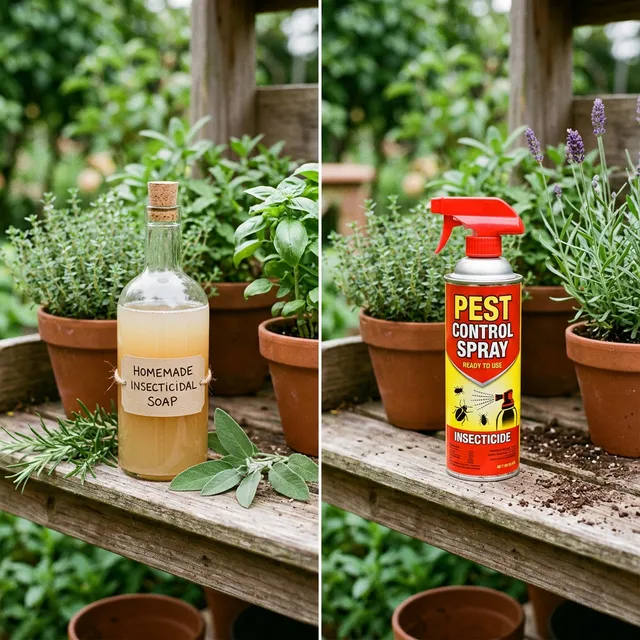
Homemade vs Commercial Insecticidal Soap
Same fatty-acid chemistry, different spend: kitchen castile vs a labeled concentrate. When mixing wins, and when a store bottle is backup.
How to Make Insecticidal Soap at Home
Core 3-ingredient method: 1 tablespoon unscented castile per quart, leaf-underside coverage, and the mixing mistakes that burn plants.
Buying & comparison
When a store bottle is worth it, which soap or sprayer to buy, and when DIY is enough.
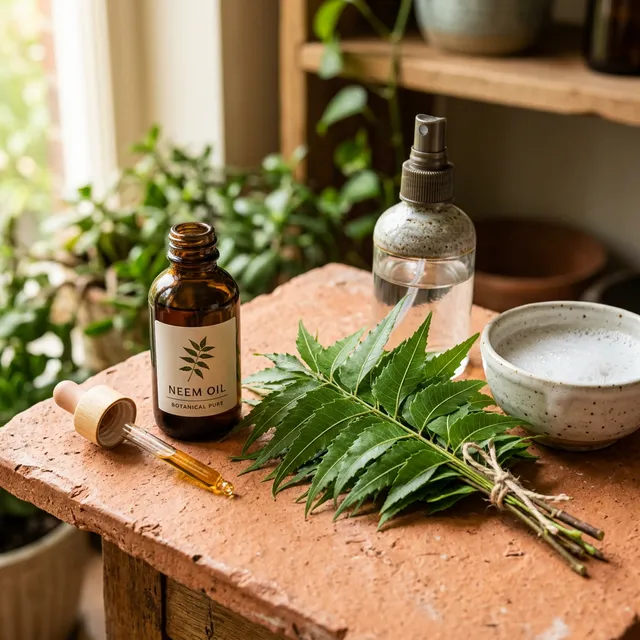
Best Neem Oil Products for Gardens: Complete Buyer's Guide
Buy cold-pressed neem for residual or mildew help — not as the first bottle for a small aphid colony. Check azadirachtin, not the listing title.
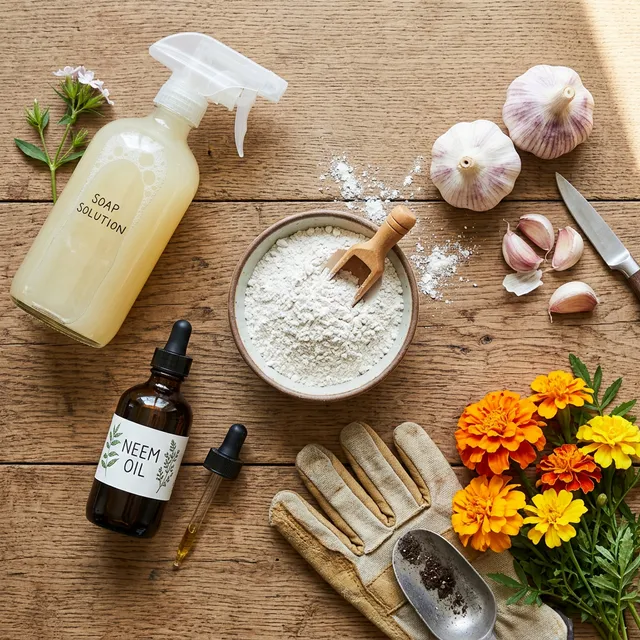
Best Organic Pesticides for Vegetable Gardens
Start with 1% castile for soft-bodied pests. Buy Bt for caterpillars and spinosad for beetles — not another RTU soap for the same aphids.
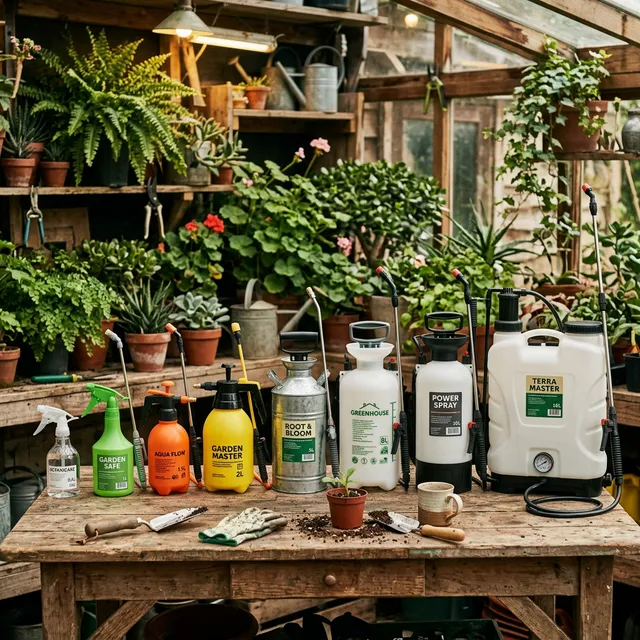
Best Garden Sprayers for Insecticidal Soap
A 1-gallon pump beats a trigger bottle once a bed needs underside coverage. Hose-end sprayers cannot hold a safe 1% soap mix.
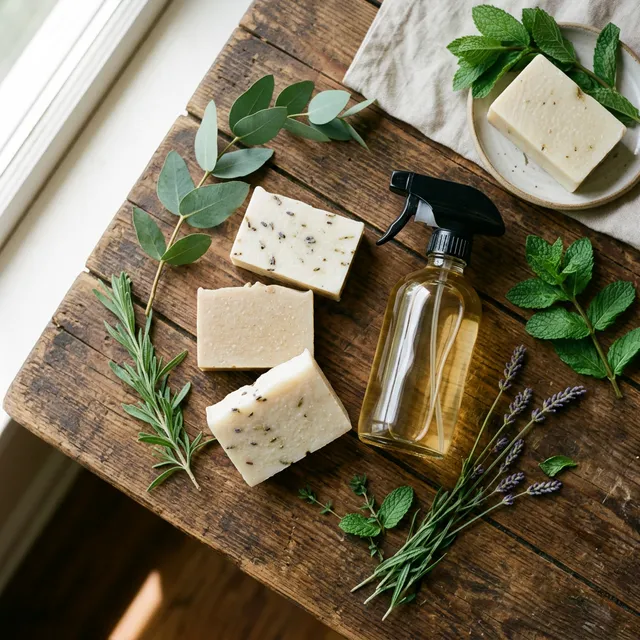
Best Insecticidal Soap: 5 Top Brands Compared
Safer concentrate vs RTU bottles: when kitchen castile is enough, when hard water argues for a labeled mix, and which format ships water.
Best Soap for Insecticidal Spray (and What to Avoid)
True castile vs dish detergent: unscented liquid soap at 1 tablespoon per quart. Dawn and “ultra” bottles strip leaf wax.
Insecticidal Soap Buying Guide: Everything You Need
Shop unscented castile, a dedicated sprayer, and soft water first. Skip a ready-to-use bottle unless you want zero mixing on two houseplants.
Best Spray Bottles for Garden Use
A dedicated 32 oz trigger covers houseplants; upgrade when fatigue skips leaf undersides. Fine mist, not a reused bleach bottle.
By pest
Soft-bodied insects soap can hit on contact, plus pests that need a different tool.
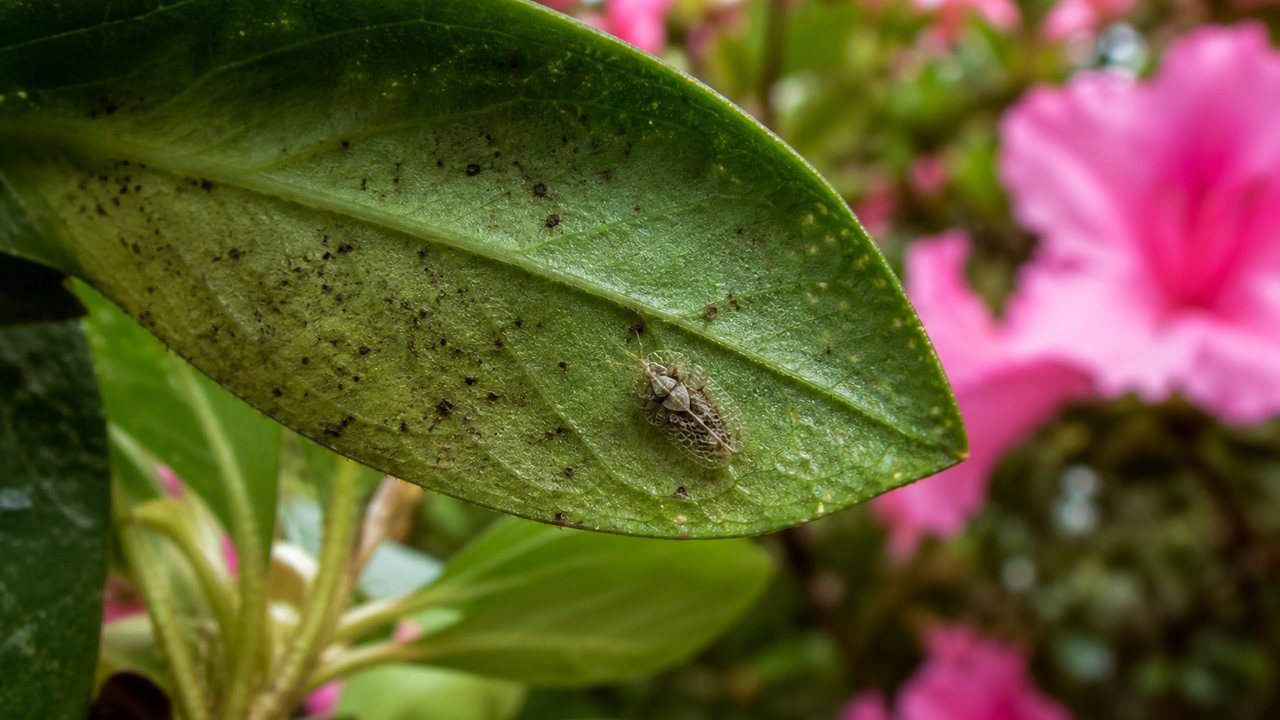
Insecticidal Soap for Lace Bugs: Underside Spray Timing That Actually Works
Azalea lace bugs live on the leaf underside; boxwood hedges next to them usually have mites or leafminers. Soap only works if you wet that underside at first nymph hatch, then again in 7–10 days.
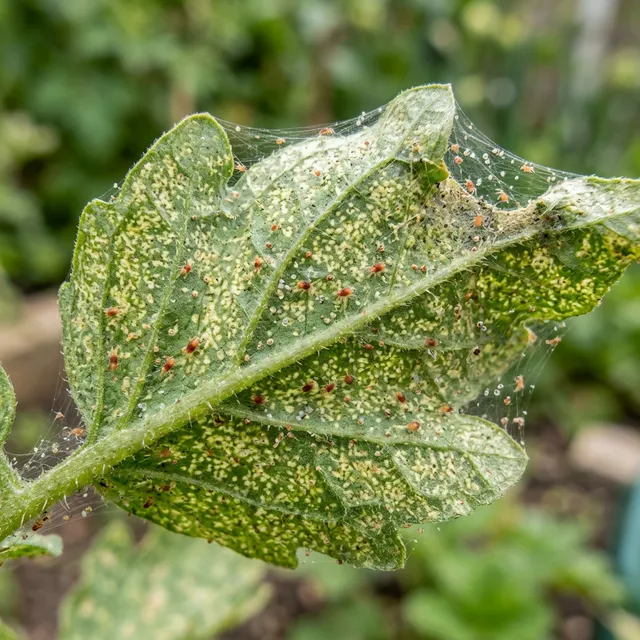
How to Get Rid of Spider Mites Naturally
Proven natural methods for killing spider mites on houseplants and garden crops — soap sprays, neem oil, predatory mites, and prevention.
How to Get Rid of Whiteflies on Plants
Complete whitefly control guide — from soap sprays and sticky traps to biological controls. Works on houseplants and garden crops.
Slug and Snail Control: Organic Methods That Work
Proven organic methods for stopping slugs and snails — from beer traps and copper barriers to iron phosphate bait and predator habitat.
How to Get Rid of Aphids Naturally
Water blast first, then 1% castile on colonies, then neem if they return. Why aphids rebound after one spray — and how to break the cycle.
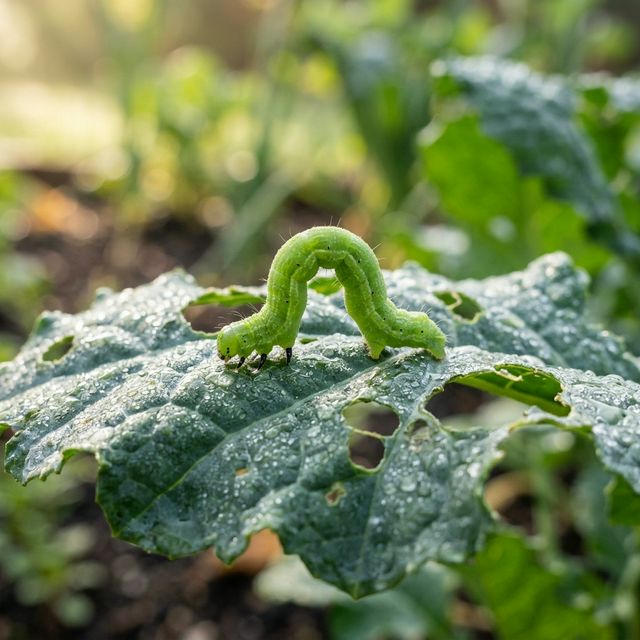
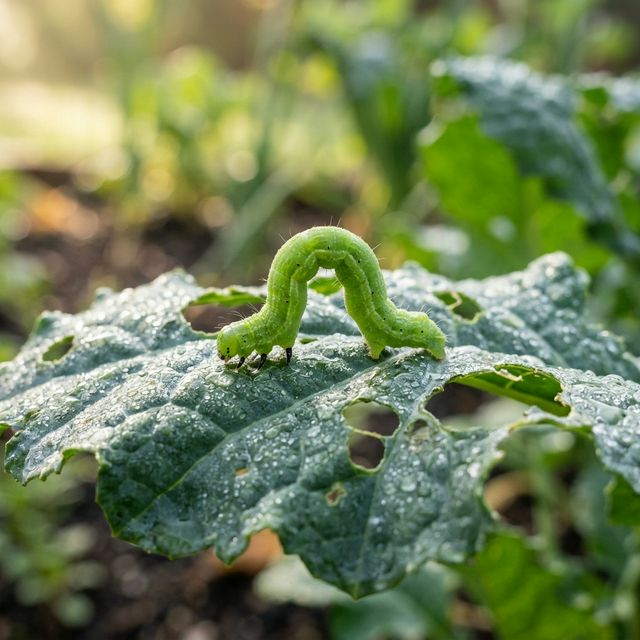
Insecticidal Soap for Cabbage Loopers
Cabbage loopers chew through kale, broccoli, and lettuce with their distinctive inchworm movement. Learn the organic controls that actually stop these hungry caterpillars.
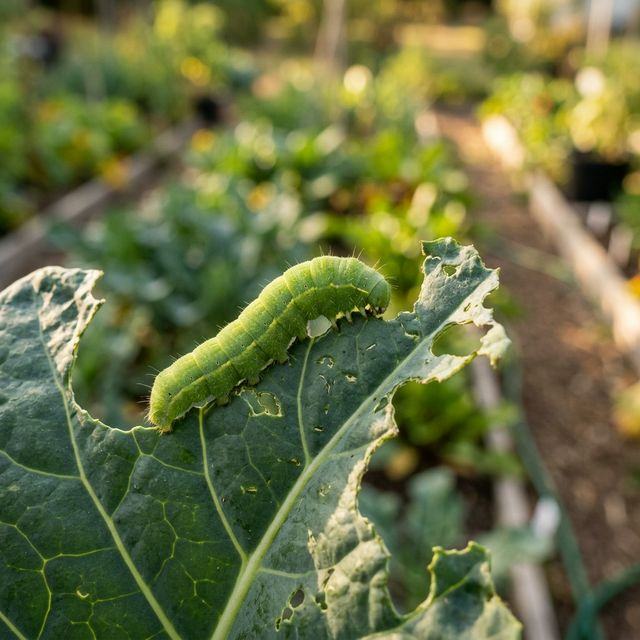
Insecticidal Soap for Cabbage Worms
Cabbage worms chew through brassicas fast. Learn whether insecticidal soap works on caterpillars and the proven organic methods that actually stop cabbage worms.
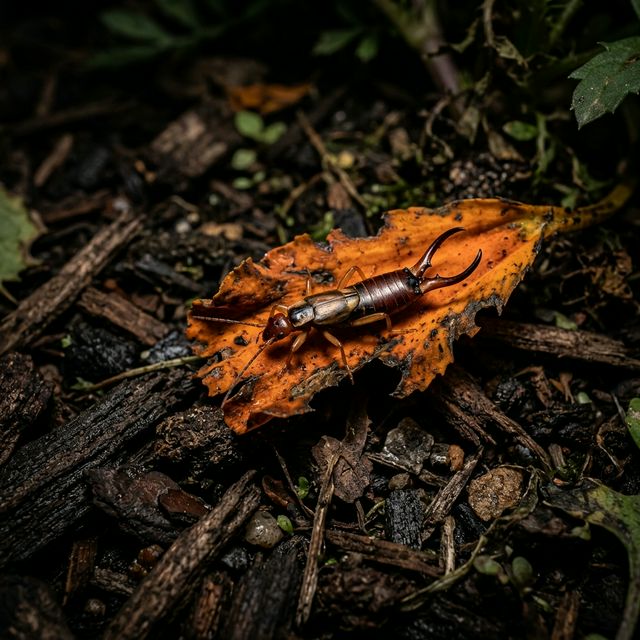
Insecticidal Soap for Earwigs
Earwigs devour seedlings and soft flowers at night. Learn whether insecticidal soap kills earwigs and the most effective organic traps and controls.
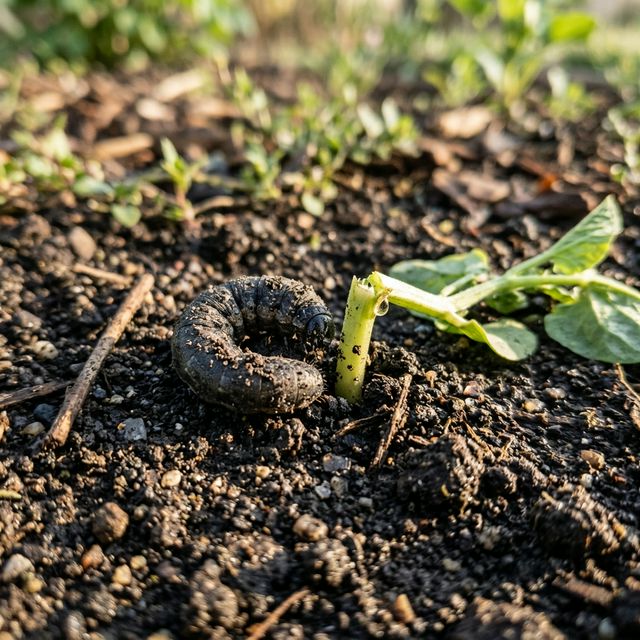
Insecticidal Soap for Cutworms
Cutworms sever seedlings at the soil line overnight. Learn why insecticidal soap can't stop them and the proven organic barriers that save your transplants.
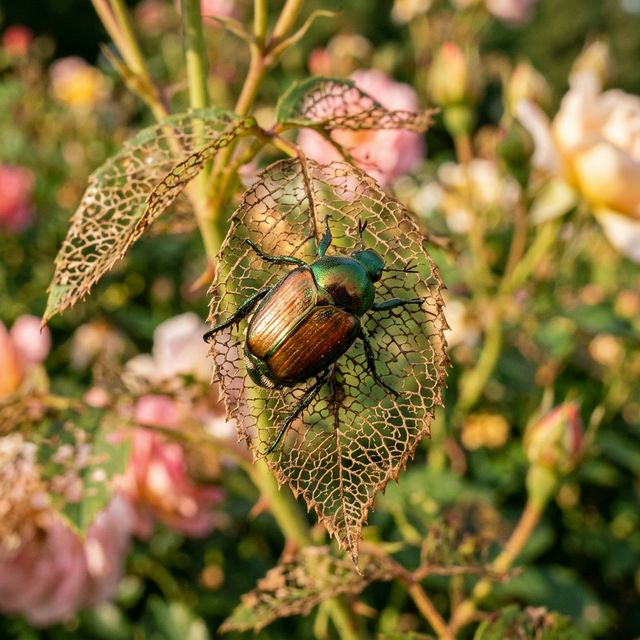
Insecticidal Soap for Japanese Beetles
Japanese beetles are armored pests that resist insecticidal soap. Learn what actually works to stop them from skeletonizing your roses, grapes, and garden plants.

Insecticidal Soap for Leafhoppers
Leafhoppers cause stippling damage and spread plant diseases. Learn how to use insecticidal soap effectively against these fast-moving sap feeders.
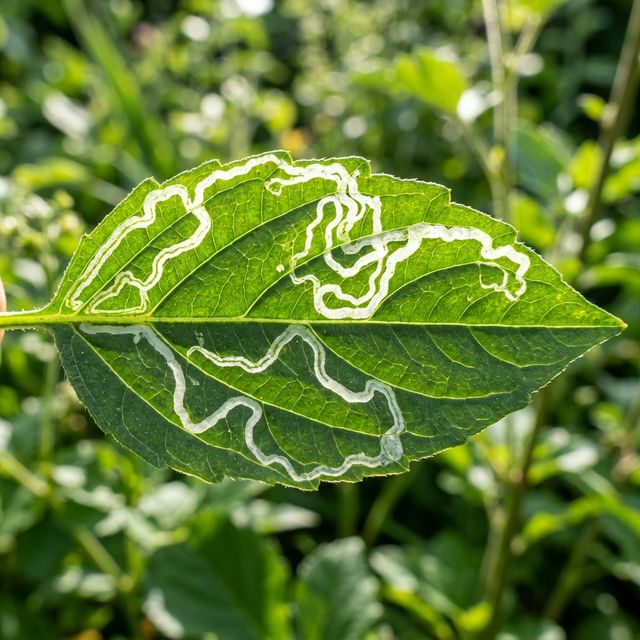
Insecticidal Soap for Leaf Miners
Leaf miners tunnel inside your leaves where sprays can't reach them. Learn when insecticidal soap actually works against leaf miners and the organic strategies that do.
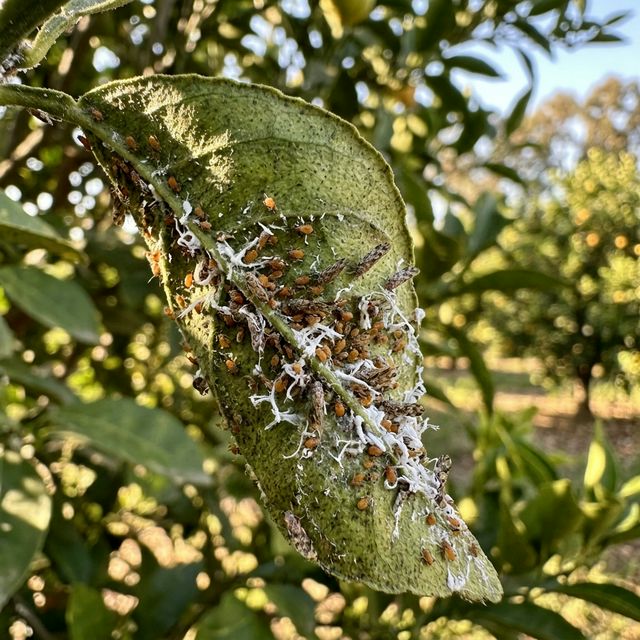
Insecticidal Soap for Psyllids
Psyllids cause curled leaves and spread serious plant diseases. Learn how insecticidal soap controls these tiny sap feeders on citrus, tomatoes, and potatoes.
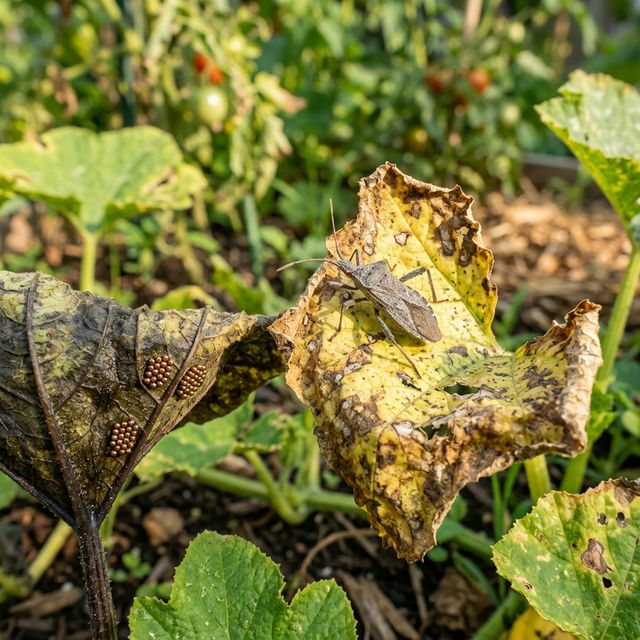
Insecticidal Soap for Squash Bugs
Squash bugs destroy zucchini, pumpkins, and summer squash fast. Learn whether insecticidal soap works on them and the best organic strategy to protect your cucurbits.
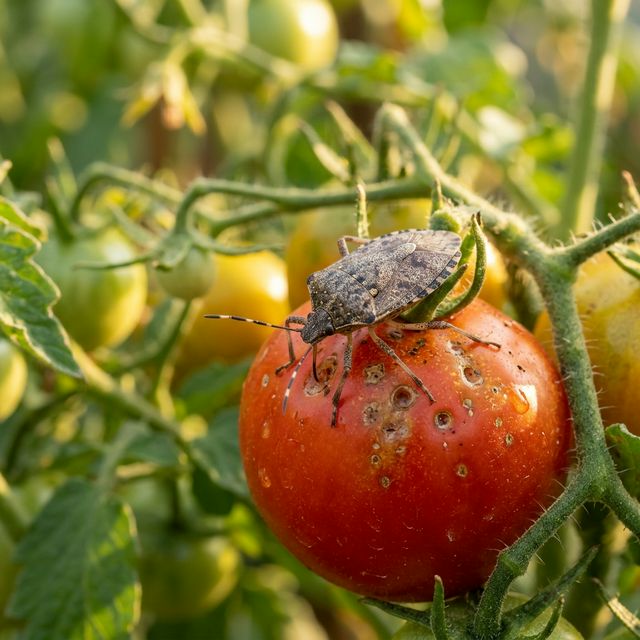
Insecticidal Soap for Stink Bugs
Stink bugs damage tomatoes, peppers, and fruit while invading homes in fall. Learn whether insecticidal soap works on these shield-shaped pests and what does.
Insecticidal Soap for Aphids
Aphids die on contact if you wet the colony and the leaf underside. Coverage, 5–7 day repeats, and when to add neem instead of more soap.
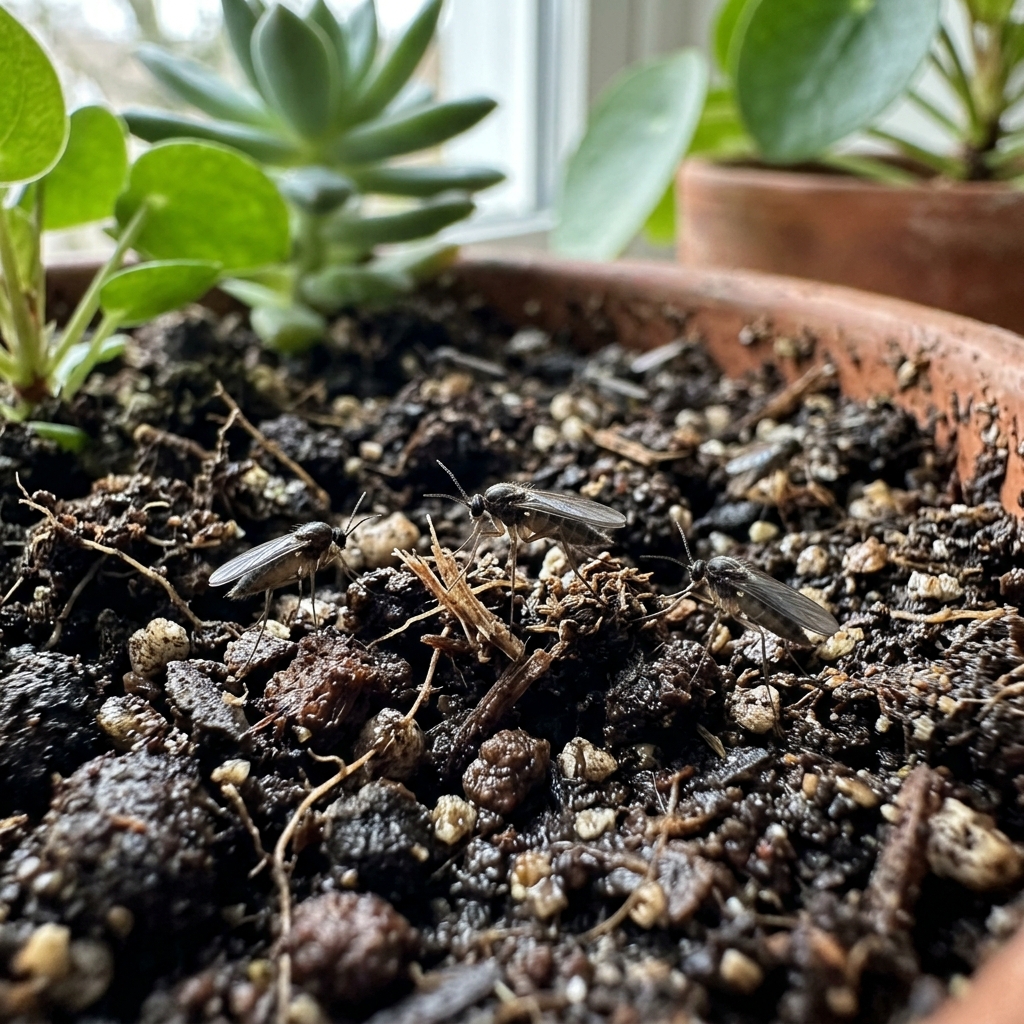
Insecticidal Soap for Fungus Gnats
Fungus gnats are annoying, and their larvae damage plant roots. While insecticidal soap has limited use for gnats, here's the complete treatment strategy.
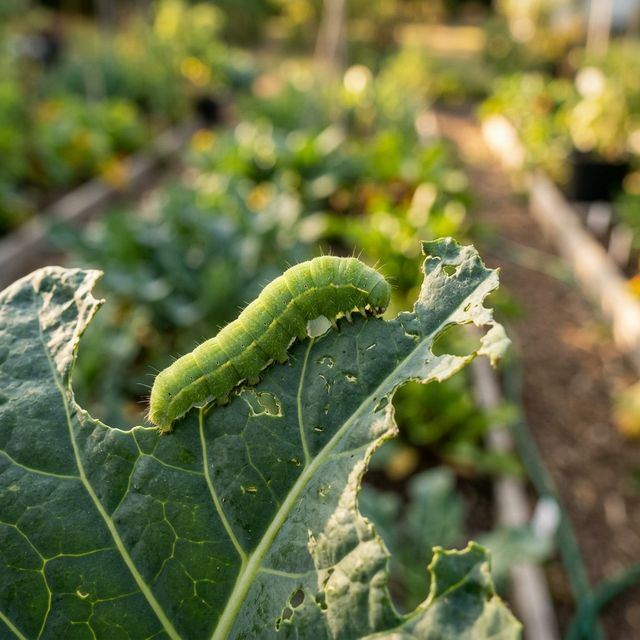
Insecticidal Soap for Mealybugs
Mealybugs are one of the toughest soft-bodied pests to eliminate. Their waxy coating resists plain water, but insecticidal soap breaks through. Here's how.
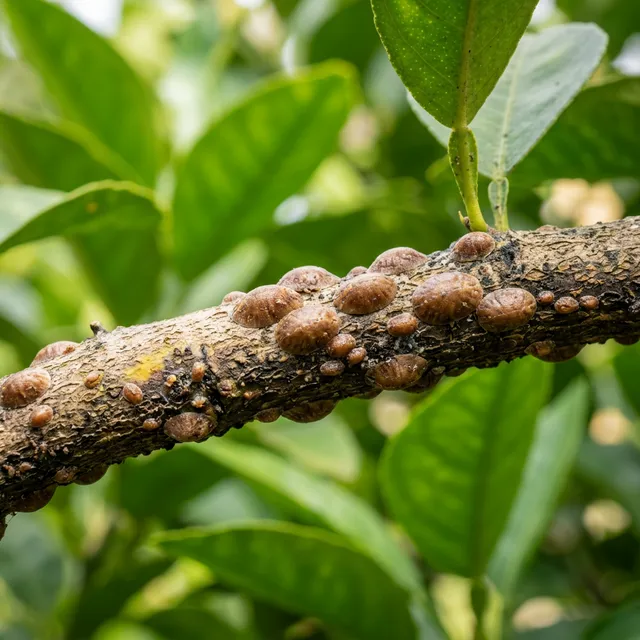
Insecticidal Soap for Scale Insects
Scale insects look like bumps on stems rather than bugs. Their hard or waxy shells make them tricky to treat, but insecticidal soap works when applied at the right life stage.
Insecticidal Soap for Spider Mites
Spider mites are tiny, destructive, and multiply fast. Insecticidal soap is your best organic defense. Here's exactly how to use it.
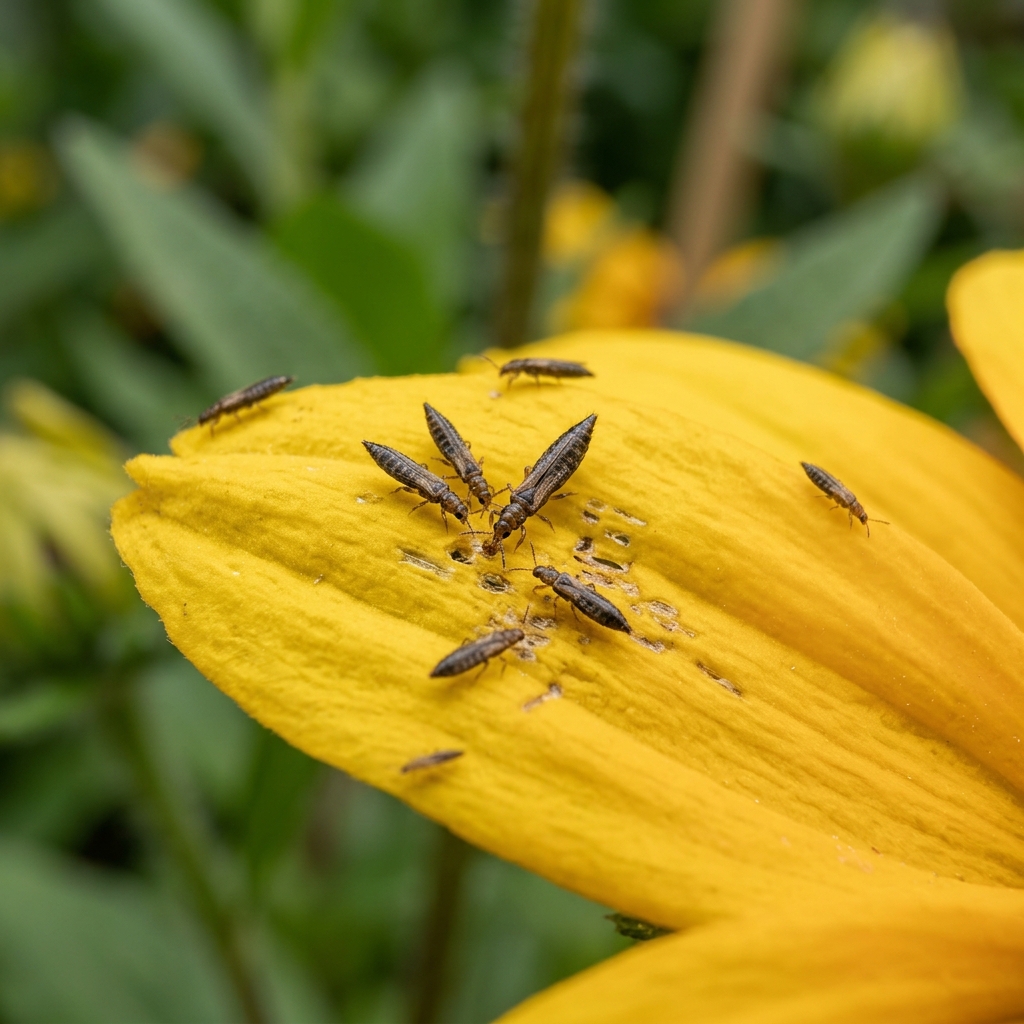
Insecticidal Soap for Thrips
Thrips are tiny, fast-moving pests that damage leaves and spread plant viruses. Insecticidal soap can control them, but timing and technique are critical.
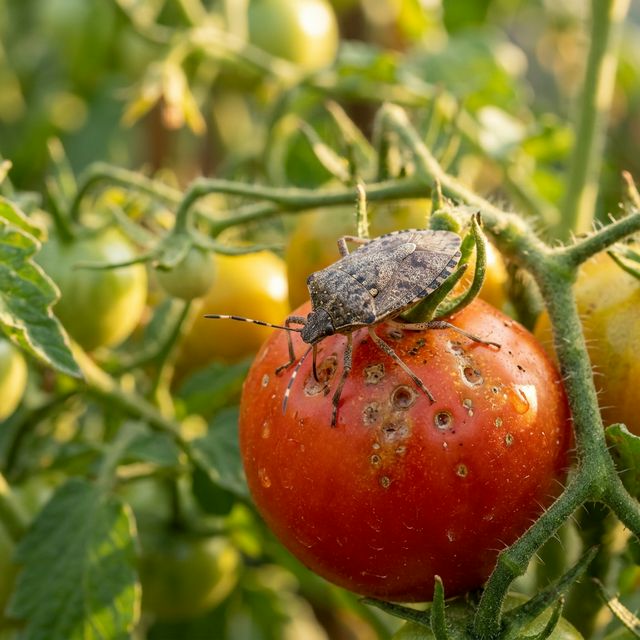
Insecticidal Soap for Whiteflies
Whiteflies driving you crazy? Learn exactly how to use insecticidal soap to eliminate whiteflies from your garden — the right recipe, timing, and technique.
By plant & place
Crop- and setting-specific application: tomatoes, roses, fruit trees, indoor plants, raised beds.
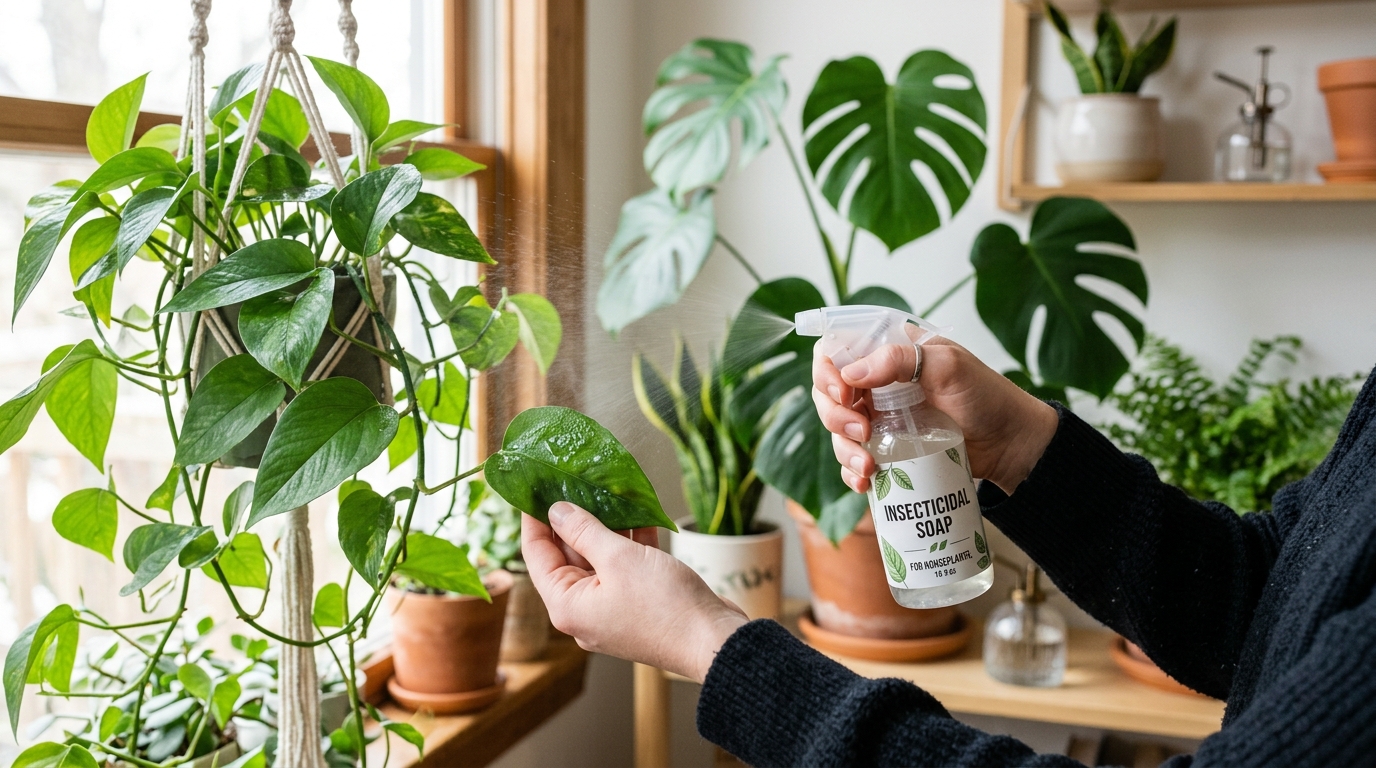
How to Use Insecticidal Soap on Indoor Plants (Complete Guide)
Everything you need to know about treating indoor plant pests with insecticidal soap — dilution ratios, safe vs. sensitive species, ventilation, and application tips.
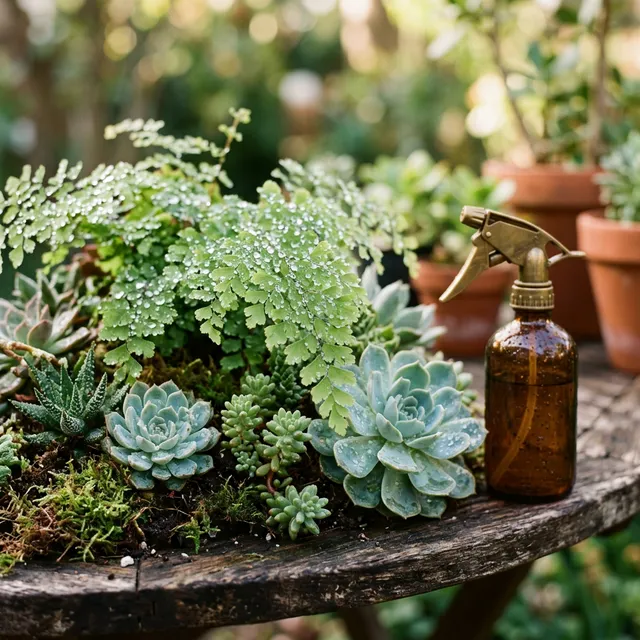
Insecticidal Soap for Succulents and Houseplants: Safe Application Guide
Learn how to safely use insecticidal soap on succulents and houseplants without burning leaves, including dilution ratios and sensitive plant lists for 2026.
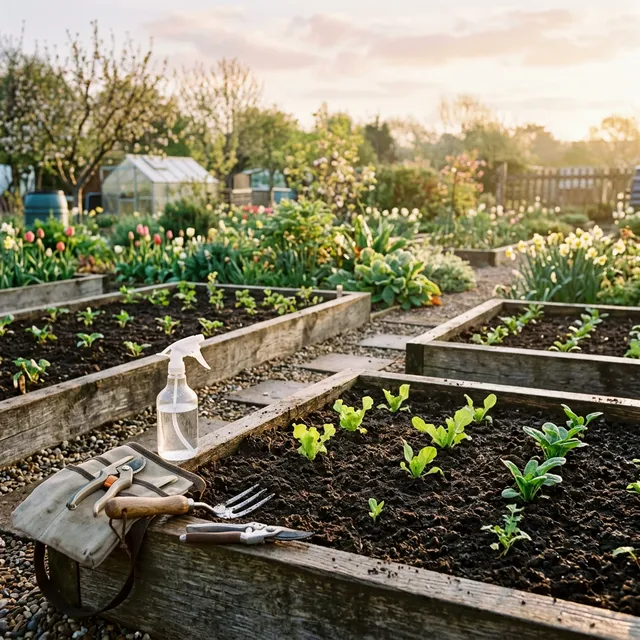
Raised Bed Pest Prevention Strategies
Stop pests before they reach your raised beds. Physical barriers, soil health, companion planting, and monitoring for clean crops.
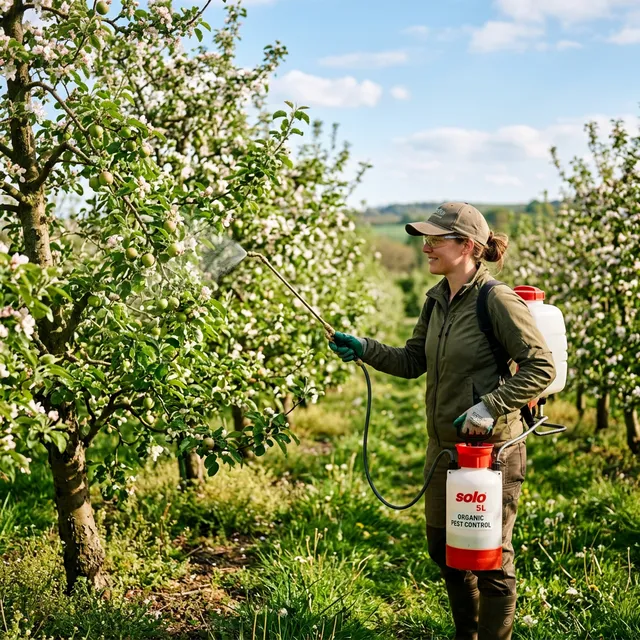
Insecticidal Soap for Fruit Trees
Fruit trees face aphids, scale, spider mites, and more. Insecticidal soap offers safe, organic pest control without contaminating your harvest.
Insecticidal Soap for Indoor Plants
How to safely use insecticidal soap on houseplants without damaging delicate leaves. Indoor-specific tips for aphids, mealybugs, fungus gnats, and spider mites.
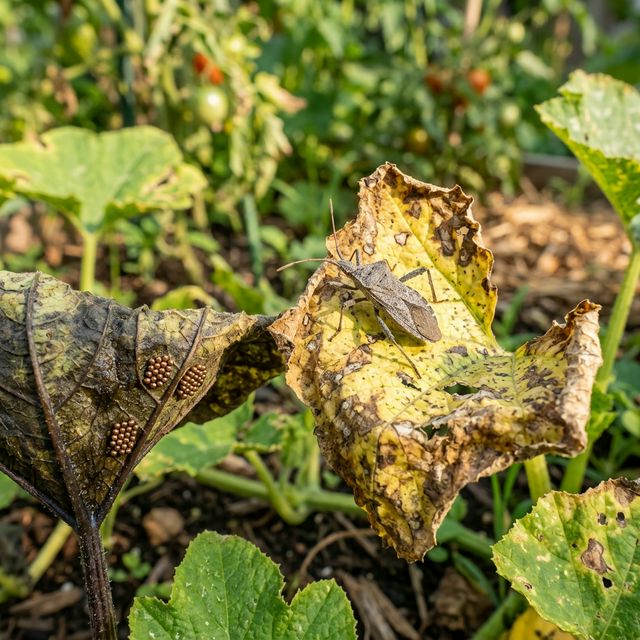
Insecticidal Soap for Roses
Roses attract aphids, thrips, and spider mites. Insecticidal soap treats all three without harming your blooms. Here's the rose-specific guide.
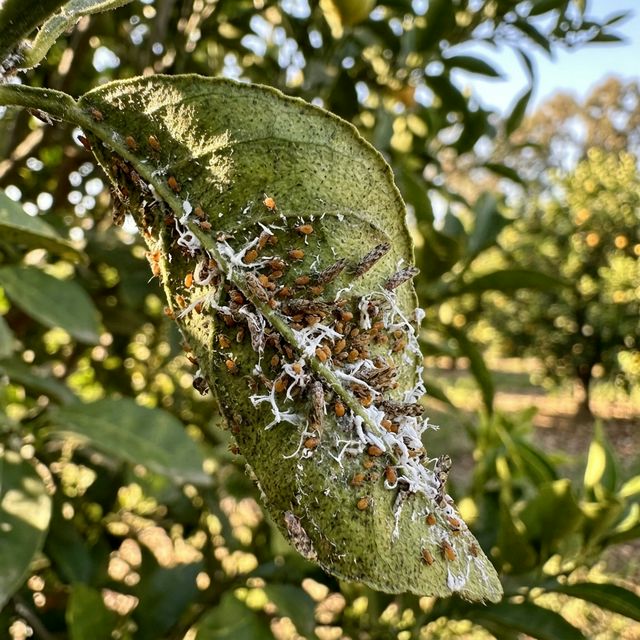
Insecticidal Soap for Tomatoes
Tomatoes attract aphids, whiteflies, and hornworms. Insecticidal soap handles the first two safely without harming fruit. Here's the tomato-specific guide.
Timing, safety & troubleshooting
When to spray, which plants burn, and what to check when a batch does nothing.
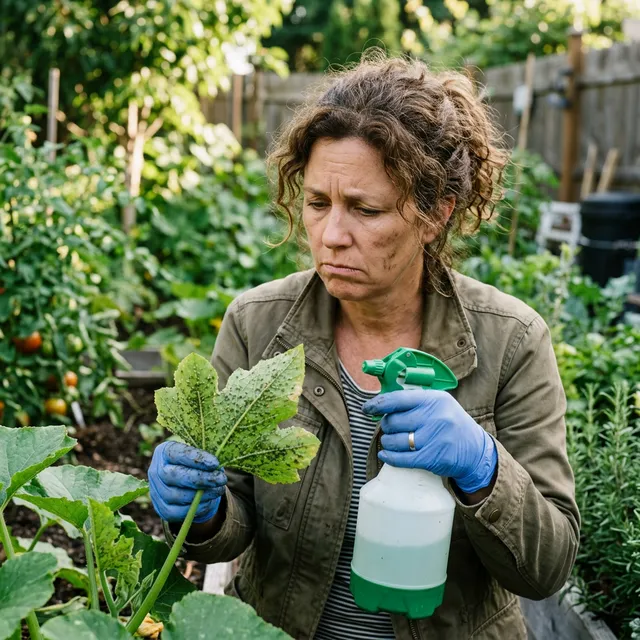
Insecticidal Soap Not Working? 8 Fixes
Your insecticidal soap spray isn't killing pests? Here are the 8 most common reasons it fails and exactly how to fix each one.
Insecticidal Soap Plant Safety Guide
Insecticidal soap is gentle — but not on every plant. Learn which plants are sensitive, how to protect them, and safe application tips.
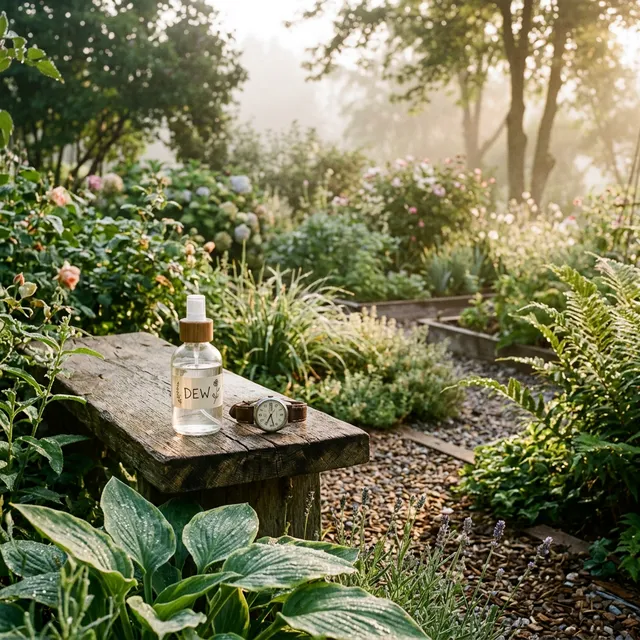
When to Spray Insecticidal Soap for Best Results
Timing is everything with insecticidal soap. Learn the best time of day, season, and growth stage to spray for maximum pest control.
Garden IPM extras
Natural pesticides, beneficial insects, and physical controls that sit beside soap spray.
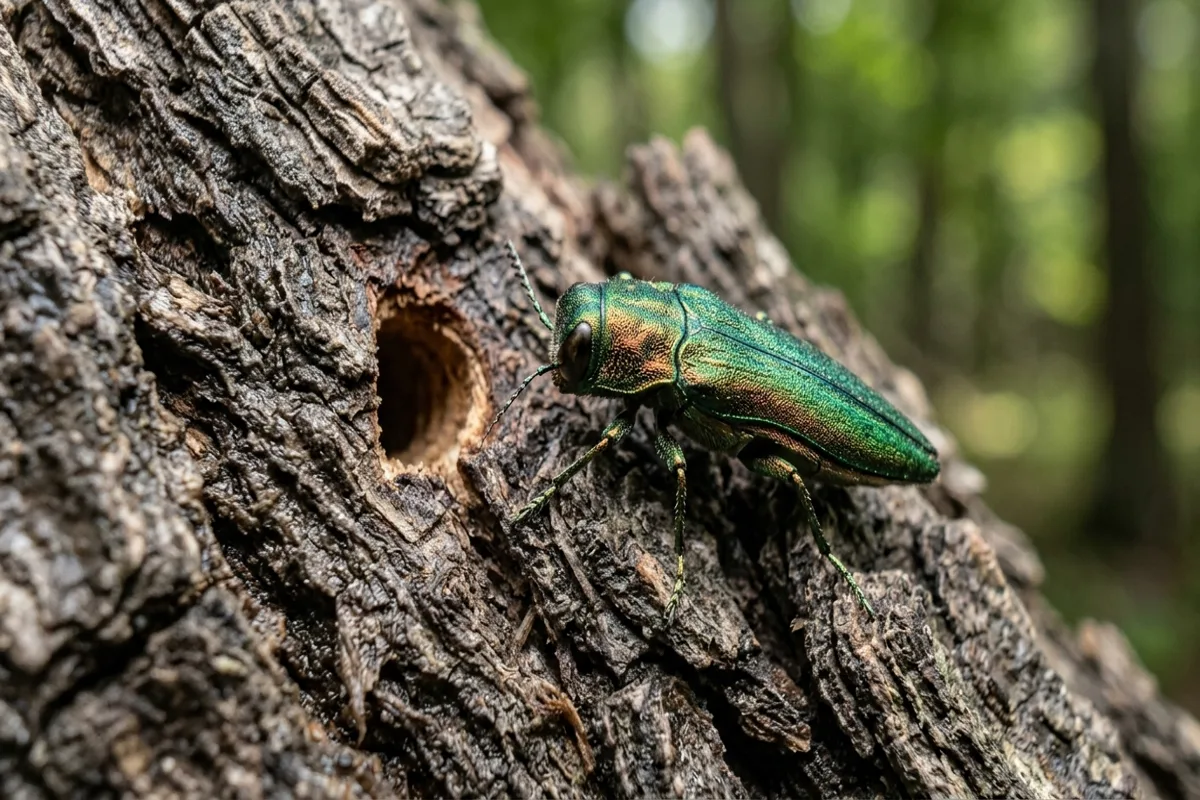
Emerald Ash Borer Treatment: Where Soap Fits (and Doesn't)
Emerald ash borer is systemic-insecticide territory — trunk injections of emamectin benzoate per USDA and extension guidance. Here is the honest treat-vs-remove decision, and why a soap spray is not in it.
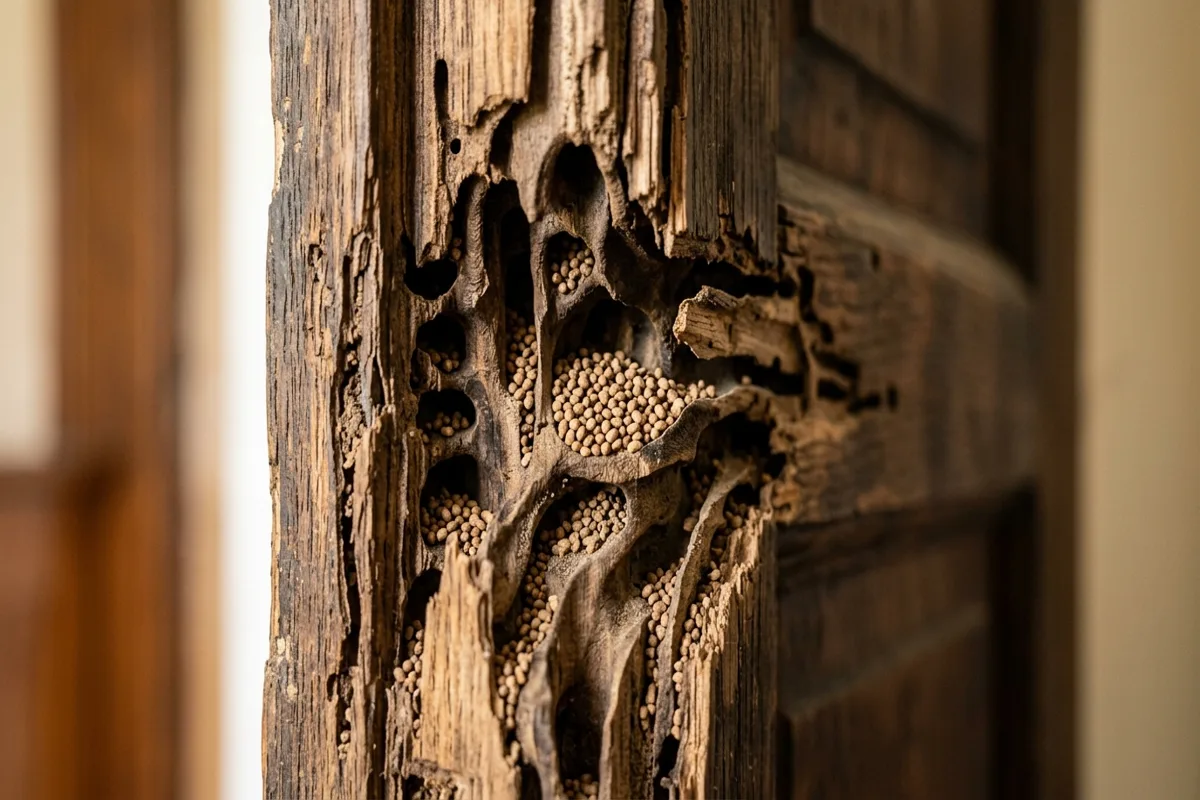
Termite Spray vs Insecticidal Soap: What Actually Works
Insecticidal soap is a contact product for soft-bodied pests and does very little to a termite colony. Here is what extension sources say actually treats termites, and when a DIY spray is legitimate.
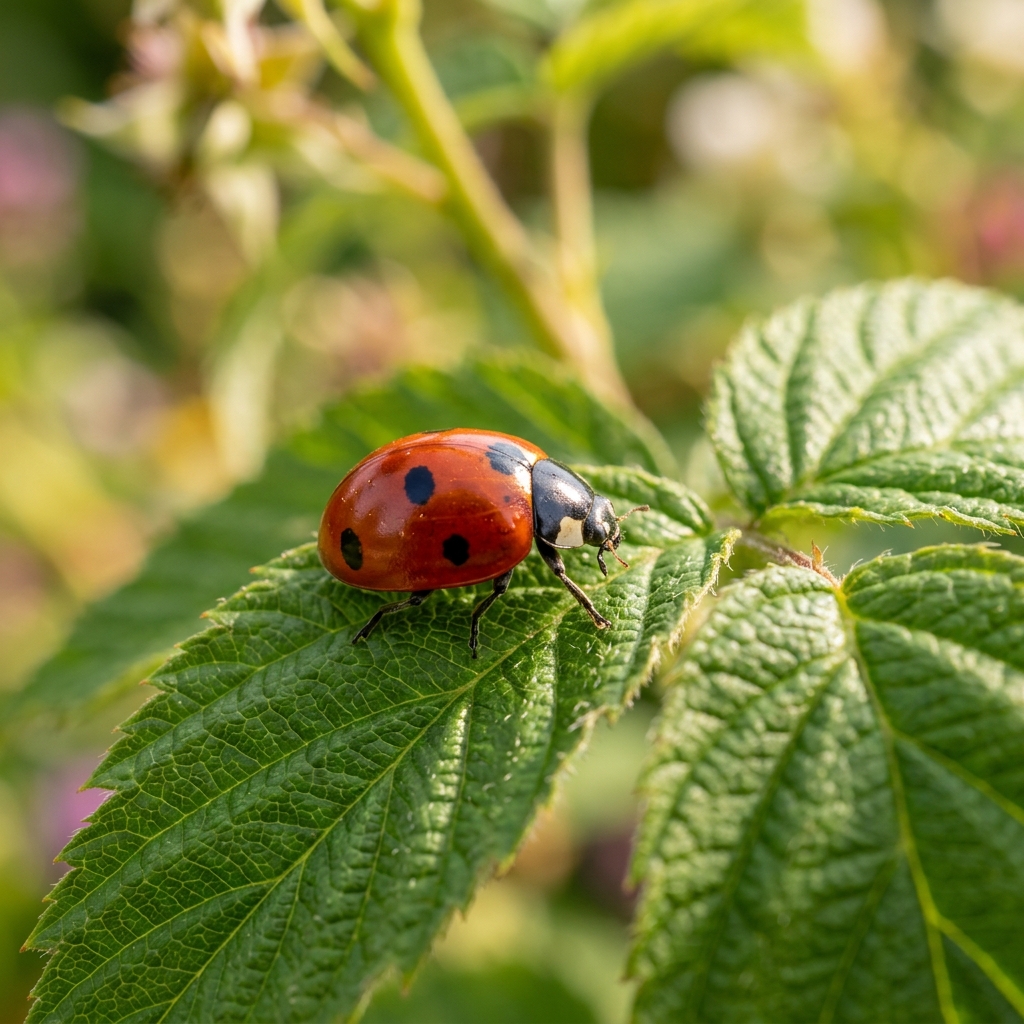
How to Attract Beneficial Insects to Your Garden
Turn your garden into a predator habitat. Practical steps to attract ladybugs, lacewings, parasitic wasps, and other pest-eating allies.
Diatomaceous Earth for Gardens: Complete Guide
How to use food-grade diatomaceous earth in your garden for slugs, ants, beetles, and more. Application methods, safety tips, and limitations.
Natural Pesticides for Vegetable Gardens
Six extension-guided tools for edible beds: contact soap first, then neem, Bt, and companions. Ranked by pest — not by the loudest organic label.