How to Use Insecticidal Soap on Indoor Plants (Complete Guide)
Garden Soap Team
· 8 min read
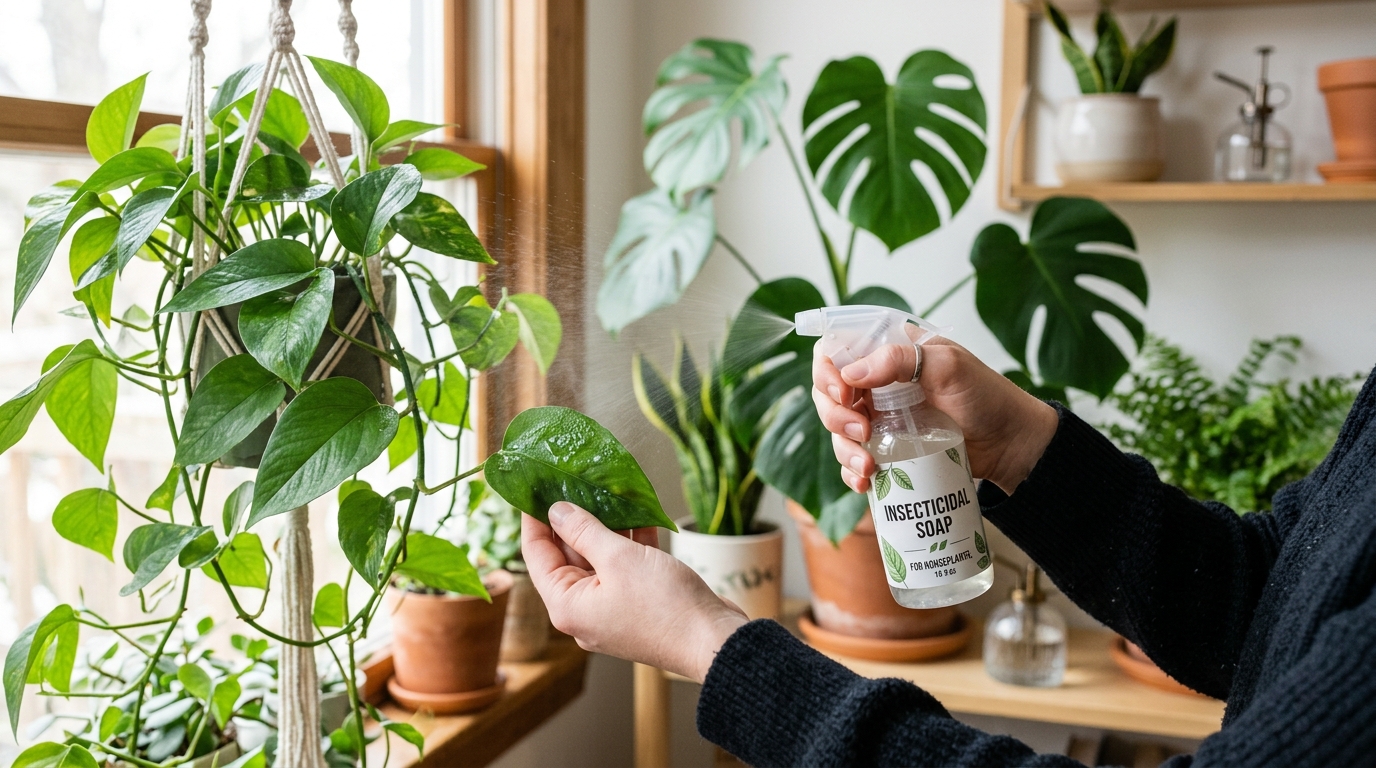
Your monstera has sticky leaves. There are tiny webs between your fiddle-leaf fig’s stems. White cottony patches are hiding in your pothos vine’s leaf joints. Sound familiar?
Indoor plant pests are sneaky. They hitchhike in on new purchases, hide in potting soil, and reproduce fast in the warm, still air of your living room. The standard garden advice — “spray with insecticidal soap” — works indoors too, but you need to adjust your approach. Indoor plants grow in lower light, have thinner leaf cuticles, and sit in rooms where overspray can stain furniture or irritate your lungs.
This guide covers everything: the right dilution ratios for houseplants, step-by-step application methods, which plants can handle it, which ones can’t, and how to ventilate properly so you’re not breathing soap mist all afternoon. For a shorter houseplant protocol, see insecticidal soap for indoor plants.
TL;DR: Mix 1 tablespoon of pure castile soap per quart of distilled water for most houseplants (half that for sensitive species). Spray in a bathtub or sink, coat all leaf surfaces, rinse after 30–60 minutes, and repeat every 5–7 days until pests are gone. Always patch test first.
Why Indoor Plants Need a Gentler Approach
Outdoor plants toughen up. Wind, rain, and UV light thicken their leaf cuticles — the waxy protective coating that keeps moisture in and pathogens out. Indoor plants never face those conditions. They grow softer, thinner leaves that are more vulnerable to soap damage.
Three factors make indoor treatment different:
- Thinner cuticles. Less wax means soap penetrates faster. What’s fine on a garden tomato may burn a calathea leaf.
- No rain rinse. Outdoor plants get washed by rain. Indoor plants hold soap residue until you rinse them yourself.
- Stagnant air. Without wind, sprayed leaves dry slowly. Prolonged wet soap contact increases the chance of phytotoxicity (chemical leaf burn).
These aren’t reasons to avoid insecticidal soap indoors. They’re reasons to use a slightly lower concentration and rinse more carefully afterward. A 1% solution (1 tablespoon castile soap per quart of water) works well for most houseplants. Drop to 0.5% (1.5 teaspoons per quart) for sensitive species.
The Indoor Dilution Ratios
Getting the concentration right matters more indoors than out, because you can’t rely on rain to dilute any excess.
| Strength | Castile Soap | Water (Distilled) | Best For |
|---|---|---|---|
| 0.5% (Gentle) | 1.5 teaspoons | 1 quart (32 oz) | Ferns, orchids, calathea, seedlings |
| 1.0% (Standard) | 1 tablespoon | 1 quart (32 oz) | Pothos, monstera, philodendron, herbs |
| 1.5% (Strong) | 1.5 tablespoons | 1 quart (32 oz) | Rubber plants, dracaena with heavy infestations |
Three rules that prevent mistakes:
- Always use distilled water. Tap water minerals react with castile soap, forming soap scum that clogs leaf pores and leaves white film on dark foliage. Rainwater or filtered water works too.
- Use unscented castile soap only. Fragranced soaps (even natural essential oil blends) can irritate sensitive indoor leaves. Dr. Bronner’s Unscented Baby-Mild is the safest choice.
- Mix fresh every time. Homemade insecticidal soap has no preservatives. It degrades within 48 hours. Make only what you’ll use today. Diluted homemade soap does not keep in a spray bottle.
How to Apply Insecticidal Soap Indoors
You can’t just spray your fern on the bookshelf and walk away. Overspray stains wood. Runoff pools in saucers. Mist lingers in closed rooms. Here’s how to do it cleanly.
The Bathtub Method (Best for Most Plants)
- Move the plant to the bathtub, shower, or kitchen sink. Line the tub with a towel if the pot might scratch.
- Spray all surfaces thoroughly. Hit the tops of leaves, undersides, stems, leaf joints, and any visible crevices. Pests cluster on the undersides — don’t skip them.
- Let the soap sit for 30 to 60 minutes. The solution kills on contact while wet. Give it time, but don’t leave it overnight.
- Rinse with lukewarm water. A gentle shower stream works. Rotate the plant so water reaches every angle.
- Let the pot drain completely. Tilt it to empty any water from the saucer. Soggy roots after treatment invite root rot.
- Return the plant to its spot. Keep it out of direct sunlight for 24 hours — soap-treated leaves sunburn more easily.
The Spot-Treatment Method (For Large or Immovable Plants)
Got a 6-foot fiddle-leaf fig you can’t carry? Try this instead:
- Lay old towels or plastic sheeting under and around the plant.
- Use a fine-mist spray bottle — coarse sprayers create big droplets that drip everywhere. A continuous-mist spray bottle works well.
- Spray targeted areas — focus on infested leaves rather than drenching the whole plant.
- Wipe leaves with a damp cloth 30–60 minutes after spraying to remove residue instead of rinsing.
- Open a window or run a fan to speed drying.
The Cotton Swab Method (For Mealybugs and Scale)
Some pests — especially mealybugs and scale — hide in tight leaf joints where spray doesn’t reach well.
- Dip a cotton swab in rubbing alcohol.
- Dab each visible mealybug or scale insect directly. The alcohol dissolves their waxy protective coating.
- Follow up with a soap spray to catch any you missed and kill newly hatched crawlers.
This combined approach works far better than soap or alcohol alone.
Which Indoor Pests Does Insecticidal Soap Kill?
Insecticidal soap is a contact killer. It dissolves the waxy outer coating of soft-bodied insects, causing them to dehydrate. But it only works while the spray is wet — once it dries, there’s zero residual effect.
Aphids
Where they hide: New growth tips, unopened buds, stem clusters. How well soap works: Excellent. Aphids have thin, exposed bodies with no protective coating. One thorough spray often eliminates a small colony.
Spider Mites
Where they hide: Leaf undersides, fine webbing between stems, near leaf veins. How well soap works: Very good, but you’ll need repeated treatments. Spider mites reproduce fast — a single female can lay hundreds of eggs. Spray every 5 days for 3 weeks to break the breeding cycle. Between treatments, boost humidity with a pebble tray or grouping plants together. Mites hate moisture.
Mealybugs
Where they hide: Leaf joints, stem crevices, under leaves, soil surface near the stem base. How well soap works: Good when combined with the cotton swab method above. Their waxy white coating gives partial protection, so direct contact is critical. Persistent infestations may need 4–5 weekly treatments. See insecticidal soap for mealybugs for the alcohol-plus-soap schedule.
Fungus Gnats
Where they hide: Adults fly around the soil surface. Larvae live in the top inch of moist potting mix. How well soap works: Soap spray kills adults on contact, but the real problem — the larvae — lives in the soil where spray doesn’t reach. Use soap spray for adults and combine it with a neem oil soil drench for larvae. Letting the top inch of soil dry between waterings also starves out larvae. The full fungus gnat treatment plan covers peroxide drenches and sticky traps.
Scale Insects
Where they hide: Along stems and leaf veins as hard brown or tan bumps. How well soap works: Limited against adults. Mature scale has a hard shell that blocks contact sprays. Scrape off visible adults with a fingernail or old toothbrush, then spray to target the vulnerable crawler (baby) stage.
Thrips
Where they hide: Inside flower buds, on new leaves, along leaf veins. How well soap works: Moderate. Thrips are small and fast-moving. Thorough coverage is key — they tend to hide in tight spots where spray doesn’t reach easily. Blue or yellow sticky traps near the plant help catch adults between soap treatments.
Which Houseplants Are Safe to Spray?
Plants That Tolerate Insecticidal Soap Well
These common houseplants handle a standard 1% solution with no issues:
- ✅ Pothos (all varieties)
- ✅ Monstera deliciosa
- ✅ Philodendron (heartleaf, brasil, etc.)
- ✅ Spider plant
- ✅ Peace lily
- ✅ Rubber plant (Ficus elastica)
- ✅ Snake plant (Sansevieria)
- ✅ ZZ plant
- ✅ Indoor herbs (basil, mint, parsley, cilantro)
- ✅ Dracaena
Plants That Need Extra Caution
These species are soap-sensitive. Use 0.5% concentration or spot-treat only:
- ⚠️ Ferns — Delicate fronds brown easily. Mist lightly, don’t soak.
- ⚠️ African violets — Fuzzy leaves trap soap droplets, causing spots and burns.
- ⚠️ Calathea / Maranta — Extremely thin leaves. Patch test is mandatory.
- ⚠️ Orchids — Use half-strength. Avoid getting soap in the crown (center) where water pools cause rot.
- ⚠️ Succulents with farina — The powdery wax coating on echeveria, graptoveria, and similar species doesn’t grow back once soap strips it. See our succulent-specific guide.
- ⚠️ Begonias — Some varieties have thin, delicate leaves that react to soap at standard concentration.
Always patch test. Even tolerant plants from a stressed batch can react badly. Spray 2–3 leaves, wait 48 hours, and check for yellowing, spotting, or browning before treating the whole plant.
Ventilation: The Step Most People Skip
Spraying soap mist in a closed room isn’t dangerous, but it’s not pleasant either. Fine mist hangs in the air, settles on surfaces, and can irritate your eyes and throat — especially in small apartments with poor airflow.
What to do:
- Open a window before you start spraying, and leave it open for at least 30 minutes after.
- Run a bathroom exhaust fan if you’re using the bathtub method.
- Point a small fan toward an open window to push mist out of the room.
- Avoid spraying near food prep areas. Treat plants in the bathroom, laundry room, or on a balcony.
- Wear a simple dust mask if you’re spraying many plants in one session. It’s soap, not poison — but nobody wants to inhale fine mist for 20 minutes.
Good airflow also helps plants dry faster after treatment, which reduces the risk of fungal issues from prolonged leaf wetness.
Treatment Schedule: How Often to Spray
One spray won’t end an infestation. Insecticidal soap has zero residual effect — it only kills pests it touches while wet. Eggs and hidden crawlers survive.
For active infestations:
| Week | Action |
|---|---|
| Week 1 | First full spray — all surfaces, every leaf |
| Week 2 | Second spray — catch newly hatched nymphs |
| Week 3 | Third spray — break the breeding cycle |
| Week 4 | Inspect closely. Spray again only if pests remain |
After 3–4 treatments with no new pests visible, you’ve likely cleared the infestation. Keep the plant in isolation for one more week to be safe.
For prevention: Once a month, wipe leaves with a damp cloth. This removes dust, reveals early pest signs, and keeps plants healthy. You don’t need to spray preventatively — insecticidal soap doesn’t repel anything once dry.
The Isolation Protocol
Indoor pests spread between plants fast. They crawl across shared shelves, hitch rides on your hands, and drift on air currents. When you find one infested plant:
- Isolate it immediately — move it to a separate room, not just a different shelf.
- Inspect every plant within 6 feet of the infested one. Use a magnifying glass for spider mites.
- Treat all suspicious plants at the same time. If you treat one and leave an infested neighbor, pests will just migrate back.
- Keep isolated plants quarantined for 2 full weeks after the last treatment. Reintroduce only after two clean inspections, a week apart.
This same protocol applies to new plants you bring home from a nursery or plant swap. Two weeks in quarantine before joining your collection prevents most indoor pest problems.
Frequently Asked Questions
Is insecticidal soap safe for all indoor plants?
Most common houseplants tolerate insecticidal soap at 1% concentration, but some don’t. Ferns, African violets, calathea, and succulents with powdery farina coatings are highly sensitive. Always patch test a single leaf and wait 48 hours before treating an entire plant.
How often should I spray insecticidal soap on indoor plants?
For an active infestation, spray once every 5 to 7 days for 3 to 4 weeks. This timing catches new generations as they hatch. Stop treatments once you see no more pests for two consecutive inspections. Over-spraying causes cumulative leaf stress.
Do I need to rinse insecticidal soap off my houseplants?
Yes. Rinse foliage with lukewarm water 30 to 60 minutes after spraying. Insecticidal soap only works while wet, so once it dries there is no benefit to leaving residue on the leaves. Rinsing prevents clogged stomata and residue buildup.
Can I use insecticidal soap on edible indoor herbs?
Yes. Insecticidal soap made from pure castile soap is food-safe once rinsed. Spray herbs like basil, mint, and cilantro with a standard 1% solution, rinse thoroughly an hour later, and wait at least 24 hours before harvesting leaves.
Will insecticidal soap harm my pets or children?
Pure castile soap-based insecticidal sprays have extremely low toxicity. Once the spray dries, it leaves no harmful residues. Move treated plants out of reach while wet, and keep pets from licking sprayed leaves until you’ve rinsed the foliage.
Frequently Asked Questions
Is insecticidal soap safe for all indoor plants? ▼
Most common houseplants tolerate insecticidal soap at 1% concentration, but some don't. Ferns, African violets, calathea, and succulents with powdery farina coatings are highly sensitive. Always patch test a single leaf and wait 48 hours before treating an entire plant.
How often should I spray insecticidal soap on indoor plants? ▼
For an active infestation, spray once every 5 to 7 days for 3 to 4 weeks. This timing catches new generations as they hatch. Stop treatments once you see no more pests for two consecutive inspections. Over-spraying causes cumulative leaf stress.
Do I need to rinse insecticidal soap off my houseplants? ▼
Yes. Rinse foliage with lukewarm water 30 to 60 minutes after spraying. Insecticidal soap only works while wet, so once it dries there is no benefit to leaving residue on the leaves. Rinsing prevents clogged stomata and residue buildup.
Can I use insecticidal soap on edible indoor herbs? ▼
Yes. Insecticidal soap made from pure castile soap is food-safe once rinsed. Spray herbs like basil, mint, and cilantro with a standard 1% solution, rinse thoroughly an hour later, and wait at least 24 hours before harvesting leaves.
Will insecticidal soap harm my pets or children? ▼
Pure castile soap-based insecticidal sprays have extremely low toxicity. Once the spray dries, it leaves no harmful residues. Move treated plants out of reach while wet, and keep pets from licking sprayed leaves until you've rinsed the foliage.
 ✓
✓ The Garden Soap Team writes every recipe and guide on this site. Formulas follow published horticultural guidance — university extension resources, the UC IPM program, and OMRI standards — and we cross-check concentrations and plant-safety warnings against documented gardener experience before publishing. No harsh chemicals, no guesswork passed off as expertise.
📚 Related Articles
 guides
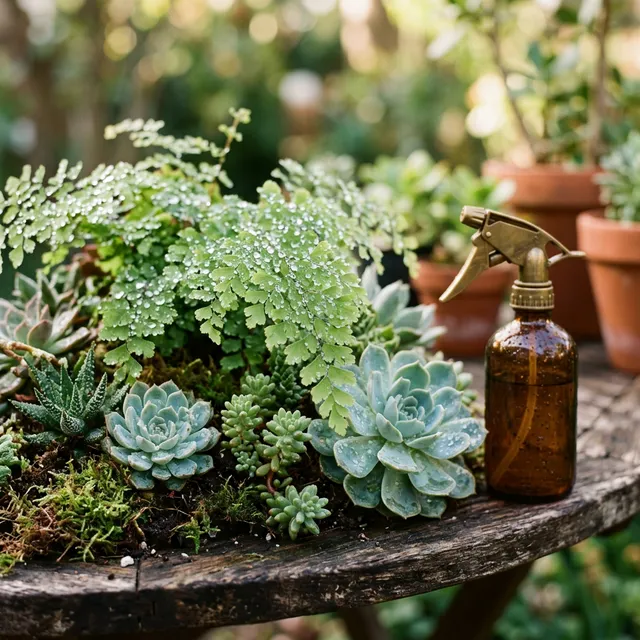
Insecticidal Soap for Indoor Plants
How to safely use insecticidal soap on houseplants without damaging delicate leaves. Indoor-specific tips for aphids, mealybugs, fungus gnats, and spider mites.
guidesInsecticidal Soap Plant Safety Guide
Insecticidal soap is gentle — but not on every plant. Learn which plants are sensitive, how to protect them, and safe application tips.
 guides
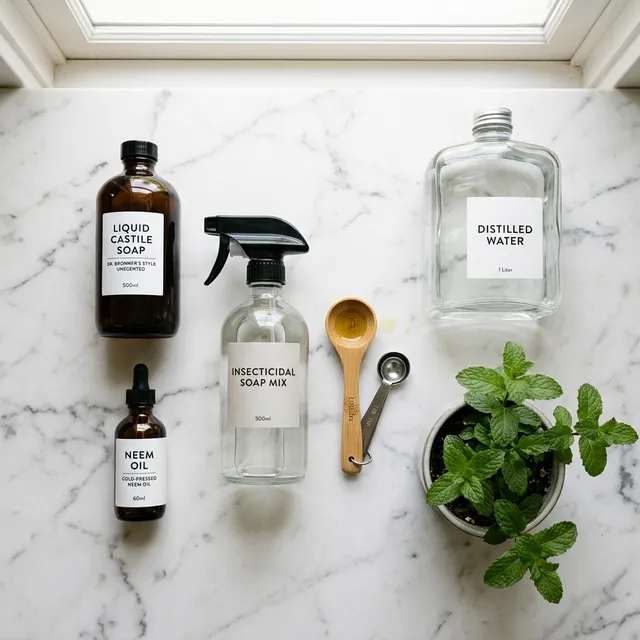
How to Make Insecticidal Soap at Home
Core 3-ingredient method: 1 tablespoon unscented castile per quart, leaf-underside coverage, and the mixing mistakes that burn plants.