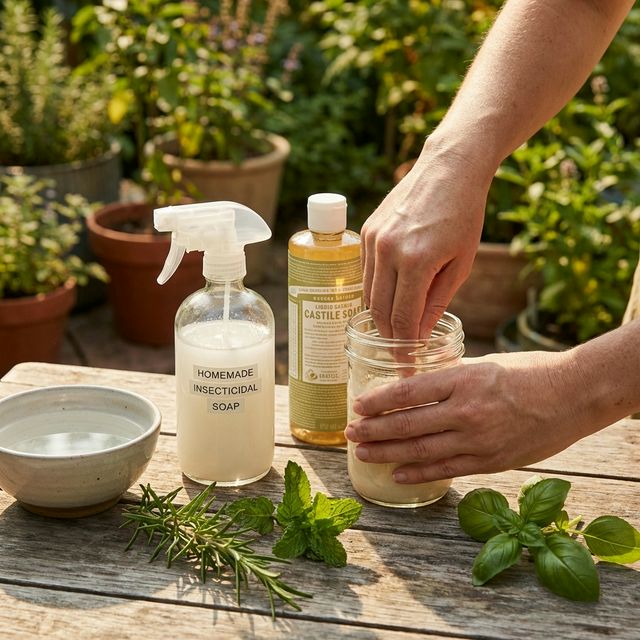
Homemade
Insecticidal Soap
Protect your garden and your family with effective, chemical-free sprays you can make in your own kitchen.
Start here
Already-published pages only. No new directories.
| Topic | Published page |
|---|---|
| DIY method | How to Make Insecticidal Soap at Home |
| Core recipe | Basic Castile Insecticidal Soap Spray |
| Buying notes | Best Insecticidal Soap: 5 Top Brands Compared |
| How soap works | What Is Insecticidal Soap and How Does It Work? |
| By pest | How to Get Rid of Aphids Naturally |
Latest From the Garden
View All Posts →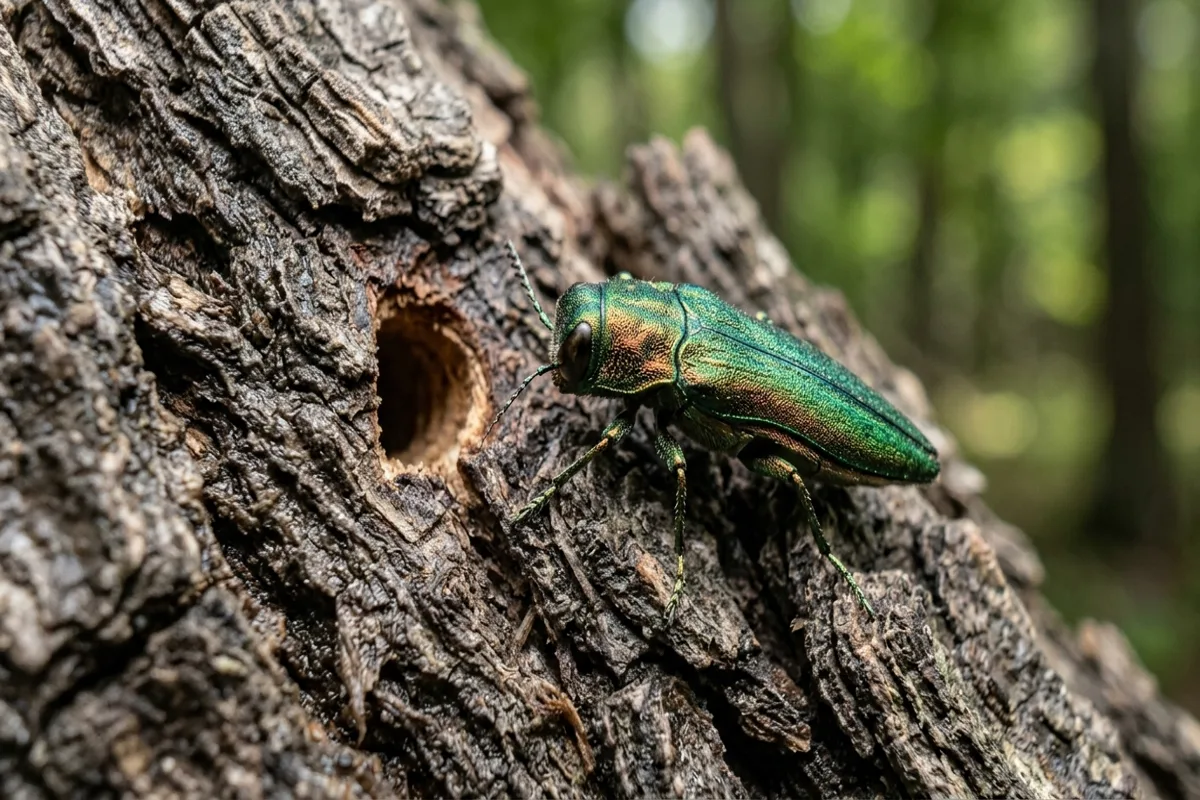 Guide
Guide Emerald Ash Borer Treatment: Where Soap Fits (and Doesn't)
Emerald ash borer is systemic-insecticide territory — trunk injections of emamectin benzoate per USDA and extension guidance. Here is the honest treat-vs-remove decision, and why a soap spray is not in it.
Read More →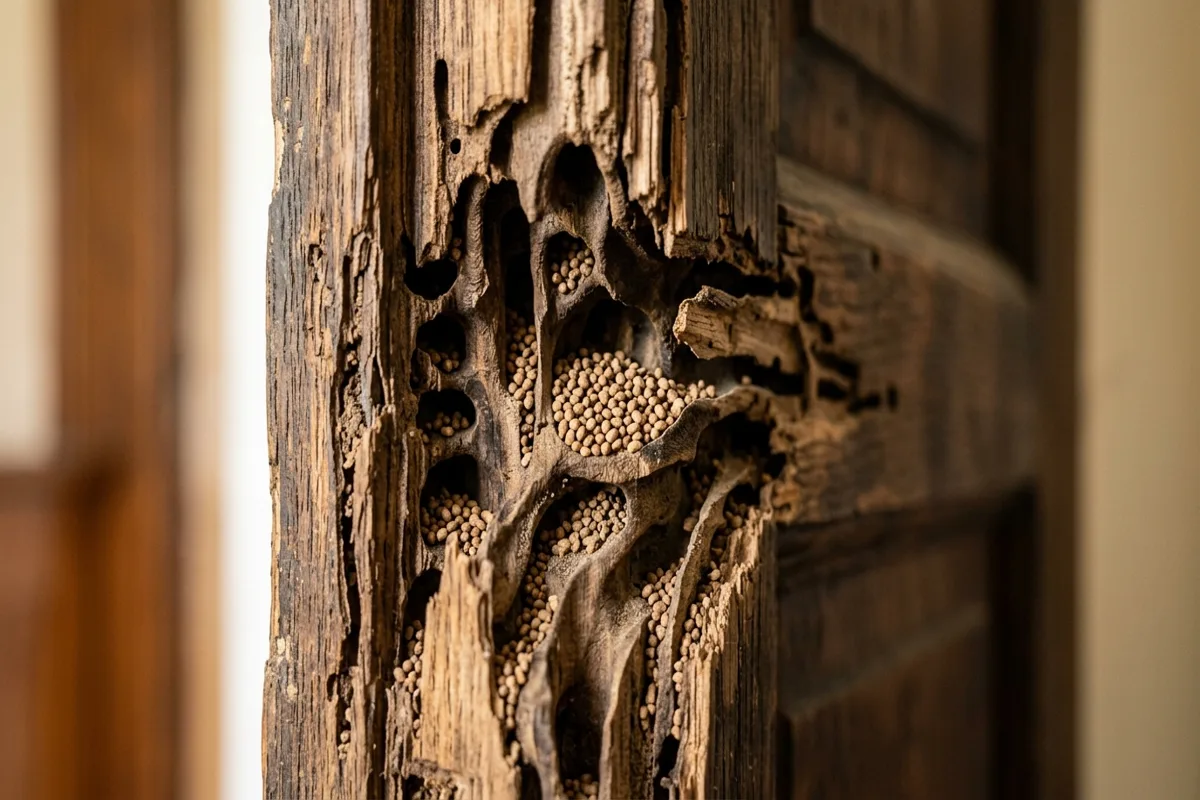 Guide
Guide Termite Spray vs Insecticidal Soap: What Actually Works
Insecticidal soap is a contact product for soft-bodied pests and does very little to a termite colony. Here is what extension sources say actually treats termites, and when a DIY spray is legitimate.
Read More →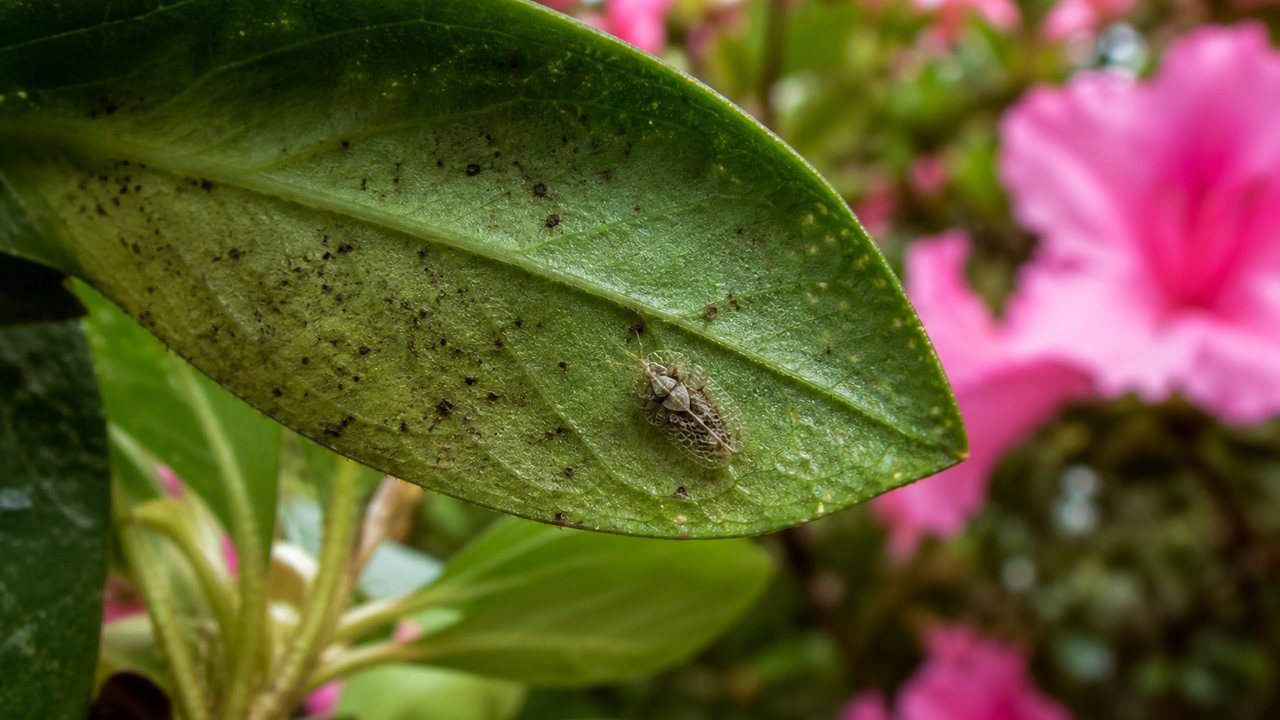 Guide
Guide Insecticidal Soap for Lace Bugs: Underside Spray Timing That Actually Works
Azalea lace bugs live on the leaf underside; boxwood hedges next to them usually have mites or leafminers. Soap only works if you wet that underside at first nymph hatch, then again in 7–10 days.
Read More →The Complete Guide to Homemade Insecticidal Soap
Garden pests can destroy months of hard work in a matter of days. While chemical pesticides offer a quick fix, they also kill beneficial pollinators, leave toxic residues on your vegetables, and leach into the soil. Homemade insecticidal soap is a highly effective, organic alternative that targets destructive pests while keeping your garden ecosystem safe and balanced.
How Does Insecticidal Soap Work?
Unlike chemical neurotoxins, insecticidal soap works through physical contact. When sprayed directly onto soft-bodied insects, the soap's fatty acids dissolve their outer waxy protective coating (cuticle). This causes the pests to rapidly dehydrate and suffocate. Because it works physically, pests cannot develop genetic resistance to soap sprays like they do with synthetic chemicals.
This treatment is highly effective against soft-bodied pests. Read our detailed guides to target specific issues:
- Aphids: Small, sap-sucking pests that cluster on new growth. Learn more in our guide on how to get rid of aphids naturally or using insecticidal soap for aphids.
- Spider Mites: Tiny arachnids that cause speckling. Read how to get rid of spider mites naturally and how to use insecticidal soap for spider mites.
- Whiteflies: Moth-like insects that hide under leaves. Read how to get rid of whiteflies and our targeted tips on insecticidal soap for whiteflies.
- Mealybugs: Cotton-like pests. See insecticidal soap for mealybugs.
- Thrips: Slender tissue-scraping insects. Learn more in insecticidal soap for thrips.
Soap vs. Detergent: The Golden Rule
CRITICAL WARNING: Never use modern dish soaps (like Dawn, Palmolive, or Joy) or laundry detergents for your garden sprays. These are chemical degreasers, not true soaps. They are designed to strip grease and will strip the protective waxy cuticle from your plants' leaves, leading to severe leaf scorch (phytotoxicity) and plant death. Always use pure soap, such as liquid Castile soap (made from olive or coconut oil). Check out our recommendations for the best soap for insecticidal spray and why you should avoid synthetic detergents in our Dawn dish soap spray warning.
The Classic DIY Insecticidal Soap Recipe
To mix a safe, standard batch of insecticidal spray, combine these ingredients in a clean spray bottle. We detail this further in our basic castile soap spray recipe and our comprehensive step-by-step on how to make insecticidal soap.
- 💧 1 quart of warm water (soft or distilled water works best)
- 🧴 1 tablespoon of pure liquid Castile soap (e.g., Dr. Bronner's Unscented)
- 🌻 1 teaspoon of vegetable oil (optional, acts as an emulsifier to help the spray stick to leaves)
For tougher infestations, gardeners often mix in neem oil. Compare options in neem oil insecticidal soap and read the breakdown of insecticidal soap vs. neem oil.
Comparing Garden Sprays: Which Should You Use?
| Spray Type | Plant Safety | True Soap? | Pollinator Safe | Cost per Quart |
|---|---|---|---|---|
| Pure Castile Soap Spray (DIY) | High | Yes | Yes (when dry) | ~$0.15 |
| Commercial Soap (e.g. Safer) | High | Yes | Yes (when dry) | ~$4.00+ |
| Dish Detergent Spray (Dawn) | Low (Risk of Scorch) | No | No | ~$0.05 |
How to Apply Safely in Your Garden
To avoid damaging your plants and maximize pest control, follow these application rules (see our full guide on plants sensitive to insecticidal soap for details):
- Perform a Spot Test: Spray a single leaf on a few plants and wait 24 to 48 hours. If the leaf shows signs of spotting, browning, or wilting, dilute the mixture further or try a different soap.
- Avoid Direct Sunlight & Heat: Never spray plants during the heat of the day or when temperatures exceed 85°F (29°C). The combination of wet soap and hot sun will scorch the foliage. Spray in the early morning or late evening. Review our instructions on when to spray insecticidal soap.
- Target Pests Directly: Insecticidal soap has no residual effect. It only kills the pests it directly contacts while wet. Be sure to spray the undersides of leaves where pests like whiteflies and mites prefer to hide.
- Rinse Sensitive Plants: If you are spraying sensitive herbs or vegetables (like tomatoes, beans, or peas), rinse the leaves with clean water 2 to 3 hours after application. This washes away any soap residue while still eliminating the pests.
Frequently Asked Questions
Is homemade insecticidal soap safe for all plants?
No. Some plants with hairy/fuzzy leaves, thin waxy cuticles, or delicate foliage can easily get burned. We list these sensitive varieties in our plants sensitive to insecticidal soap guide.
Can I use Dawn dish soap for making insecticidal soap?
We strongly recommend using true organic soaps (like liquid Castile) rather than dish detergents. Detergents contain chemical degreasers that strip a plant's cuticle, making them highly prone to sun damage and dehydration.
Does insecticidal soap harm bees or ladybugs?
It can kill any insect it coats directly while wet (including beneficial insects). However, once the spray dries completely, it has no residual effect. To protect pollinators, only spray in the early morning or evening when bees are not active.
How often should I apply the spray?
Spray once every 5 to 7 days to disrupt the pest breeding cycle. If it rains shortly after spraying, you will need to reapply since it washes off easily.