Insecticidal Soap for Mealybugs
Garden Soap Team
· 8 min read
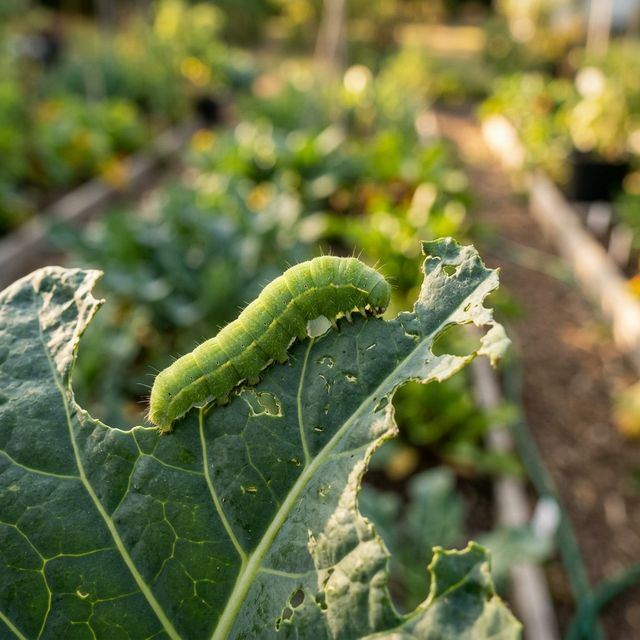
The Garden Soap Team unique angle here is wax versus cotton versus roots. Soft-bodied does not mean easy. A mealybug wears a water-shedding coat, hides the next generation in a cottony sac, and can leave the leaf for the pot. Generic listicles prescribe “spray with insecticidal soap.” This page splits the jobs: swab what you can see, wet the crawlers, and skip foliar DIY when the infestation is underground. The 3-ingredient mix stays on how to make insecticidal soap. More keepers live on the guides hub; mechanism pages live on the learn hub.
Insecticidal soap is still the right contact tool for exposed mealybugs. It is the wrong only-tool for egg sacs and root colonies. On houseplants, contain overspray with the bathtub method in the indoor soap guide.
Cluster siblings so you do not copy the wrong clock: spider mites (stipple and webbing), thrips (fast, slender, virus risk), scale insects (fixed bumps; honeydew without cotton is often soft scale), tomatoes (greenhouse mealybugs show up on fruiting plants too).
Identifying mealybugs
What they look like:
- White, cottony masses in leaf axils and on stems
- Oval insects about 2–5 mm under white, waxy filaments
- Slow movement when probed — not the motionless bump of scale
Damage and clues:
- Sticky honeydew on leaves and the furniture below
- Black sooty mold on that honeydew
- Yellowing, wilt, stalled new growth
- Ants farming the colony
- Cotton at joints, undersides, and the soil line
Where they hide: Leaf axils, pot rims, root crowns, unfurling leaves, underside veins. A “clean” canopy with cotton under the pot rim is not a win.
If the bumps scrape off and do not look fluffy, read scale insects before you soak the plant in alcohol.
Mix ratios as research, not a lab claim
Extension soap rates for soft-bodied pests cluster near 1% (about 1 tablespoon unscented liquid castile per quart). Alcohol in this recipe is a wax solvent on contact, not a university-certified “mealybug lab rate.” Stay inside this window and patch-test.
| Job | Research starting mix | Skip when |
|---|---|---|
| Exposed adults and crawlers | 1 tablespoon unscented castile + 1 quart water | Host is already burned from a prior pass |
| Wax-heavy colonies | Same soap rate + 1 tablespoon 70% isopropyl per quart | Ferns, succulents, fuzzy herbs, heat-stressed leaves |
| Spot swab | Undiluted 70% isopropyl on a cotton swab, then a full 1% soap spray | You cannot isolate the plant from finishes and pets until dry |
| Root wash (not a foliar spray) | 1 tablespoon soap per gallon as a rinse/soak after unpotting | You have not confirmed white residue on roots |
Dr. Bronner’s Unscented is the usual true-soap listing. The combo card is rubbing alcohol insecticidal soap. Do not pour leftover mix into a neem jug and call it a systemics.
Research price ranges (desk snapshot bands, not offers):
- Unscented castile, 8–32 oz: about $8–18
- 70% isopropyl, pint to quart: about $3–8
- Labeled insecticidal soap RTU: about $7–15
- Replacement houseplant (what you are actually protecting): often $8–40; specimen plants run higher
Spending another RTU on a $10 ivy that is seeding a $40 collection is the reverse of the honest trade.
Swab first, spray second
For houseplants and small outdoor starts, a swab beats a mist that pearls off wax:
- Dip a swab in 70% isopropyl.
- Touch each visible mealybug and each cottony sac you can reach.
- Wipe residue so it does not sit in the axil.
- Follow with a full 1% soap spray to wet crawlers you did not see.
The swab is not optional flavor. It is how you treat insects a spray would shed.
Spray schedule (crawlers, not hope)
| Week | Action | Why |
|---|---|---|
| 1 | Swab + full spray | Adults and nymphs you can wet |
| 1.5 | Second full spray | Newly hatched crawlers |
| 2 | Third spray + unpot check | Root mealybugs hide the “cure” |
| 3 | Fourth spray | Late emergers from leftover sacs |
| 4–6 | Weekly scout + spot swab | Survivors restart the cotton |
Egg sacs can hold hundreds of eggs. Some hatch on a 2–3 week stagger. Four wettings is a minimum when cotton was present, not a personality trait.
Root mealybugs are a different page
Root mealybugs feed on roots. Foliar DIY soap does not commute into the pot.
Signs: White, waxy deposits on roots or the soil surface; decline with “correct” watering; pale, slow growth; cotton visible only after you unpot.
Desk sequence:
- Unpot and shake off old mix.
- Wash roots under running water.
- Soak in a dilute soap bath (1 tablespoon per gallon) for about 15 minutes — research-style wash, not a 2% foliar rate on roots.
- Repot in fresh, sterile mix. Wash the pot.
- A neem drench is an optional follow-up for the medium, not a reason to skip the wash. Search listings: cold-pressed neem oil concentrate.
If white residue returns on roots after that sequence, stop soaping the leaves. Discard.
When to skip a DIY spray
- Cotton is at the soil line or on roots. Buy a new pot and mix, or discard. Do not fog the canopy and call it done.
- One cheap plant sits beside a collection. Isolation or trash beats six weeks of spray theater.
- You only have dish detergent. That is a leaf-burn listing, not a wax-breaker. Read best soap for insecticidal spray.
- The plant is a succulent or fuzzy host and you were about to copy the alcohol quart onto the whole plant. Swab only, or skip.
- Honeydew is present but there is no cotton. Check scale before you schedule a mealybug month.
- Greenhouse tomatoes with a light, exposed colony can use the 1% mix in cool hours — but if fruit and flowers are the only wettable surfaces you can reach, you will miss axils. See tomatoes for heat and edible-crop limits.
Garden Soap Team desk note
“Mealybug killer” listings sell a bottle. They do not sell crawler timing, swab work, or a discard rule. Garden Soap Team checks:
- Wax language. If the label is only “kills on contact,” assume you still need saturation and a swab. Contact is true; coverage is the work.
- True soap vs detergent. Unscented castile or potassium-salt concentrate. The Associates tag on this site is
soapgarden06-20only. - Alcohol percent. 70% isopropyl is the household bottle this recipe assumes. Do not substitute unknown “cleaning vinegar” mixes.
- Systemics last. A drench listing that names imidacloprid for houseplant mealybugs is a pollinator-and-label question, not a first click from this desk.
- This page is not a storefront. No Product, Offer, or star schema. Cost figures above are research ranges.
Prevention that actually cuts recurrences: quarantine new plants 2–3 weeks, control ants, clean shears, and do not overwater a pot you have already had root mealybugs in. Sticky honeydew without cotton still belongs on the scale page. Stipple-plus-webbing belongs on spider mites. Fast silver streaks belong on thrips.
Frequently Asked Questions
Does insecticidal soap kill mealybugs? ▼
It kills mealybugs the film can saturate — exposed adults and crawlers. Cottony egg sacs and insects tucked in leaf axils shed a light mist. Alcohol on a swab plus a full wet spray is the desk method, not a stronger Amazon title.
How do you get rid of mealybugs permanently? ▼
You do not get one-spray permanence. Plan 4–6 weeks: swab visible insects, soap-spray crawlers every 5 days, and unpot if cotton shows at the soil line. Quarantine houseplants. If roots stay white after a wash-and-repot, discard the plant.
Why are mealybugs so hard to kill? ▼
Wax sheds water. Females park 200–600 eggs in cotton. Crawlers hide in axils, pot rims, and sometimes the root ball. A foliar DIY spray never reaches root mealybugs. That is a soil and discard problem, not a mixing problem.
 ✓
✓ The Garden Soap Team writes every recipe and guide on this site. Formulas follow published horticultural guidance — university extension resources, the UC IPM program, and OMRI standards — and we cross-check concentrations and plant-safety warnings against documented gardener experience before publishing. No harsh chemicals, no guesswork passed off as expertise.
📚 Related Articles
 guides
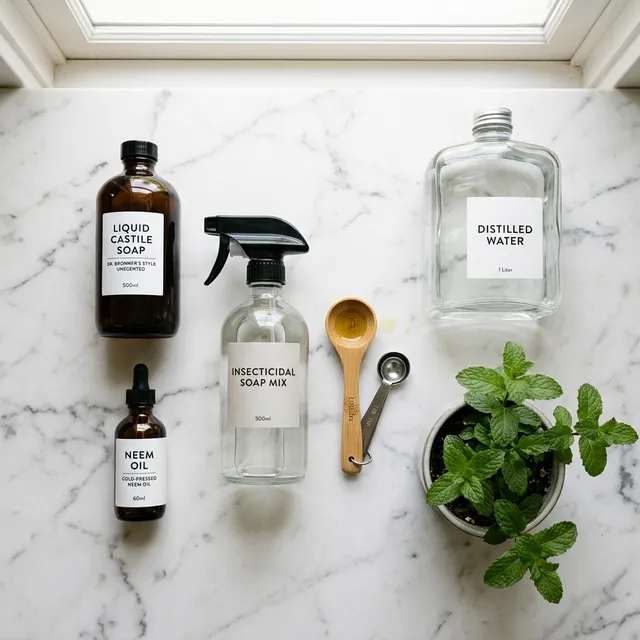
How to Make Insecticidal Soap at Home
Core 3-ingredient method: 1 tablespoon unscented castile per quart, leaf-underside coverage, and the mixing mistakes that burn plants.
 guides
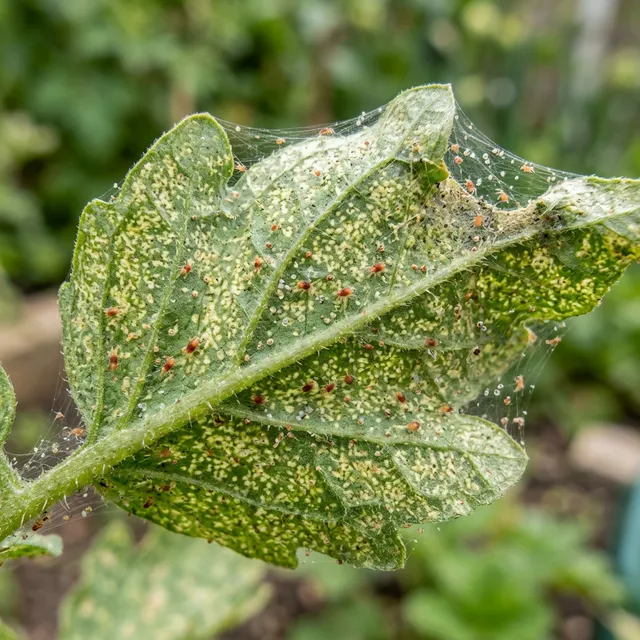
Insecticidal Soap for Spider Mites
Spider mites are tiny, destructive, and multiply fast. Insecticidal soap is your best organic defense. Here's exactly how to use it.
 guides
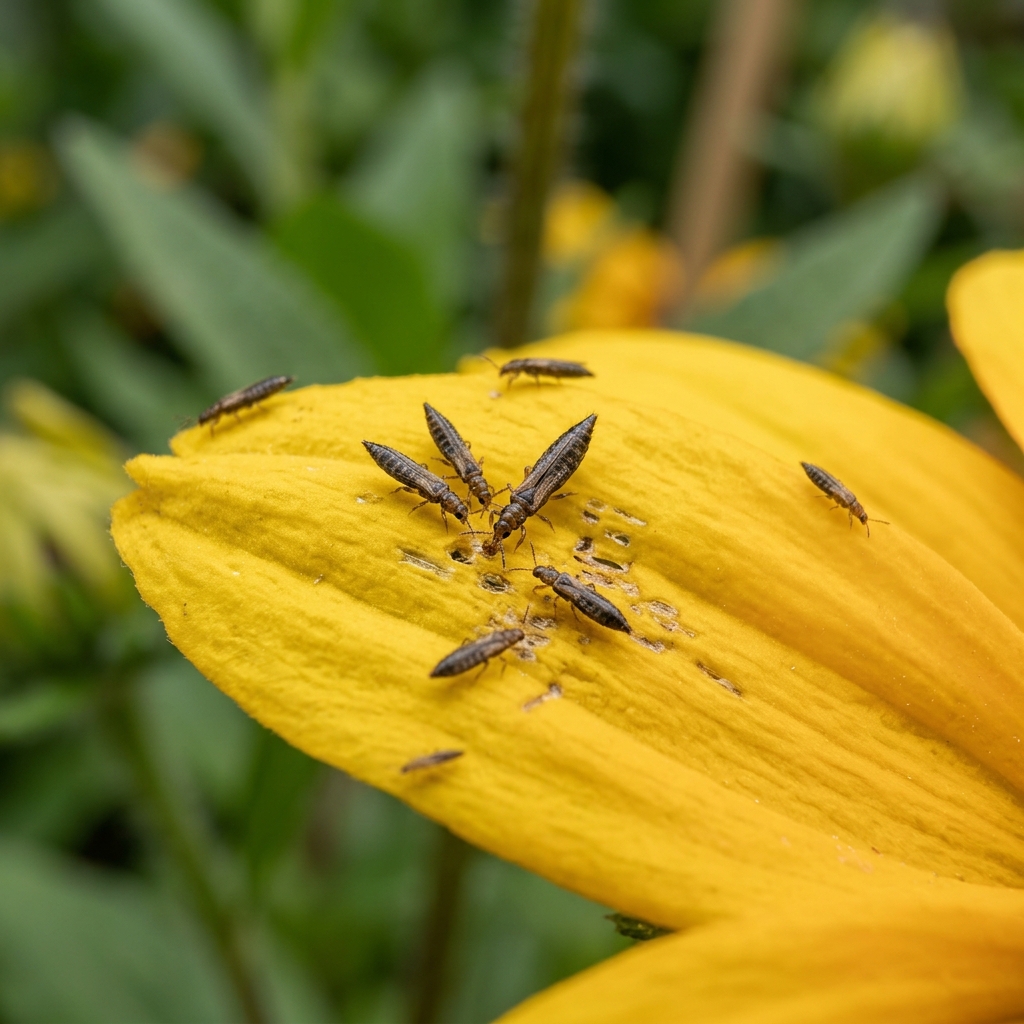
Insecticidal Soap for Thrips
Thrips are tiny, fast-moving pests that damage leaves and spread plant viruses. Insecticidal soap can control them, but timing and technique are critical.