Insecticidal Soap for Tomatoes
Garden Soap Team
· 8 min read
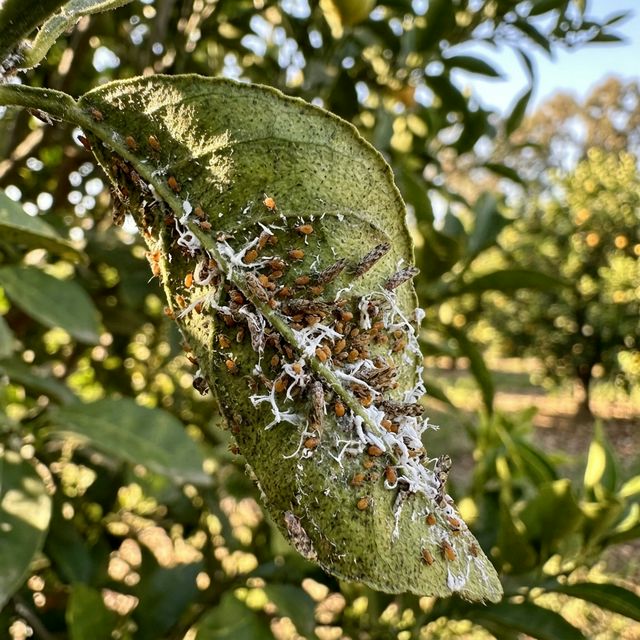
The Garden Soap Team unique angle on tomatoes is a pest filter plus heat. This crop collects every generic “spray your garden” recipe on the internet. Soap is right for a short list of soft-bodied pests on foliage that is not already cooked. It is wrong for hornworms, hard shells, calcium disorders, and 95°F afternoons. Mix steps stay on how to make insecticidal soap. Hubs: guides and learn.
Insecticidal soap earns its keep on tomatoes because a true fatty-acid film is a contact tool with no useful residual and — when the soap is actually soap — nothing systemic in the fruit. That is a rinse-and-eat story, not a “chemical-free miracle” story.
Stage-honest siblings: spider mites in hot dry spells, thrips when TSWV is on the table, mealybugs in greenhouses, scale insects on the occasional indoor or greenhouse plant.
Pest filter: soap vs skip
Soap can treat (if you wet them)
Aphids. Green peach and potato aphids on new growth and undersides. Virus risk if colonies run. Standard 1% castile spray. Detail: insecticidal soap for aphids. Pruned suckers can become tomato-leaf soap — that is a separate recipe, not a reason to soap a clean plant.
Whiteflies. Sweetpotato whitefly on undersides; a shake that lifts a white cloud. Underside coverage. Whitefly keeper.
Spider mites. Stipple, bronze, fine webbing in heat. Soap plus water and humidity — not a hotter mix. Mite keeper.
Flea beetles. Shot-holes. Contact can kill a beetle that is still there at dawn. They jump. Row cover is the better first tool.
Thrips. Inside flowers; virus vector. Soap is partial. Read thrips before you treat a mottled plant as “needs more spray.”
Mealybugs / soft scale (greenhouse). Possible on indoor or hoop-house tomatoes. Wax and crawler rules still apply: mealybugs, scale.
Skip soap
| Problem | Why soap is the wrong SKU | Better move |
|---|---|---|
| Tomato hornworm | Too large; thick cuticle | Hand-pick; Bt on small larvae |
| Colorado potato beetle adults | Hard shell | Hand-pick; labeled spinosad if you go that far |
| Stink bugs | Shield | Hand-pick; trap crop |
| Cutworms | Soil larvae | Collars; food-grade DE (DE guide) |
| Blossom-end rot | Not a pest | Watering consistency; calcium is a soil story |
| TSWV / spotted wilt | Virus | Pull the plant — see thrips |
Mix ratios as research, not a lab claim
Tomato foliage in midsummer is a burn host. The desk starting rate is 1 tablespoon unscented liquid castile per quart (~1%). Heat-season drops that toward 2 teaspoons per quart. Those are extension-style starting points, not a tomato-lab titration.
| Condition | Research starting rate | Rule |
|---|---|---|
| Cool morning, unwilted plants, soft-bodied pests | 1 tablespoon / quart (~1%) | Default |
| Days regularly above ~85°F | 2 teaspoons / quart; spray only while air is still cool | Rinse after 1–2 hours if the day will spike |
| Optional residual | 1 teaspoon cold-pressed neem / quart | Not a hornworm product; skip on wilted leaves |
| Dish detergent | Do not | Dawn recipe is a last-resort page, not a food-crop default |
True soap listing used on this cluster: Dr. Bronner’s Unscented. Neem as a tagged search (no mystery concentrate ASIN): cold-pressed neem oil concentrate.
Research price ranges (snapshot bands, not Offer markup):
- Unscented castile: about $8–18 — many quarts
- Labeled vegetable-garden soap RTU: about $7–15
- Labeled concentrate: about $10–16
- Bt for caterpillars (when soap is the wrong tool): about $8–16
- Row-cover fabric: about $12–25
Buying a second “tomato spray” RTU that is just soap will not pick a hornworm.
How to spray tomatoes without cooking them
Scout (every few days): lower undersides, tips, flower clusters, stippled older leaves.
Aim: undersides, joints, new growth. Fruit does not need a bath.
Clock:
| Window | Action |
|---|---|
| After transplant | Inspect; spray only if pests are present |
| Weekly in season | Scout; spot-treat |
| Peak heat | Mites and whiteflies; lighter mix, earlier clock |
| Cooler September | Back off preventative soaping |
Do not soak plants at noon. Timing detail: when to spray insecticidal soap. Burn list: plant safety.
Food safety, without a storefront claim
- Labeled insecticidal soaps used on edibles typically carry a zero-day pre-harvest interval. A homemade castile film is a rinse-off surface mix — harvest the same day is common practice, then wash at the sink.
- True soap is not a systemic in the fruit.
- OMRI language belongs to labeled products. Homemade castile is “plain soap,” not an organic certificate.
- Dawn-type detergents add surfactants you do not want as a food-crop habit.
When to skip a DIY spray
- The pest is a hornworm, beetle, stink bug, or cutworm. Pick it or use the tool in the table. More castile is theater.
- Leaves are already wilted or the forecast is a 90°F+ afternoon. Wait for a cool morning or skip. Heat plus soap is phytotoxicity.
- Rings, unexplained wilt, and thrips. That can be TSWV. Pull the plant. Do not “treat the virus” with soap.
- Blossom-end rot. Buy water discipline, not a bottle.
- You only have dish soap. Read the detergent caveats; use castile or a labeled potassium-salt product from the buying guide.
- You cannot wet undersides on a tall, dense cage. A downward bottle will not do mite or whitefly work. Upgrade hardware (garden sprayers) or skip the fake pass.
Garden Soap Team desk note
“Best spray for tomato bugs” listings mix soap, neem, Bt, and spinosad in one carousel. Garden Soap Team checks:
- Active ingredient. Potassium salts of fatty acids or unscented castile = this page. Bacillus thuringiensis = caterpillars, not aphids. Spinosad = a different label and bee-timing problem.
- True soap on food. Selection: best soap for insecticidal spray. Homemade vs a labeled bottle: homemade vs commercial.
- Heat language. If the listing never says “do not spray in high heat,” write that constraint in yourself.
- Associates tag.
soapgarden06-20only. No Product, Offer, or AggregateOffer schema. Prices above are research ranges. - This page is a crop filter, not a five-star roundup.
Integrated habits that cut soap days: basil and alyssum for beneficials, straw mulch (mites hate even moisture), rotate the bed, remove heavily infested leaves, water at the soil line. Natural vegetable-garden tools stay in that order: identify, then contact soap, then a pest-specific product — not the other way around.
| Season | Usual pressure | Soap? |
|---|---|---|
| Transplant spring | Flea beetles, cutworms | Rarely; covers and collars first |
| Early summer | Aphids | Yes, if colonies appear |
| Midsummer | Whiteflies, mites, hornworms | Soap for the first two in cool hours; pick hornworms |
| Late summer | Stink bugs on fruit | No |
| Fall cleanup | Debris | Sanitation, not a farewell spray |
Frequently Asked Questions
Is insecticidal soap safe for tomato plants? ▼
At about 1% on unwilted foliage, in cool hours, tomatoes usually tolerate a true soap. Heat above the mid-80s plus a “standard” mix is how leaves burn. Zero-day harvest language applies to labeled potassium-salt soaps and to a plain castile film you rinse off — not to dish detergent.
Will insecticidal soap harm tomato fruit? ▼
A true soap film is a surface residue you rinse. It is not a systemic in the fruit. Skip Dawn-type detergents on food. Do not soak fruit “just in case”; spray the pests, then rinse at the sink.
What bugs does insecticidal soap kill on tomatoes? ▼
Soft-bodied suckers you can wet: aphids, whiteflies, spider mites, and some flea beetles if you catch them still. Not hornworms, not adult Colorado potato beetles, not stink bugs, not cutworms, not blossom-end rot.
 ✓
✓ The Garden Soap Team writes every recipe and guide on this site. Formulas follow published horticultural guidance — university extension resources, the UC IPM program, and OMRI standards — and we cross-check concentrations and plant-safety warnings against documented gardener experience before publishing. No harsh chemicals, no guesswork passed off as expertise.
📚 Related Articles
 guides
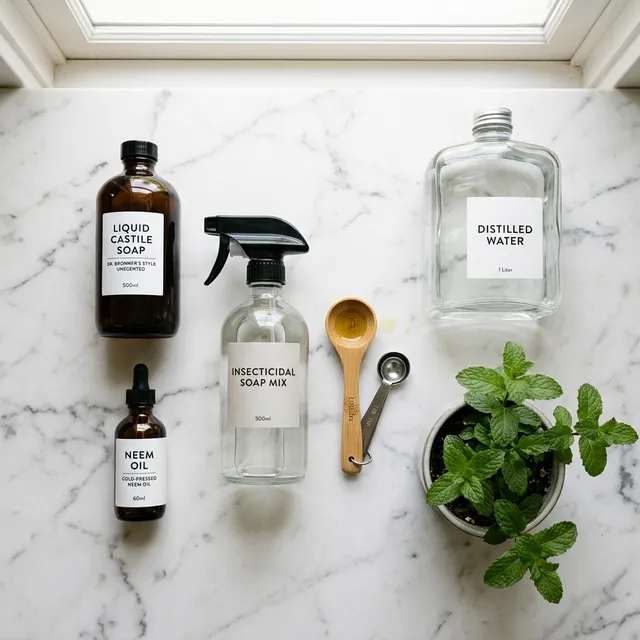
How to Make Insecticidal Soap at Home
Core 3-ingredient method: 1 tablespoon unscented castile per quart, leaf-underside coverage, and the mixing mistakes that burn plants.
 guides
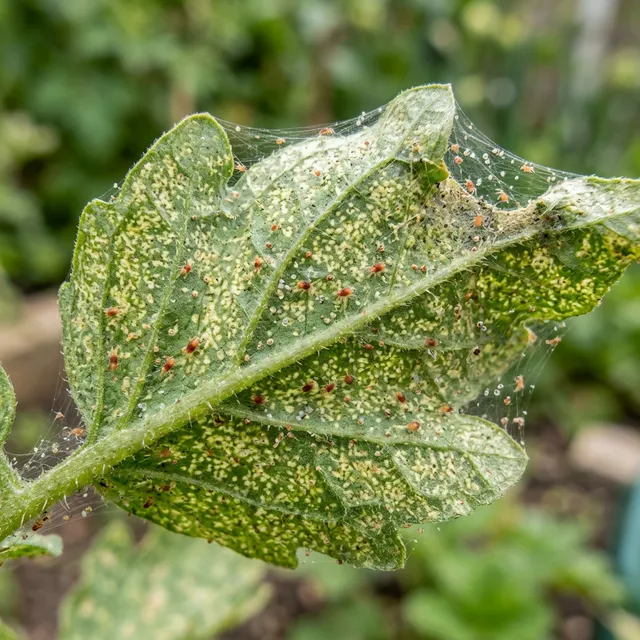
Insecticidal Soap for Spider Mites
Spider mites are tiny, destructive, and multiply fast. Insecticidal soap is your best organic defense. Here's exactly how to use it.
 guides
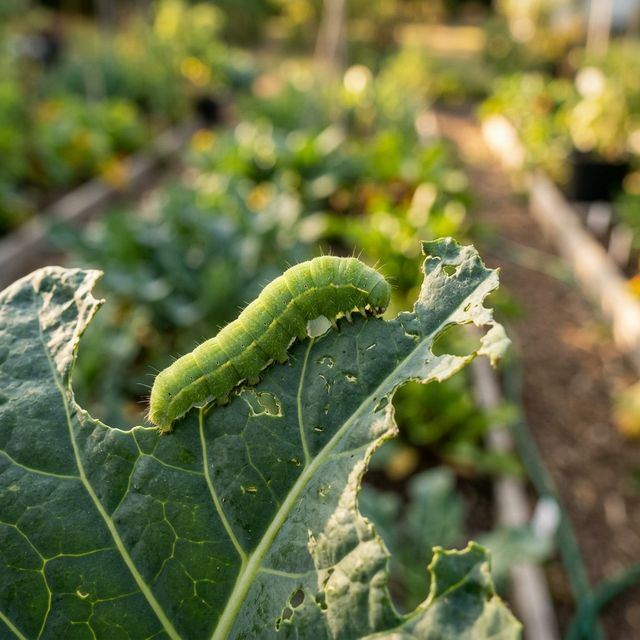
Insecticidal Soap for Mealybugs
Mealybugs are one of the toughest soft-bodied pests to eliminate. Their waxy coating resists plain water, but insecticidal soap breaks through. Here's how.