Insecticidal Soap Buying Guide: Everything You Need
Garden Soap Team
· 8 min read
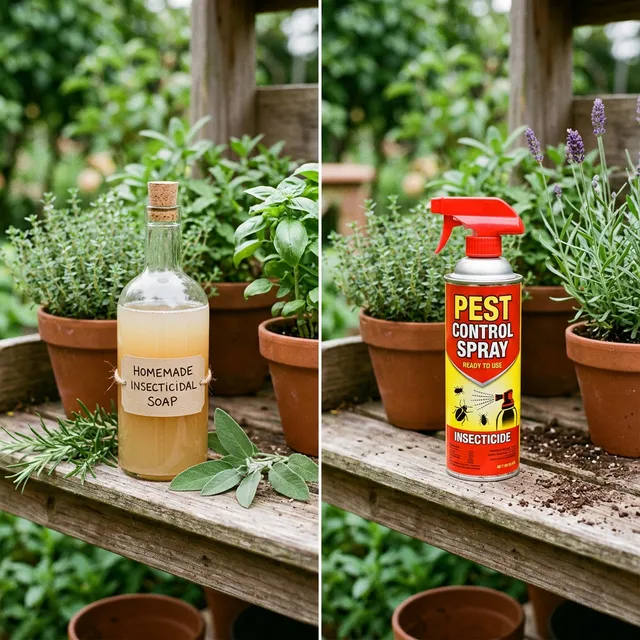
What You Need: The Complete Shopping List
Whether you’re battling aphids, spider mites, or whiteflies, here’s everything you need for a full season of organic pest control.
Garden Soap Team buying notes
Shop the chemistry and the water first. The Amazon links below are convenience, not a requirement to spend.
- When DIY is enough: Most home gardens need three things — unscented liquid castile, a dedicated sprayer, and soft water. Skip a ready-to-use insecticidal soap unless you have one or two houseplants and want zero mixing.
- Soft water vs hard water: Distilled or rainwater is part of the shopping list, not a footnote. Hard tap water locks up fatty acids and leaves white film. If you will not buy distilled water, a commercial concentrate is the more forgiving spend.
- Plant sensitivity: Buy unscented soap and a sprayer with a true fine mist. Coarse jets dump too much soap on succulents, ferns, and indoor foliage. Patch-test any new bottle, DIY or commercial.
- Concentration: Budget for 1 tablespoon of castile per quart (about 1%). A 32 oz castile bottle is a season of spray, not a season of concentrate sitting in the shed. Mix what you will use that day.
The Essentials (Minimum Required)
1. Pure Liquid Castile Soap
This is the active ingredient in homemade insecticidal soap. The soap’s potassium salts of fatty acids dissolve pest cell membranes on contact.
Our recommendation: Dr. Bronner’s Baby Unscented Castile Soap (32 oz) →
Why this one:
- Pure castile soap with no synthetic additives
- Unscented means no essential oils that could burn plant leaves
- 32 oz makes approximately 30-60 quarts of spray
- Cost per quart of spray: approximately $0.25
- Available at most grocery stores and online
What to avoid: Scented castile soap, dish detergent, hand soap, body wash. See our detailed soap selection guide.
2. Spray Bottle or Pump Sprayer
| Garden Size | Best Sprayer | Why |
|---|---|---|
| 1-10 houseplants | 32 oz trigger sprayer | Precise, easy to use |
| Small garden (10-30 plants) | 1-gallon pump sprayer | Better coverage, less fatigue |
| Large garden (30+ plants) | 2-gallon backpack sprayer | Maximum efficiency |
See our full spray bottle guide and garden sprayer guide for specific recommendations.
3. Water
Distilled water or rainwater gives the best results. Hard tap water contains minerals that react with soap, reducing effectiveness and leaving white residue on leaves.
Upgrades (Optional but Recommended)
Neem Oil
Neem oil provides residual pest protection that soap alone can’t offer. After soap spray dries, it has zero residual effect. Neem continues working for 2-3 days.
Our recommendation: Harris Neem Oil Cold Pressed →
How to use: Add 1 teaspoon per quart to your soap spray recipe.
Rubbing Alcohol (70% Isopropyl)
Essential for treating mealybugs and scale insects. Alcohol dissolves waxy coatings that soap alone can’t penetrate.
Available at any pharmacy. Use 70% concentration only. See our rubbing alcohol soap spray recipe.
Vegetable Oil
Adding 1 teaspoon of vegetable oil per quart helps the spray stick to plant surfaces longer, improving contact time with pests. Any cooking oil works: canola, corn, sunflower, or soybean.
Yellow Sticky Traps
Trap and monitor flying pests (aphids, whiteflies, fungus gnats). Place near affected plants for early detection and population reduction.
Cost Comparison: Homemade vs Commercial
| Item | Homemade Cost | Equivalent Commercial Cost |
|---|---|---|
| 1 quart insecticidal soap | $0.20-0.40 | $3-5 (ready-to-use) |
| 1 gallon | $0.80-1.60 | $12-20 |
| Full season (20 applications) | $4-8 | $60-100 |
| Startup kit (soap + sprayer) | $17-25 | N/A |
| Annual savings | — | $50-90 |
When to Buy Commercial Instead
Commercial insecticidal soap concentrates make sense in certain situations:
- Precise consistency required (professional use)
- Emergency treatment when you need to spray immediately
- Very small scale (1-2 houseplants, once or twice)
- Convenience factor (no mixing, grab-and-spray)
Our recommended commercial option: Safer Brand Insect Killing Soap Concentrate →
See our full commercial insecticidal soap comparison. Kitchen mix vs labeled bottle — same chemistry, different spend — is homemade vs commercial insecticidal soap.
The Complete Starter Kit
Here’s what we recommend for a gardener starting from zero:
| Item | Cost | Lasts |
|---|---|---|
| Dr. Bronner’s Castile Soap (32 oz) | ~$13 | Full season (30-60 quarts) |
| 1-gallon pump sprayer | ~$18 | 5-10 years |
| Distilled water (1 gallon) | ~$1.50 | 4 quarts of spray |
| Neem oil (16 oz) | ~$12 | Full season |
| Yellow sticky traps (12-pack) | ~$7 | 2-3 months |
| Total | ~$52 | Full season of pest control |
Compare that to hiring a pest control service ($100-200 per visit) or buying multiple commercial products throughout the season ($60-100+).
How to use the kit you just bought
Buying the bottle is the cheap part. Coverage is the job.
- Mix the same day. 1 tablespoon unscented liquid castile per quart of distilled or rainwater (~1%). Soap into the sprayer first, then water, then a gentle swirl. The recipe card is basic castile soap spray; the long method is how to make insecticidal soap.
- Patch-test. Two leaves, 24–48 hours, on any new species or a stressed transplant.
- Wet the undersides. Aphids, whiteflies, and mites live where a casual top-spray misses. Coat until dripping, then move on. A fine mist from a dedicated bottle beats a reused bleach sprayer.
- Time the pass. Early morning, or evening if the leaf can dry. Skip midday heat. The clock is on when to spray insecticidal soap.
- Repeat for the hatch. Every 4–7 days while you still see live pests. Dry film does nothing. Do not soap on a calendar after the colony is gone.
- Rinse the sprayer. Empty leftover mix. Fill with clean water, spray clear, store the bottle dedicated to soap.
Optional extras stay optional. Neem is a residual between soap passes, not a reason to skip undersides — soap vs neem. Alcohol is a swab aid for mealybugs and scale crawlers, not a second pesticide in every tank.
Pests this shopping list actually covers
The starter kit is built for soft-bodied, foliar pests:
- Castile + water: aphids, whiteflies, spider mites, thrips you can reach, young psyllids, lace-bug nymphs.
- Castile + alcohol (spot): exposed mealybugs and scale crawlers. Not armored adults.
- Castile + neem (optional): same contact kill, plus a few days of feeding disruption and some foliar fungus help.
- Sticky traps: flying adults (whiteflies, fungus gnats, winged aphids) for monitoring — not a substitute for underside soap.
Do not buy this kit expecting it to replace: Bt for cabbage worms and hornworms, spinosad for beetles that ignore soap, beer traps or DE for slugs, or a soil drench for root mealybugs. Those are different spend lines on best organic pesticides for vegetable gardens. Identify first: common garden pests.
Plants and rates that burn
The shopping list fails when the rate or the host is wrong — not when you picked the “wrong brand” of castile.
Leave off the foliar spray, or drop to ~0.5% after a patch test: succulents and cacti (farina), ferns, African violets, seedlings under two weeks, heat-stressed tomatoes, thin herbs. The desk list is plants sensitive to insecticidal soap.
Phytotoxicity tells: speckling or bronze within a day, crispy margins, sudden drop. Causes that show up in new kits:
- Hard tap water + soap (scum and white film) — distilled water is the fix, not a second soap
- Scented castile (peppermint, tea tree) on thin leaves
- Coarse jet dumping a puddle on one leaf
- Midday spray above the mid-80s °F
- Stacking soap + neem + oil + alcohol in one tank “to be sure”
If a leaf looks tired, rinse after 1–2 hours. More plant-safety detail: insecticidal soap plant safety.
When the commercial SKU is the smarter buy
Most home gardens should spend on unscented castile, a dedicated sprayer, and soft water. Buy a labeled concentrate when one of these is true:
- You will not buy distilled water and your tap is hard
- You want a printed ornamental/edible rate instead of a kitchen tablespoon
- You need grab-and-spray tonight and the castile is still on a truck
- You spray a large bed weekly and want potassium-salt consistency without re-measuring from a 32 oz jug each time
The bottle we point at for that case is Safer Brand Insect Killing Soap Concentrate. Brand-by-brand RTU vs concentrate is best insecticidal soaps. Kitchen chemistry vs that label is homemade vs commercial. Castile vs Dawn is best soap for insecticidal spray.
Do not buy a second RTU because the first pass missed undersides. That is a sprayer and timing problem.
Ready to Start?
- First time? Read How to Make Insecticidal Soap for the full tutorial
- Know what pest you have? Try our pest identification guide
- Not sure which recipe? Start with the Basic Castile Soap Spray
- Worried about plant damage? Read our plant safety guide
Pets, rain, and leftover mix
Pets and children. Fatty-acid soaps are contact tools, not residual poisons. Keep kids and pets off the foliage until it is dry. Do not let a dog drink from the tank. Rinse produce as usual.
Rain. A shower washes the film off before it finishes the job. Wait for a dry window of a few hours; respray if you got rained out the same morning. You do not need 48 hours of sun — you need the droplet to hit the pest and dry on that leaf.
Leftover dilution. Dump it. Mixed soap is not shelf-stable. Unopened concentrate and a sealed castile jug are the things that keep. Shelf-life detail: does homemade insecticidal soap expire.
Do not tank-mix soap with an untested herbicide, a metal fungicide, or a mystery “all-in-one” unless the label of that product says so. Soap + a measured neem dose is a known kitchen combo; soap + spinosad + pyrethrin is how leaves cook.
Frequently Asked Questions
What do I need to buy to make insecticidal soap? ▼
Just three things: pure liquid castile soap ($12-15, makes 30-60 quarts of spray), a spray bottle or pump sprayer ($5-30), and distilled water ($1-2 per gallon). Total startup cost is under $20 for a full season of pest control.
Is it cheaper to make insecticidal soap or buy it? ▼
Much cheaper to make your own. A bottle of castile soap makes 30-60 quarts of spray at roughly $0.20-0.40 per quart. Commercial ready-to-use insecticidal soap costs $3-5 per quart. Over a season, homemade saves $50-100.
What is the best castile soap for insecticidal spray? ▼
Dr. Bronner's Baby Unscented Pure-Castile Liquid Soap is the most widely recommended. It contains no fragrances, dyes, or synthetic ingredients that could harm plants. Any pure liquid castile soap works; just avoid scented varieties.
 ✓
✓ The Garden Soap Team writes every recipe and guide on this site. Formulas follow published horticultural guidance — university extension resources, the UC IPM program, and OMRI standards — and we cross-check concentrations and plant-safety warnings against documented gardener experience before publishing. No harsh chemicals, no guesswork passed off as expertise.
📚 Related Articles
 guides
Best Insecticidal Soap: 5 Top Brands Compared
Safer concentrate vs RTU bottles: when kitchen castile is enough, when hard water argues for a labeled mix, and which format ships water.
guidesBest Soap for Insecticidal Spray (and What to Avoid)
True castile vs dish detergent: unscented liquid soap at 1 tablespoon per quart. Dawn and “ultra” bottles strip leaf wax.
guidesHomemade vs Commercial Insecticidal Soap
Same fatty-acid chemistry, different spend: kitchen castile vs a labeled concentrate. When mixing wins, and when a store bottle is backup.