Insecticidal Soap for Fungus Gnats
Garden Soap Team
· 8 min read
The Problem with Fungus Gnats
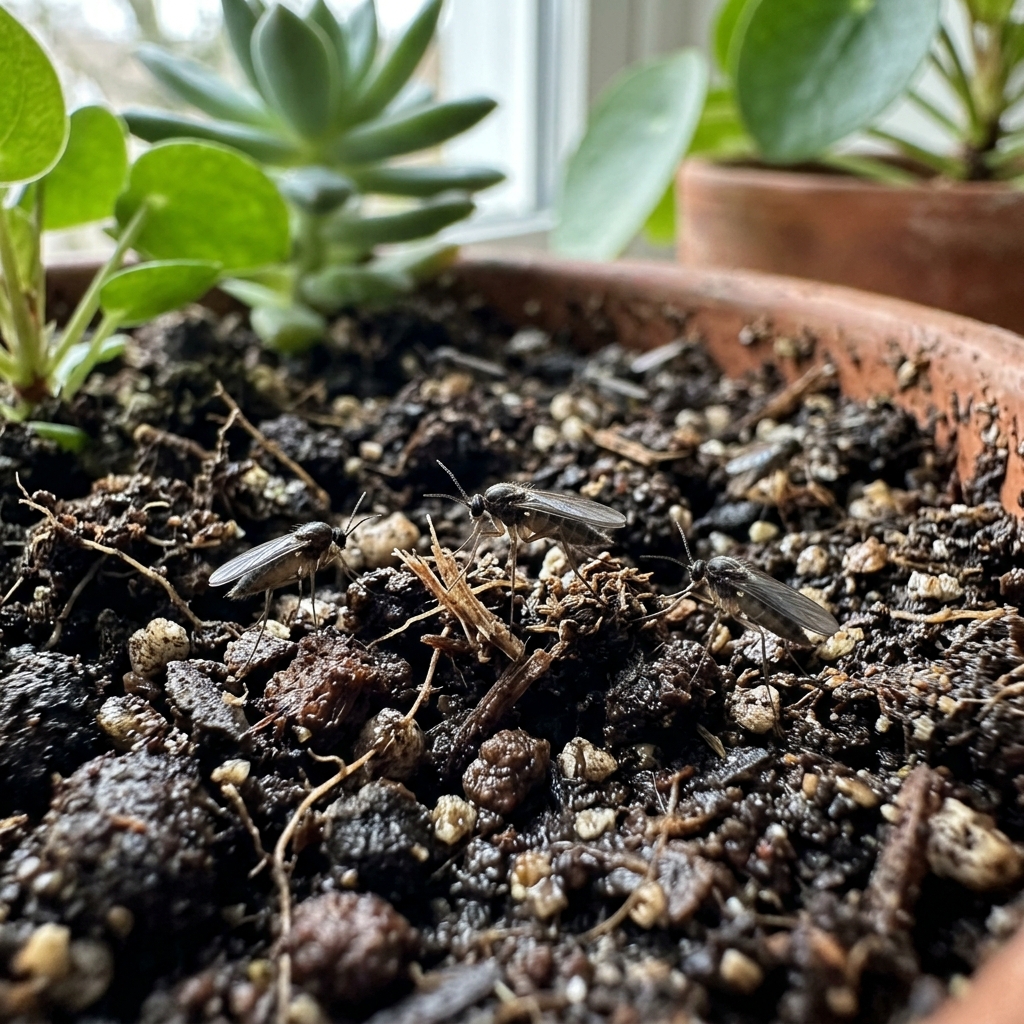
Fungus gnats (Bradysia spp.) are the most common pest complaint among houseplant owners. The tiny black flies buzzing around your plants are annoying, but the real damage comes from their larvae feeding on roots in the soil.
Here’s the challenge: insecticidal soap works by disrupting cell membranes on contact. It kills adult gnats that you spray directly, but the larvae live in soil where a topical spray can’t reach them. Controlling fungus gnats requires attacking both life stages with different tools.
Understanding the Fungus Gnat Life Cycle
| Stage | Location | Duration | Vulnerable to Soap? |
|---|---|---|---|
| Egg | Top 1/2 inch of soil | 3-6 days | No |
| Larva | In soil, near roots | 12-14 days | No (underground) |
| Pupa | In soil | 3-5 days | No |
| Adult | Flying, on soil surface | 7-10 days | Yes (on contact) |
Total cycle: about 3-4 weeks. Adults lay 200+ eggs per female. This means even a few adults can create a continuous infestation cycle.
The Complete Fungus Gnat Treatment Strategy
Effective control requires a 3-pronged approach:
Prong 1: Kill Adults with Soap Spray + Sticky Traps
Place yellow sticky traps in the soil surface of every affected pot. These catch flying adults before they can lay more eggs.
For adults you see on plants:
- Mix 1 tablespoon castile soap per quart of water
- Spray directly onto adult gnats resting on leaves or soil surface
- Mist the top of the soil to catch adults that are laying eggs
Prong 2: Kill Larvae with Soil Drenches
This is the critical step that soap spray alone can’t handle:
Option A: Hydrogen Peroxide Drench
- Mix 1 part 3% hydrogen peroxide with 4 parts water
- Pour through the soil as a normal watering
- The fizzing action kills larvae on contact
- Safe for plants; actually adds oxygen to roots
- Repeat weekly for 3 weeks
- For ratios and leaf-safe mixing, use the hydrogen peroxide soap spray recipe as your measuring guide.
Option B: Neem Oil Soil Drench
- Mix 1 teaspoon cold-pressed neem oil concentrate + 1/2 teaspoon castile soap per quart of warm water
- Water the soil with this mixture
- Neem’s azadirachtin disrupts larval development
- Repeat every 7-10 days for 3 applications
Option C: Bacillus thuringiensis israelensis (BTi)
- BTi is a biological larvicide specifically targeting gnat and mosquito larvae
- Available as granules — search Mosquito Bits / BTi granules rather than a random ASIN — that you sprinkle on soil
- Completely safe for plants, pets, and people
- The single most effective treatment for persistent infestations
Prong 3: Eliminate Favorable Conditions
The easiest and most important step:
- Let soil dry between waterings. Allow the top 1-2 inches to dry before watering again. Fungus gnats can only lay eggs in moist soil.
- Remove standing water. Empty saucers within 30 minutes of watering.
- Top-dress with sand or gravel. A 1/2 inch layer of coarse sand on the soil surface prevents adults from reaching the soil to lay eggs.
- Remove debris. Dead leaves on soil surface feed the fungus that larvae eat.
- Use well-draining soil. Amend heavy potting mixes with perlite to improve drainage.
Common Mistakes
Mistake 1: Spraying only the adults Killing adult gnats is satisfying but doesn’t solve the problem. The larvae in the soil will produce the next generation in 2-3 weeks. You must treat the soil.
Mistake 2: Overwatering as compensation People sometimes increase watering to “flush” the gnats out. This makes the problem dramatically worse because it creates wetter soil where gnats thrive.
Mistake 3: Treating one plant If you have multiple houseplants in the same room, fungus gnats are likely in all of them. Treat every pot simultaneously. Use the isolation steps in how to use insecticidal soap on indoor plants so you do not move adults from pot to pot.
When to Repot
For severe infestations, repotting may be the fastest solution:
- Remove the plant from its pot
- Shake off as much old soil as possible
- Rinse roots under gentle running water
- Repot in fresh, sterile potting mix with added perlite
- Top-dress with sand or decorative gravel
- Do not water for 2-3 days (let soil dry)
- Place yellow sticky traps to catch any remaining adults
Fungus Gnats vs Fruit Flies
| Feature | Fungus Gnats | Fruit Flies |
|---|---|---|
| Body shape | Mosquito-like, slender | Rounder, stocky |
| Size | 2-3mm | 3-4mm |
| Color | Dark gray/black | Tan/brown with red eyes |
| Where they hover | Around plant soil | Around fruit, drains, trash |
| Larvae location | In potting soil | In rotting organic matter |
| Treatment | Soil drench + traps | Remove food sources |
If your flies are hovering around the kitchen counter rather than your plants, you have fruit flies, not fungus gnats. Different problem, different solution.
Prevention
- Bottom-water plants by placing pots in saucers of water and letting soil absorb from below. This keeps the top layer dry.
- Monitor moisture with a finger test before watering. If the top inch is still moist, wait.
- Sterilize potting mix by baking at 180°F for 30 minutes if you suspect contamination
- Inspect new plants before bringing them home; check soil for tiny larvae
- Improve drainage with perlite, pumice, or orchid bark mixed into soil
Garden Soap Team buying notes
Fungus gnats are a soil and moisture problem. Another RTU soap bottle does not reach larvae.
- When DIY is enough: Dry the top inch, empty saucers, and soap the adults you can see. Buy BTi granules or a neem drench when larvae keep hatching after two dry-down cycles — not a second foliar soap.
- Soft water vs hard water: Foliar soap and neem drenches fail in hard tap water. Distilled water is cheaper than a “stronger” oil.
- Plant sensitivity: Indoor cuticles are thin. Keep foliar soap at 1 tablespoon per quart. Do not pour leftover foliar mix through the soil “to be sure.”
- Concentration: Foliar soap ~1%. Neem drench: 1 teaspoon oil + 1/2 teaspoon castile per quart. BTi: the printed granule rate. More product does not replace a dry top inch.
How to use soap, drench, and traps together
Treat this as three tools on one clock, not three brands of the same spray.
- Sticky traps first. Put yellow sticky traps at the soil line in every pot in the room. They catch egg-laying adults and tell you if the cycle is actually breaking.
- Soap the adults you can wet. 1 tablespoon unscented castile per quart. Mist leaves and the soil surface. Kitchen card: basic castile. Indoor mess rules: insecticidal soap for indoor plants.
- Drench for larvae the same week. Pick one: peroxide (1:4 of 3% to water), neem drench, or BTi. Do not stack all three in one watering.
- Dry-down between waterings. The top 1–2 inches must dry. This is the control. The bottles are helpers.
- Repeat 3 weeks. The cycle is ~3–4 weeks. One satisfying adult spray is a pause, not a finish.
Combo foliar card if you also have mites or mealybugs on the same plant: neem oil insecticidal soap. Soap vs oil roles: insecticidal soap vs neem oil.
Life stages soap misses (what to buy instead)
| Stage | Soap foliar | What actually reaches it |
|---|---|---|
| Flying adult | Yes, on contact | Soap + yellow traps |
| Adult on soil laying eggs | Maybe, if you mist the surface | Traps + dry top inch |
| Egg / pupa in mix | No | Time + dry-down |
| Larva on roots | No | BTi, neem drench, or peroxide drench |
Buy BTi when the infestation is persistent and you want a larva-specific tool. Buy neem concentrate when the same plant also needs foliar residual (mites, mildew). Buy peroxide when you already have 3% in the cabinet and need a same-day soil contact kill. Do not buy a second potassium-salt RTU because the first pass missed the soil.
Fruit flies on the counter are a kitchen problem, not a reason to drench every pot.
Plants, soil, and phytotoxicity indoors
Indoor plants already run thinner cuticles. Gnat treatments fail when the soil stays wet and when the leaf gets a garden-strength mix.
- Foliar soap at outdoor 2% on a low-light fern, calathea, or African violet is how leaves bronze. Stay at 1 tablespoon per quart. Host list: plants sensitive to insecticidal soap.
- Neem oil poured on foliage in a sunny window cooks. Drench the soil; if you foliar-oil, do it at dawn and patch-test.
- Peroxide stronger than 1:4 of 3% is not a faster gnat kill — it is a root burn. Do not use hair-bleach strength.
- Soap dumped into the saucer does not treat larvae and can stress roots. Soap is a contact film on insects you can wet.
- Soggy decorative cachepots keep the mix anaerobic. Empty them. Gnats are a moisture meter you can see.
If a leaf spots after a pass, rinse, drop foliar rate, and keep the next treatment in the soil. Safety write-up: plant safety.
Buying criteria for gnat tools
Shop the life stage, not the “houseplant pest” tile.
- Castile for adults: unscented liquid. The bottle this desk uses in recipes is Dr. Bronner’s Unscented. Dish detergent is a leaf-wax stripper — best soap for insecticidal spray.
- Traps: yellow, placed at soil level, replaced when they fill. A trap is a census, not a cure.
- BTi granules: labeled for fungus gnat / mosquito larvae. Sprinkle on soil; do not expect foliar soap to do this job.
- Neem: cold-pressed concentrate for a drench, not a mystery “3-in-1” RTU that is mostly water. Tagged search beats a rotting ASIN.
- Sprayer: a dedicated fine-mist bottle. Houseplant hardware: best spray bottles.
- Skip: a second RTU soap, a “gnat bomb” fogger, and any product that promises to end the cycle without drying the top inch.
Peroxide mixing detail lives on hydrogen peroxide soap spray — use that card for ratios, not as a leaf substitute for a soil drench.
Frequently Asked Questions
Does insecticidal soap kill fungus gnats? ▼
Insecticidal soap kills adult fungus gnats on contact but has limited effect on larvae living in soil. A complete fungus gnat treatment combines soap spray for adults with a neem oil soil drench or hydrogen peroxide drench for larvae. Sticky traps help catch flying adults.
What are the little flies around my houseplants? ▼
Small, dark-colored flies hovering around potted plant soil are almost certainly fungus gnats. They look like tiny mosquitoes and are attracted to moist soil where they lay eggs. They are different from fruit flies, which hover around food.
Will letting soil dry out kill fungus gnats? ▼
Letting the top 1-2 inches of soil dry between waterings kills many larvae and prevents egg laying, since fungus gnats only lay eggs in moist soil. This is the single most effective control method and should be your first step before any treatments.
 ✓
✓ The Garden Soap Team writes every recipe and guide on this site. Formulas follow published horticultural guidance — university extension resources, the UC IPM program, and OMRI standards — and we cross-check concentrations and plant-safety warnings against documented gardener experience before publishing. No harsh chemicals, no guesswork passed off as expertise.
📚 Related Articles
 guides
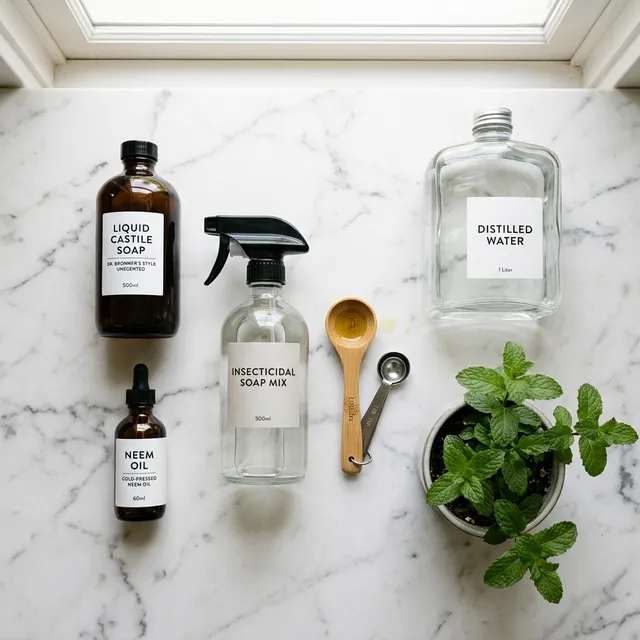
How to Make Insecticidal Soap at Home
Core 3-ingredient method: 1 tablespoon unscented castile per quart, leaf-underside coverage, and the mixing mistakes that burn plants.
 guides
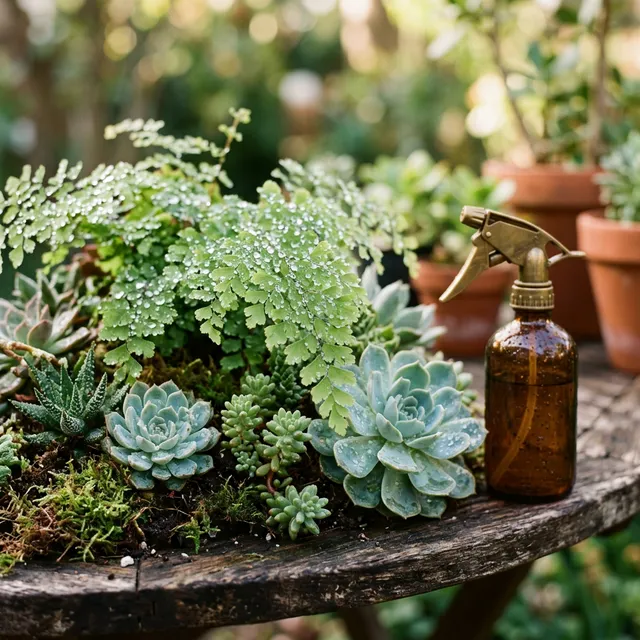
Insecticidal Soap for Indoor Plants
How to safely use insecticidal soap on houseplants without damaging delicate leaves. Indoor-specific tips for aphids, mealybugs, fungus gnats, and spider mites.
 recipes
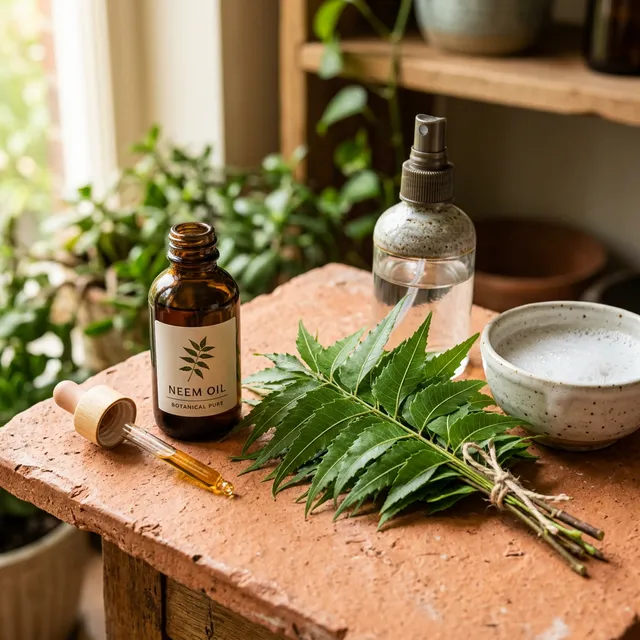
Neem Oil Insecticidal Soap Spray
Soap knocks pests down; neem adds a few days of feeding disruption. Mix ratios, evening timing, and when plain castile is still enough.