Best Soap for Insecticidal Spray (and What to Avoid)
Garden Soap Team
· Updated February 19, 2026 · 8 min read
Why Soap Choice Matters
The soap you choose for your insecticidal spray can mean the difference between healthy plants and burned, damaged foliage. Not all soaps are created equal, and some aren’t really “soap” at all.
True soap is made by combining fats or oils with an alkali (like potassium hydroxide). The resulting potassium salts of fatty acids are what actually kill insects. Synthetic detergents, on the other hand, contain chemicals that can strip the waxy coating from plant leaves, causing dehydration and sunburn.
Garden Soap Team buying notes
The buying decision is “true soap vs detergent,” not which Amazon bottle has the most reviews.
- When DIY is enough: If you can buy unscented liquid castile, you do not need a commercial insecticidal soap for aphids, whiteflies, or mites. Buy a labeled concentrate when you want potassium-salt consistency without measuring, or when hard tap water keeps wrecking kitchen mixes.
- Soft water vs hard water: Castile in hard water turns into scum and a white leaf film. Distilled or rainwater is cheaper than replacing a “failed” soap. Vinegar (1 teaspoon per quart) is a partial fix, not a substitute for soft water.
- Plant sensitivity: Unscented only. Peppermint or tea-tree castile adds essential oils that scorch ferns, succulents, and thin-leaved herbs. Patch-test 48 hours on new species.
- Concentration: 1–2 tablespoons of liquid castile per quart. Start at 1 tablespoon. More soap does not kill more pests; it burns more leaves. Commercial concentrates: follow the label, do not “boost.”
The Best Soaps for Insecticidal Spray
1. Pure Liquid Castile Soap ⭐ Top Pick
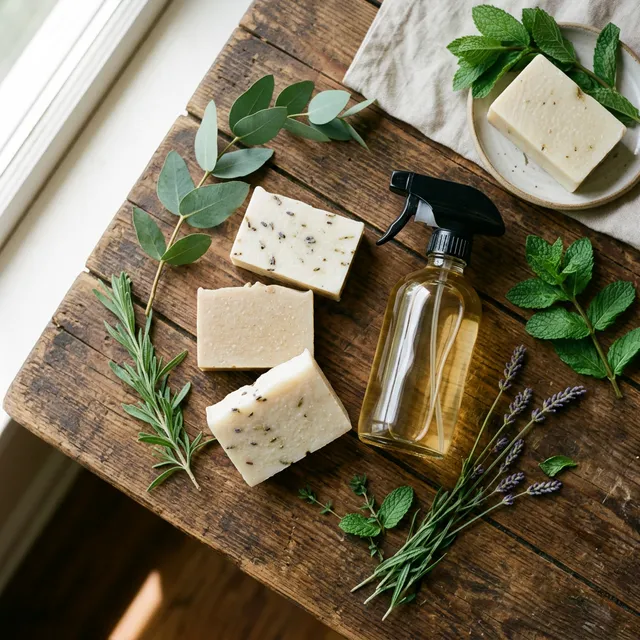
Castile soap is made from vegetable oils (traditionally olive oil) and is the gold standard for homemade insecticidal spray. Look for:
- Unscented varieties, essential oils in scented versions can irritate some plants
- Liquid form, easier to mix evenly than bar soap
- Organic certification, ensures no synthetic additives
Recommended: Dr. Bronner’s Unscented Baby-Mild Pure-Castile Liquid Soap
2. Insecticidal Soap Concentrates
Commercial insecticidal soap concentrates like Safer Brand Insect Killing Soap contain pre-measured potassium salts of fatty acids. They’re convenient but more expensive than DIY.
Pros: Tested formulations, consistent concentration
Cons: Cost adds up, often contain only one type of fatty acid
3. Pure Olive Oil Soap
If you can find pure olive oil soap (sometimes called Marseille soap), it works well grated and dissolved in warm water. The oleic acid in olive oil is effective against soft-bodied insects.
4. Coconut Oil-Based Soap
Coconut oil soaps produce lauric acid salts, which are particularly effective against certain pests. However, they can be slightly more drying to plants than olive oil-based soaps.
Soaps to Avoid
❌ Dish Soap (Dawn, Ajax, Palmolive)
Despite countless blog posts recommending dish soap, it’s one of the worst choices:
- Contains synthetic detergents (sodium lauryl sulfate) that strip plant wax
- Fragrances and dyes can irritate plant tissue
- Degreasers are designed to cut oil, including the protective oils on leaves
- May contain antibacterial agents that harm beneficial soil organisms
❌ Laundry Detergent
Even worse than dish soap. Laundry detergents contain:
- Optical brighteners
- Enzymes that break down organic matter
- High pH levels that damage plant cells
❌ Hand Soap with Moisturizers
Liquid hand soaps often contain synthetic moisturizers, parabens, and fragrances that leave residue on plants and can attract rather than repel pests.
❌ Antibacterial Soap
Contains triclosan or similar compounds that can harm beneficial insects and soil microorganisms.
How to Test Your Soap
Before spraying your entire garden, always do a patch test:
- Mix your soap solution at the intended concentration
- Spray 2-3 leaves on one plant
- Wait 48 hours
- Check for yellowing, browning, or wilting
- If no damage appears, proceed with full application
This is especially important for sensitive plants like ferns, new seedlings, and certain herbs.
The Right Concentration
| Soap Type | Amount per Quart | Amount per Gallon |
|---|---|---|
| Liquid castile soap | 1-2 tbsp | 4-8 tbsp |
| Grated bar soap | 1 tbsp | 4 tbsp |
| Commercial concentrate | Follow label | Follow label |
💡 Tip: Start with the lower concentration and increase only if needed. More soap ≠ more effective. Beyond 2% concentration, you risk phytotoxicity (plant damage). Check our plant sensitivity guide before spraying unfamiliar species.
Soft Water vs. Hard Water
Hard water contains minerals (calcium, magnesium) that react with soap to form insoluble salts, the same stuff that creates bathtub rings. These salts:
- Reduce the effectiveness of your spray
- Leave white residue on leaves
- Can clog spray bottle nozzles
Solution: Use distilled water or rainwater for best results. If using tap water, add 1 teaspoon of white vinegar per quart to soften it slightly.
How to mix and apply true soap
Once the bottle is actually castile, the mix is boring on purpose.
- Rate. 1 tablespoon unscented liquid castile per quart (~1%). Start there. 2 tablespoons per quart is the top of the common window, not a weekend experiment. Sensitive hosts: ½ tablespoon per quart after a patch test.
- Order. Soap in a dedicated sprayer, then distilled or rainwater. Swirl. Foam means you shook it.
- Patch-test. Two leaves, 24–48 hours. Especially on anything in the sensitive-plant list.
- Coverage. Undersides until dripping. Aphids and mites do not live on the pretty side of the leaf.
- Clock. Early morning, or evening if the leaf can dry. Recheck every 4–7 days while you still see live pests. Daypart notes: when to spray.
- Same day. Dump leftover dilution. The sealed jug keeps; the tank does not. Shelf life.
The long write-up is how to make insecticidal soap. The short card is basic castile soap spray. Commercial concentrate rates stay on the label — best insecticidal soaps.
Pests castile covers (and what it misses)
True soap is a contact film for soft-bodied pests you can wet:
- Works when you hit them: aphids, whiteflies, spider mites, mealybug crawlers, reachable thrips, young psyllids, lace-bug nymphs.
- Needs a second move: mealybug wax and cotton (swab + alcohol recipe), scale crawlers (not armored adults).
- Wrong tool: Japanese beetles, squash bug adults, cabbage worms, slugs. Those are Bt, spinosad, or hand-pick jobs, not a hotter castile mix.
Pest-stage pages: aphids, whiteflies, mites, mealybugs. If Dawn “worked” on a porch once, that was detergent burn plus a small colony — not a reason to skip true soap.
Castile does not become neem. For residual or foliar fungus, add a measured neem mix or read soap vs neem. Do not pour peppermint castile hoping the scent is a second pesticide.
Plants that fail the wrong bottle
The usual burn is not “castile is harsh.” It is the wrong bottle or the wrong host.
Wrong bottle: Dawn and other dish detergents, “ultra” degreasers, antibacterial hand soap, laundry, moisturizing wash, peppermint or tea-tree castile. Those strip leaf wax or add oils the plant did not ask for. If Dawn is all that is under the sink, the honest caveats are on Dawn dish soap insecticidal spray — it is a last resort, not a recommendation.
Wrong host, even with unscented castile: succulents and cacti (farina), ferns, African violets, seedlings under two weeks, heat-stressed tomatoes and thin herbs. Half-rate or skip foliar and use a swab. Full notes: plant safety.
Phytotoxicity tells: bronze or yellow patches in 24 hours, crispy margins, sudden drop. Fix the rate, the water, and the time of day before you switch brands of the same fatty acids.
Buying criteria on a castile label
Shop the ingredients line, not the “garden-safe” burst on the front.
- True soap: saponified oils (olive, coconut, hemp, palm kernel) + water. Potassium hydroxide in the process is normal; leftover detergent surfactants are not.
- Unscented / baby-mild: no peppermint, tea tree, lavender, or citrus oils in the tank.
- Liquid, not bar, for mixing. Bars dissolve unevenly and clog nozzles. A bar is a backup, not the default.
- No “ultra,” no antibacterial, no moisturizer. Those words are detergent or lotion, not insecticidal soap.
- Hard water plan: distilled water on the receipt, or a labeled commercial concentrate that tolerates municipal water. Vinegar is a partial soften, not a magic fix.
- When to skip DIY: you want a printed EPA-labeled rate, you refuse to haul distilled water, or you need grab-and-spray tonight. That bottle is a commercial concentrate, not a second scented castile. Spend comparison: homemade vs commercial. Kit math: buying guide.
A $12 unscented jug that makes dozens of quarts beats a $15 RTU that ships water — if you will actually mix 1%.
Bottom Line
Use pure liquid castile soap, specifically the unscented variety. It’s affordable, widely available, effective against common garden pests, and safe for most plants. Skip the dish soap shortcuts; they’ll cost you more in damaged plants than they save in convenience. If you’d rather buy pre-made, see our best insecticidal soaps buyer’s guide.
Ready to mix? Try our Basic Castile Insecticidal Soap Spray recipe, it takes less than 5 minutes. Or if Dawn is all you have on hand, here’s our Dawn dish soap insecticidal spray recipe (with honest caveats).
Frequently Asked Questions
Can I use bar soap instead of liquid? Technically yes, but liquid castile soap dissolves much more evenly. If you grate bar soap, you risk uneven concentration and clogged spray nozzles. For consistent results, stick with liquid.
Does the scent of castile soap matter? Use unscented. Peppermint or lavender castile soap varieties contain essential oils that can damage sensitive plant leaves. The fragrance adds unnecessary risk without improving pest control effectiveness.
How much soap per gallon of water? Use 2.5 to 5 tablespoons of pure liquid castile soap per gallon (1 to 2 tablespoons per quart). Start at the lower end and increase only if needed. More soap does not kill more pests but does increase the chance of leaf burn.
Frequently Asked Questions
Can I use Dawn dish soap as insecticidal soap? ▼
Dawn contains degreasers and fragrances that can damage plant leaves. Pure castile soap is a much safer choice because it's made from plant-based oils without synthetic additives.
Is Dr. Bronner's castile soap safe for plants? ▼
Yes, unscented Dr. Bronner's Pure-Castile Liquid Soap is one of the best choices for homemade insecticidal soap. It's made from organic oils and contains no synthetic detergents.
What concentration of soap should I use? ▼
Use 1-2 tablespoons of pure liquid castile soap per quart of water. Higher concentrations risk burning plant leaves, especially in hot weather.
 ✓
✓ The Garden Soap Team writes every recipe and guide on this site. Formulas follow published horticultural guidance — university extension resources, the UC IPM program, and OMRI standards — and we cross-check concentrations and plant-safety warnings against documented gardener experience before publishing. No harsh chemicals, no guesswork passed off as expertise.
📚 Related Articles
 guides
How to Make Insecticidal Soap at Home
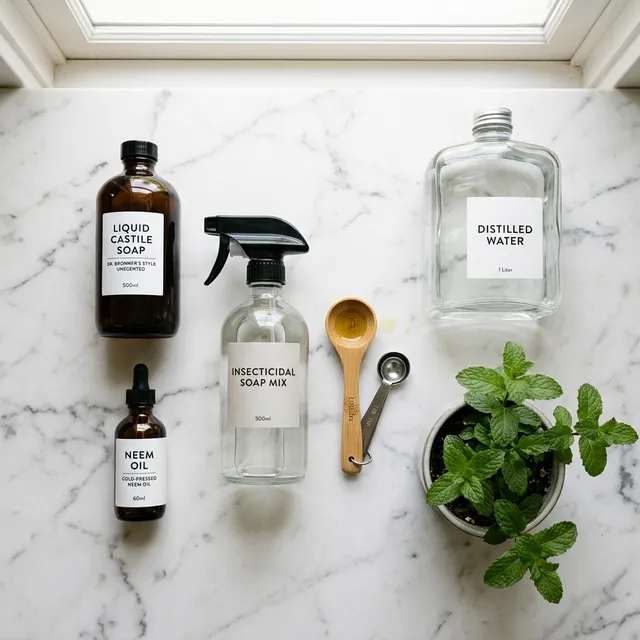
Core 3-ingredient method: 1 tablespoon unscented castile per quart, leaf-underside coverage, and the mixing mistakes that burn plants.
 guides
Homemade vs Commercial Insecticidal Soap
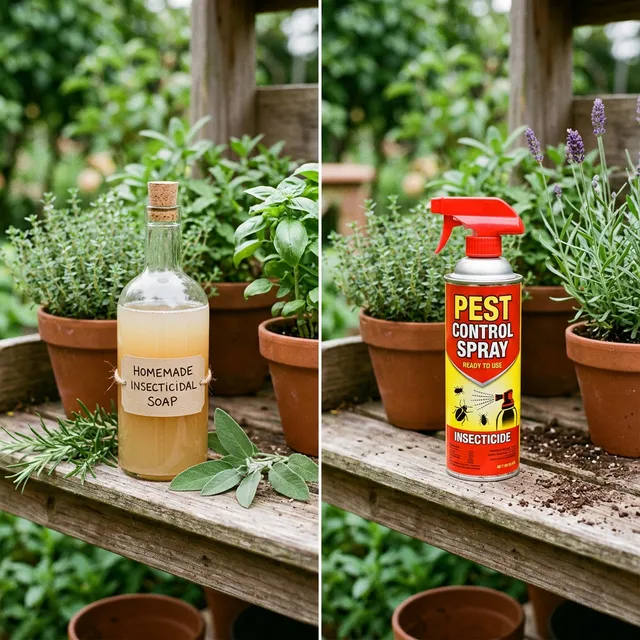
Same fatty-acid chemistry, different spend: kitchen castile vs a labeled concentrate. When mixing wins, and when a store bottle is backup.
 recipes
Basic Castile Insecticidal Soap Spray
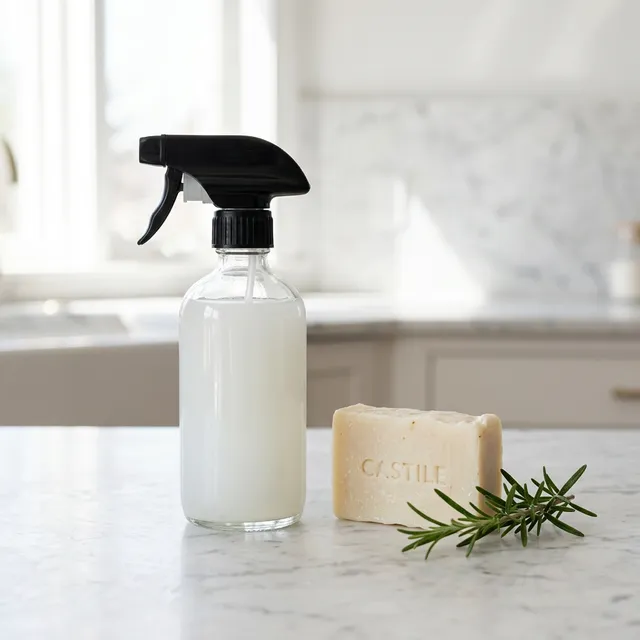
The simplest and most effective homemade insecticidal soap recipe using pure castile soap. Works on aphids, whiteflies, and spider mites.