Insecticidal Soap for Spider Mites
Garden Soap Team
· 8 min read
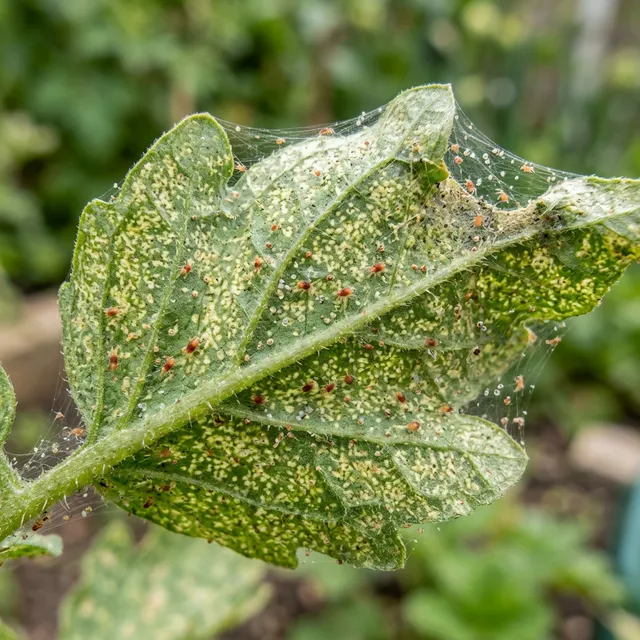
The Garden Soap Team unique angle on this URL is the life stage, not a stronger bottle. Soap is a contact film for mobile mites. Eggs sit through the spray. Generic “mite killer” listicles sell another RTU. This page is the hatch clock, the dry-heat habitat, and when a DIY spray is the wrong spend. Mix math stays on how to make insecticidal soap at home. Browse the rest of the guides hub or the learn hub if you are still matching the pest.
Spider mites are not insects. They are arachnids. That is why some insect-only actives miss them and why a fatty-acid film still matters: it disrupts membranes on whatever it wets, insect or mite. Two-spotted spider mite (Tetranychus urticae) is the usual garden and greenhouse species. Adults are under 0.5 mm. You diagnose damage and motion, not a casual glance.
This keeper sits with four other stage-honest pages: mealybugs (wax and cotton, not stipple), thrips (silver streaks and viruses, not webbing), scale insects (fixed bumps, not moving specks), and tomatoes (the crop that cooks mites in midsummer heat).
How to identify spider mites (before you buy another spray)
Early (often no webbing yet):
- Fine stippling — tiny yellow or white dots — on the upper leaf
- A dull, dusty look even after you wipe the leaf
- Faint bronze or yellow cast on older leaves
Moderate:
- Fine webbing on undersides and in stem crotches
- Clusters of moving specks on the underside
- Leaves yellowing and dropping early
Heavy:
- Thick webbing over growing tips
- Leaves fully bronze
- Decline that a spray will not reverse
Paper test: Hold white paper under a suspect leaf and tap. Moving specks are mites. Static dust is dust. If the specks do not move, do not soap the plant on a guess.
Do not treat every stippled leaf as mites. Lace-bug bronze on azalea is a different underside clock. Thrips leave silver streaks and black frass. Scale does not walk onto the paper.
Why soap works on the stages it can wet
Spider mites have a thin covering. A true soap (potassium salts of fatty acids, or unscented liquid castile) can dissolve that film and disrupt cell membranes on contact. Extension factsheets describe a fast knockdown of wetted mites. That is not a residual. Dry film does not keep killing hatchlings tomorrow.
Eggs are the miss. A typical two-spotted mite egg lasts about 3–5 days in warm weather. Soap does not reliably wet or kill that egg. If you spray once and wait two weeks, you treated the parents and raised the children.
Mix ratios as research, not a lab claim
These are starting rates the Garden Soap Team publishes from the same 1–2% fatty-acid window university soap pages use. They are not an in-house assay and not a reason to “boost” past 2%.
| Goal | Research starting rate | Notes |
|---|---|---|
| Standard knockdown | 1 tablespoon unscented liquid castile per quart (~1%) | Default. Soft or distilled water. |
| Webbed undersides | 1.5 tablespoons per quart (~1.5%) | Still inside the common soap range. Patch-test first. |
| Sensitive hosts | 1 tablespoon per quart, no alcohol | Sensitive-plant list. Rinse after 1–2 hours if the leaf looks tired. |
| Optional residual | 1 teaspoon cold-pressed neem per quart | Adhesion and feeding disruption between soap passes — not an egg sterilizer you can skip coverage for. |
Alcohol in a mite mix is a penetration aid for light webbing, not a second pesticide. The kitchen card is the rubbing alcohol soap spray. Skip alcohol on ferns, succulents, and heat-stressed tomato foliage.
Castile selection: unscented liquid only. A common unscented bottle is Dr. Bronner’s Unscented. Skip “ultra,” antibacterial, and moisturizing dish listings. For neem, use a tagged search rather than a mystery concentrate ASIN: cold-pressed neem oil concentrate. The split between the two tools is on soap vs neem.
Research price ranges (Amazon snapshot bands the desk sees on unscented castile and mite tools — not live offers, not ratings):
- Unscented liquid castile, 8–32 oz: about $8–18
- Labeled insecticidal soap RTU: about $7–15
- Labeled concentrate: about $10–16
- Predatory mite release (Phytoseiulus persimilis), one shipment: about $15–40
A $12 castile bottle still makes many quarts. Another RTU does not fix an egg hatch you did not respray.
Spray for the hatch, not the bronze
- Hose off heavy webbing first. A film that sits on silk never touches the mite.
- Wet undersides to runoff. Mites feed on the back of the leaf. A downward mist is a miss.
- Repeat every 3–5 days while the paper test still shows motion.
| Stage | Typical warm-weather length | Soap on a wet contact? |
|---|---|---|
| Egg | 3–5 days | No — protected |
| Larva | 2–3 days | Yes, if wetted |
| Nymph | 3–5 days | Yes, if wetted |
| Adult | days to a few weeks | Yes, if wetted |
Missing one interval is how “soap does not work on mites” stories start. The spray worked. The eggs hatched.
Between passes, raise humidity: plain-water mist, grouped plants, water trays, mulch to cut dust. Mites are a dry-heat pest. A hotter mix will not replace a wetter room.
Indoor plants
Dry indoor air is mite weather. Isolate the plant. Spray in a tub. Wipe leaves with a damp cloth between films. Inspect neighbors — mites ride air and sleeves. Houseplant technique lives on the indoor soap guide. If the “cotton” on the stem does not move and leaves honeydew, you are not on this page — switch to mealybugs.
When to skip a DIY spray
Skip another kitchen mix when any of these are true:
- The canopy is already webbed and bronze. Soap will not un-bronze dead tissue. Discard or cut to clean wood; protect the plants beside it.
- You cannot keep a 3–5 day clock. One heroic spray is a gift to the next hatch. Buy time with humidity and, if you will release them, predatory mites — not a 3% homemade “boost.”
- The host is on the burn list and already drought-stressed. Patch-test or skip. Heat plus soap is how tomato and houseplant leaves crisp. See plant safety.
- The paper test is negative. Stipple from nutrient issues, thrips, or old lace-bug feeding does not need a mite recipe.
- You need residual on a large greenhouse run and will not wet every underside. That is a labeled miticide or a predator program, not another quart of castile.
On fruiting tomatoes in midsummer, read the heat-season notes on insecticidal soap for tomatoes before you copy the 1.5% mite rate onto drought-wilted foliage.
Garden Soap Team desk note
Amazon “spider mite killer” titles do not say eggs, undersides, or dry air. These are label checks — not a product trial and not star JSON-LD.
- Contact vs residual. If the listing promises days of protection from a fatty-acid soap, treat that as marketing. Soap dries. Plan the hatch interval.
- True soap. Potassium salts of fatty acids or unscented liquid castile. Dish-soap “mite hacks” are a phytotoxicity spend. Selection notes: best soap for insecticidal spray.
- Sprayer that points up. Hardware notes: best spray bottles for garden use.
- Neem label. Cold-pressed if you want azadirachtin. Clarified hydrophobic extract is a different bottle. Compare concentrates in the neem buying guide.
- Associates tag. Outbound Amazon hops on this site use
soapgarden06-20only. This page is a guide, not a storefront.
Related reading in this cluster: thrips when the damage is silver streaks instead of stipple-plus-webbing; scale when the specks do not move.
Frequently Asked Questions
Does insecticidal soap kill spider mites? ▼
On contact, yes — for mites the spray actually wets. Extension soap pages treat fatty-acid sprays as a knockdown for mobile mites, not as an egg kill. Eggs under webbing still hatch, which is why the clock is 3–5 days, not one thorough Saturday spray.
How many times do I need to spray for spider mites? ▼
Plan on at least three or four wettings, 3–5 days apart, while two consecutive scouts show no moving specks on a paper test. Stop when new leaves stay clean. Do not keep soaping bronze, empty foliage hoping color returns.
Should I use neem oil or insecticidal soap for spider mites? ▼
Soap is the contact pass for mites you can wet today. Neem is an optional residual between passes, not a substitute for underside coverage. If the plant is already a webbed canopy, skip another DIY bottle and read the skip section below.
Why do spider mites keep coming back? ▼
Hot, dry, dusty air refills the colony faster than a contact spray empties it. If the room or bed stays that way, the mix is not the failure — the habitat is. Humidity, watering, and a predatory-mite release beat a stronger homemade ratio.
 ✓
✓ The Garden Soap Team writes every recipe and guide on this site. Formulas follow published horticultural guidance — university extension resources, the UC IPM program, and OMRI standards — and we cross-check concentrations and plant-safety warnings against documented gardener experience before publishing. No harsh chemicals, no guesswork passed off as expertise.
📚 Related Articles
 guides
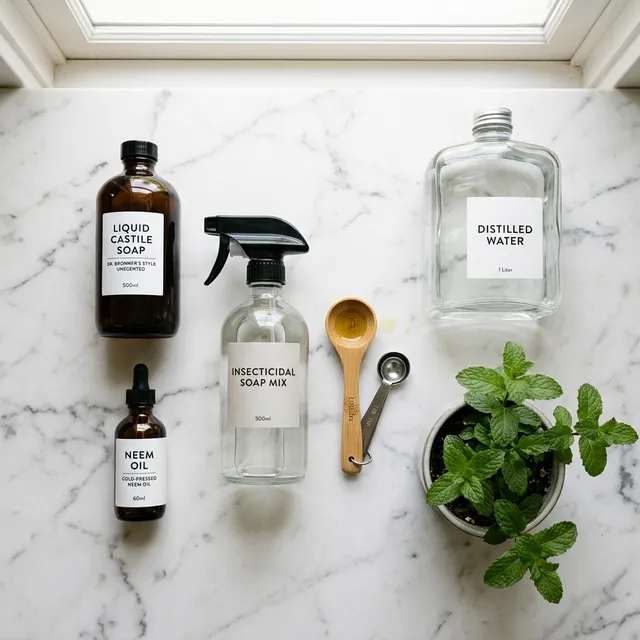
How to Make Insecticidal Soap at Home
Core 3-ingredient method: 1 tablespoon unscented castile per quart, leaf-underside coverage, and the mixing mistakes that burn plants.
 guides
Insecticidal Soap for Mealybugs
Mealybugs are one of the toughest soft-bodied pests to eliminate. Their waxy coating resists plain water, but insecticidal soap breaks through. Here's how.
 guides
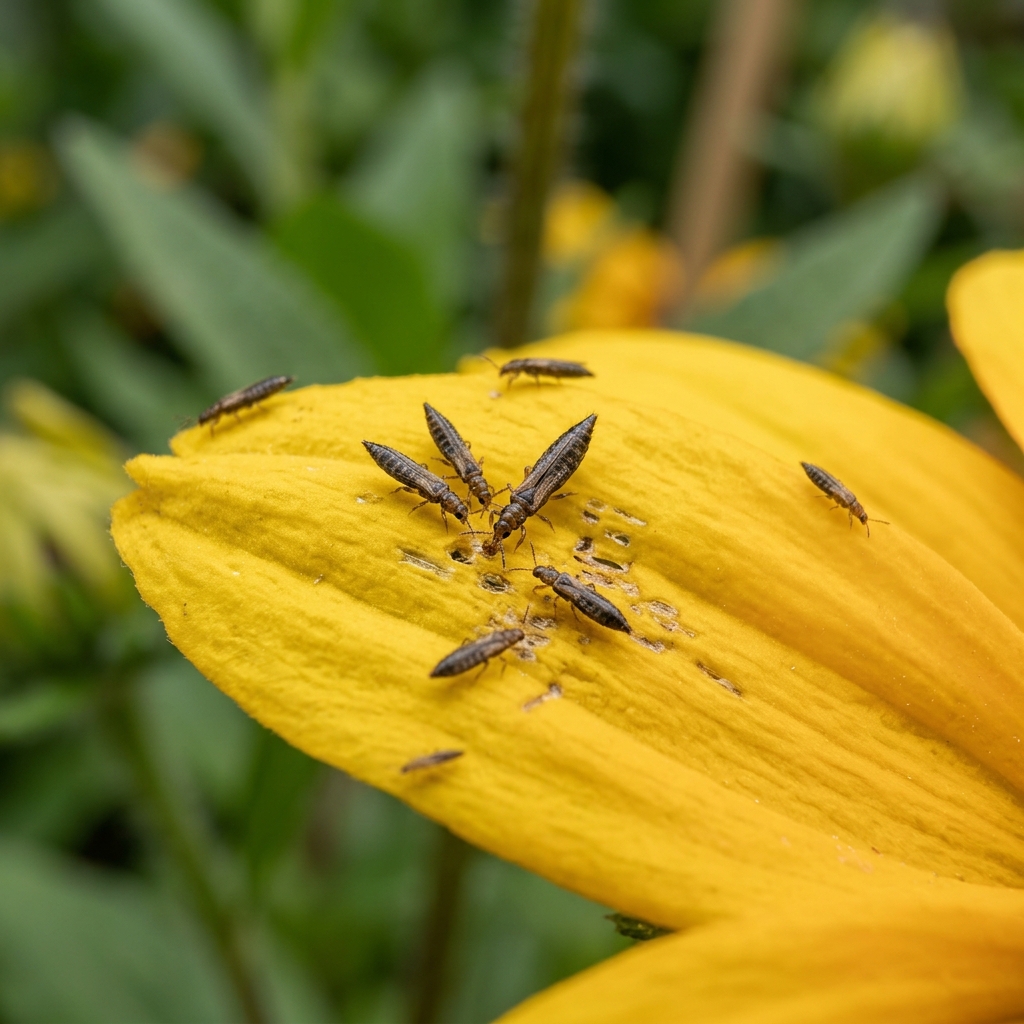
Insecticidal Soap for Thrips
Thrips are tiny, fast-moving pests that damage leaves and spread plant viruses. Insecticidal soap can control them, but timing and technique are critical.