Does Homemade Insecticidal Soap Expire? Shelf Life and Storage
Garden Soap Team
· 8 min read
Gardeners ask this after every leftover batch: the aphids are gone for now, a third of a quart is still in the bottle, and it feels wasteful to pour it out. The short answer is that homemade insecticidal soap does not keep once it is mixed with water. The unused bottle of concentrated soap is a different story. Most confusion comes from treating those two things as if they were the same product.
This guide separates concentrate from mixed spray, explains why leftover dilution fails, and shows how to store the ingredients you actually want to keep. If your spray already looks weak, start with insecticidal soap not working after you read the storage rules here.
Three shelf lives people mix up
“Does it expire?” is really three questions.
1. The unused soap bottle. Pure liquid castile soap in its original container is a concentrated product. Keep the cap tight, keep the bottle out of hot sun, and it remains usable for a long run of mixing days. That bottle is what you store.
2. The mixed spray. Soap plus water is the insecticidal spray. University of Connecticut Extension notes that insecticidal soaps work only while wet and have no residual activity after they dry. The same contact chemistry that makes the spray useful also means a sitting dilution is not a stable pesticide. Mix what you will spray today.
3. The leftover in a dirty sprayer. A bottle that still holds last week’s mix, bits of leaf, and hard-water film is not “stored soap.” It is a contaminated leftover. Empty it, rinse the bottle, and start over. Our garden sprayer guide covers cleanup for the same reason: leftover mix is a common way to clog nozzles and weaken the next batch.
If you remember only one rule, remember this: store the soap, not the spray.
Why diluted soap does not keep
Insecticidal soap kills soft-bodied pests on contact. Potassium salts of fatty acids disrupt insect cell membranes and strip protective waxes. That only happens when a living pest is wet with a working solution. Once the film dries on a leaf, it is inert. Once the same solution sits in a bottle, several things start working against it.
The mix is not buffered the way a commercial concentrate is. A labeled concentrate is built to stay in solution until you dilute it. A kitchen batch of castile soap and water is a simple dilution. It can separate. The first sprays from a settled bottle may be mostly water. The last sprays may be too strong and more likely to burn leaves. That is one reason leftover mix shows up in troubleshooting as both “nothing died” and “the leaves scorched.”
Water quality keeps changing the chemistry. Clemson University Home & Garden Information Center explains that calcium, magnesium, and iron in hard water bind fatty acids and pull them out of solution as scum. That reaction does not wait for you to spray. A mix that looked milky at 7 a.m. can grow a film by afternoon if the tap water is hard. The scum you see is active soap leaving the liquid.
There is no leftover kill sitting in the bottle. Soap is not a residual insecticide. Saving yesterday’s mix does not give you a stronger spray tomorrow. It gives you a less reliable one.
How long each mix actually lasts
Times below are practical limits, not lab certifications. They follow how these recipes behave and what extension sources say about contact soaps. They are not results from a timed shelf trial.
| Mix | Use window after mixing | Why it fails if stored |
|---|---|---|
| Basic castile soap + water | Same day | Separation, mineral binding, weak or harsh sprays |
| Soap + vegetable oil | Same day; do not keep | Oil goes rancid and the emulsion breaks |
| Neem oil insecticidal soap | Within about 8 hours | Diluted neem breaks down quickly in water and light |
| Garlic or garlic-pepper soap | Mix spray fresh; store only the strained concentrate if the recipe allows | Sulfur compounds fade; mixed spray spoils faster than plain soap |
| Hydrogen peroxide soap | Mix immediately before use | Peroxide breaks down in light and does not wait in the bottle |
| Rubbing alcohol soap | Mix before each use | Alcohol evaporates and the ratio drifts |
| Commercial concentrate, still in the jug | Follow the printed date | Stable until diluted |
| Commercial concentrate, already mixed with water | Same as homemade: use promptly | Dilution removes the storage advantage |
The basic castile soap spray is the batch you will make most often. Mix a quart, spray, and empty what you will not use before evening. The dilution calculator exists so you can size the batch to the bottle you actually hold, instead of mixing a gallon “just in case.”
The jar test before you blame the recipe
If last week’s leftover “did nothing,” the water may have spent the week pulling soap out of solution. Clemson HGIC and Louisiana State University AgCenter describe a simple compatibility check:
- Mix your usual soap rate in a clear glass jar with the water you plan to use.
- Shake it.
- Let it stand about 15 minutes.
- If the liquid stays uniform and milky, that water is acceptable for spraying.
- If a scum forms on the surface, switch to distilled water or rainwater.
University of Missouri Extension uses a similar wait of about 30 minutes and the same rule: scum means the water is too hard. That test is for mixing day, not for deciding whether a week-old bottle is still good. A stored mix that already shows scum has already lost active soap. Dump it.
Hard water is also why leftover spray is a poor plan in much of North America. Minerals keep reacting while the bottle sits. Distilled water or rainwater slows that reaction, but it does not turn a diluted batch into a concentrate with a long shelf life. Soft water still leaves you with separation and, if you added oil, rancidity.
What “gone bad” looks like
You do not need a test strip. Use your eyes and nose.
Surface scum or a white ring. Fatty acids have bound with minerals. The liquid below is weaker than the recipe you measured.
Grit or flakes on the bottom. Precipitate has dropped out. Shaking it back in does not restore a true solution. You may also clog the nozzle.
Oil floating in a slick. An oil-added recipe has broken. The next trigger pull can shoot a blob of oil onto one leaf and watery soap onto the rest.
A sour or rancid smell. Vegetable oil and garlic mixes spoil. A rancid spray is not a mild version of the original recipe. Pour it out.
Cloudiness that will not remix. Some settling is normal if you just shook the bottle. If the mix stays streaky or chunky after a hard shake, it is done.
None of those signs mean the original castile bottle failed. They mean the dilution failed. Open a fresh measure of soap and start again.
Store the ingredients, not the spray
Pure liquid castile soap
This is the product you keep on the shelf. Choose unscented liquid castile, as explained in the best soap for insecticidal spray guide. Keep the original cap on. Heat and an open bottle speed drying around the neck and invite contamination.
Do not decant a year’s supply into an unlabeled mason jar and forget it in the shed. The original bottle already tells you what is inside. If you must pour a working amount into a smaller bottle, label it as castile soap, not as “bug spray,” so nobody treats the concentrate like a ready mix.
Water
Distilled water and clean rainwater are the reliable carriers. They do not need a pest-control shelf life. What they need is a clean jug. A rain barrel that smells stagnant is a poor mixing source even if the water is soft. Use water you would not mind putting on edible leaves, because that is exactly where it is going.
Oils and add-ins
Keep unused neem oil, vegetable oil, and garlic concentrate according to each recipe. Neem oil spray and the combined neem oil soap both warn that diluted neem should be used within about eight hours. That limit is about the diluted mix, not the sealed neem bottle. Once neem, soap, and water are together, the clock is short.
Garlic-pepper concentrate can be held in the refrigerator when the recipe is written that way. The spray you dilute from it is still a fresh mix. Hydrogen peroxide and rubbing alcohol recipes are mix-and-use only.
The sprayer
A dedicated bottle labeled for soap is worth more than leftover solution. Residue from a cleaner, a fertilizer, or last month’s oil mix will ride into the next batch. Rinse the bottle after each session. Do not store mixed soap in it “so it is ready.” Ready means a clean bottle and a measured spoon of soap, not a week-old emulsion.
Commercial bottles are not a loophole for leftover DIY
Homemade and commercial insecticidal soaps use the same active chemistry: potassium salts of fatty acids. The difference that matters for storage is formulation.
A commercial concentrate is built to sit closed until you dilute it. A ready-to-use jug is already diluted and still has a printed date because the manufacturer tested that packaged product. Your mason-jar batch has neither a stabilizer package nor a labeled expiration study. Copying the “2 to 3 years” idea from a concentrate jug onto leftover homemade spray is the wrong comparison.
Once you dilute a commercial concentrate, treat that bucket like homemade spray. Use it. Do not park a half-gallon in the sun for the weekend and expect label performance on Monday. The label date applies to the product in the form you bought, not to every dilution you invent later.
If you want the convenience of a bottle that can sit between jobs, buy a concentrate and mix small jobs from it. That is storage. Mixing a gallon of homemade spray on Saturday for the whole month is not.
Same-day leftovers: what is reasonable
A batch mixed at dawn and finished after dinner is still a same-day mix. Keep it in the shade. Shake it before every refill. If the jar test was clean in the morning and the bottle has not grown scum, finishing that quart the same evening is ordinary use.
What is not ordinary use:
- Parking the bottle in a hot car or on a greenhouse bench
- Adding more soap to a stale mix “to strengthen it”
- Combining yesterday’s leftover with today’s fresh batch
- Spraying a mix that smells off because you do not want to waste it
If rain canceled the afternoon job, empty the bottle. The cost of a fresh tablespoon of soap is small next to a leaf burn or a second week of aphids. Soap has no residual activity after it dries, so there is no prize for stretching one mix across many days. When to spray already asks for a dry window. Storage should not talk you into spraying a stale mix just because the weather finally cleared.
How leftover mix shows up as “soap does not work”
Gardeners often decide soap is weak after a stored batch. The usual pattern looks like this:
- The first fresh mix knocks down visible aphids.
- Eggs and hidden nymphs survive, which is expected because soap does not kill eggs.
- A leftover bottle is used a few days later on the rebound.
- Coverage is poor because the mix has separated or scummed.
- The conclusion becomes “soap failed,” when the second application was no longer the recipe.
That is a storage problem stacked on a biology problem. Reapplication every few days is still required. Each of those applications should be a fresh dilution. See the aphid guide and whitefly guide for the repeat-spray schedule. Do not stretch one bottle across that schedule.
Hard-shelled pests add another false signal. Japanese beetles, adult squash bugs, and many beetles will walk through soap whether the mix is fresh or a week old. Age is not the reason those pests survive. Body armor is. Fresh soap will not fix a pest the chemistry cannot reach.
Mixing only what you need
The how-to guide and the basic recipe both use about 1 tablespoon of pure liquid castile soap per quart of water. That is a 1-quart job, not a seasonal stockpot.
A practical routine:
- Scout first. Count the plants that actually have soft-bodied pests, not every plant in the yard.
- Choose a bottle that matches that job. A 32-ounce trigger bottle covers a few tomato cages or a cluster of houseplants. A pump sprayer is for beds, not for a single rose.
- Mix in the sprayer or a clean jug, water first, then soap.
- Shake until the liquid looks even.
- Spray leaf undersides and growing tips while the mix is fresh.
- Empty the remainder when you are done. Rinse the bottle.
If you garden every morning in peak aphid season, mix each morning. That takes a few minutes. It is faster than diagnosing a stale batch and safer for plants that are already sensitive to soap.
Patch-test new plants with a fresh mix, not with leftovers. A leftover that has concentrated at the bottom can burn a test leaf and talk you out of a recipe that would have been fine at the measured rate. Plant safety assumes you sprayed the dilution you intended.
Labeling so nobody drinks the leftover
Homemade spray looks like cloudy water. That is enough reason to label the bottle even when you plan to empty it the same day.
Write three lines on tape:
- Insecticidal soap
- Date mixed
- “Not for people or pets — rinse produce”
Keep the bottle away from beverages. Keep children and pets out of the shed corner where sprayers live. Soap has low mammalian toxicity compared with many insecticides, which is why extension fact sheets describe it as a reduced-risk contact spray, but a labeled bottle still prevents a bad guess.
If you store unused castile soap in a secondary bottle, label that bottle as soap concentrate. A guest who sees “bug spray” on a thick, sudsy liquid may dilute it wrong or spray it straight.
What not to do with old mix
Do not add vinegar to a stale batch to “revive” it. A small amount of vinegar is sometimes used to soften hard water at mix time. It is not a repair for scum that has already formed, and extra acid on leaves is a plant-safety problem. Vinegar as a standalone aphid spray is a different, harsher idea and is not a substitute for soap.
Do not boil or refrigerate leftover spray to extend it. Temperature tricks do not put fatty acids back into solution after they have bound with minerals. Refrigeration can slow a garlic concentrate. It does not turn diluted soap into a stable concentrate.
Do not pour leftover soap into the vegetable bed “as fertilizer.” You made a contact spray, not a soil drench. Dump unused mix down a household drain with plenty of water, away from ponds and fish. Extension fact sheets note that insecticidal soaps can be harmful to aquatic life.
Do not spray a mystery bottle you found in the fall. Last season’s mix is trash. Wash the bottle and start from the soap you can still identify.
A storage plan that matches how soap works
Insecticidal soap is a same-day tool. Colorado State University Extension is blunt about the limits: the insect has to be wet, there is no residual effect, and homemade cleaner-based recipes are a plant-injury risk. Storage habits should respect those limits.
Keep a small kit, not a stockpile of mixed spray:
- One bottle of unscented liquid castile soap
- Distilled water or a clean rain jug
- A dedicated sprayer you rinse after use
- Optional add-ins kept in their own closed containers
- The mixing calculator bookmarked so the next quart is the right size
That kit is how homemade soap stays cheap and predictable. The moment you try to bank mixed spray for later, you give up the control that made the homemade route worthwhile.
If you would rather buy time between jobs, a commercial concentrate on a shelf is the product designed for that. Mix it when pests are present, then use the dilution. Do not treat either path as a residual pesticide you can apply once and forget. For timing through the week, use when to spray insecticidal soap. For the recipe itself, stay with how to make insecticidal soap and mix it when you are ready to walk the rows.
Frequently Asked Questions
Does homemade insecticidal soap expire after I mix it? ▼
The unused bottle of pure castile soap lasts a long time if capped. Once you dilute soap in water, treat that batch as a same-day spray. Mix fresh for the next application rather than parking leftover solution in the bottle for a week.
How long does insecticidal soap last in a spray bottle? ▼
Use a basic soap-and-water mix the day you make it. If a leftover batch sat overnight, dump it and remix. Oil-added and neem mixes break down even faster and should not be saved for later in the week.
Can I store leftover insecticidal soap for next week? ▼
No. Diluted soap can separate, bind with minerals in the water, or go stale. Commercial concentrates are formulated to sit on a shelf. Homemade spray is not. Keep the concentrated soap and mix only what you need.
How can I tell if mixed insecticidal soap has gone bad? ▼
Look for soap scum on the surface, a grainy precipitate at the bottom, cloudiness that will not remix, or a rancid smell if the recipe included oil or garlic. Any of those signs means the batch should be discarded.
Does commercial insecticidal soap expire? ▼
Yes. Follow the date printed on the bottle. Unopened concentrate usually outlasts a ready-to-use spray because it has not been diluted yet. Once you mix a commercial concentrate with water, use that dilution promptly, just as you would a homemade batch.
 ✓
✓ The Garden Soap Team writes every recipe and guide on this site. Formulas follow published horticultural guidance — university extension resources, the UC IPM program, and OMRI standards — and we cross-check concentrations and plant-safety warnings against documented gardener experience before publishing. No harsh chemicals, no guesswork passed off as expertise.
📚 Related Articles
 guides
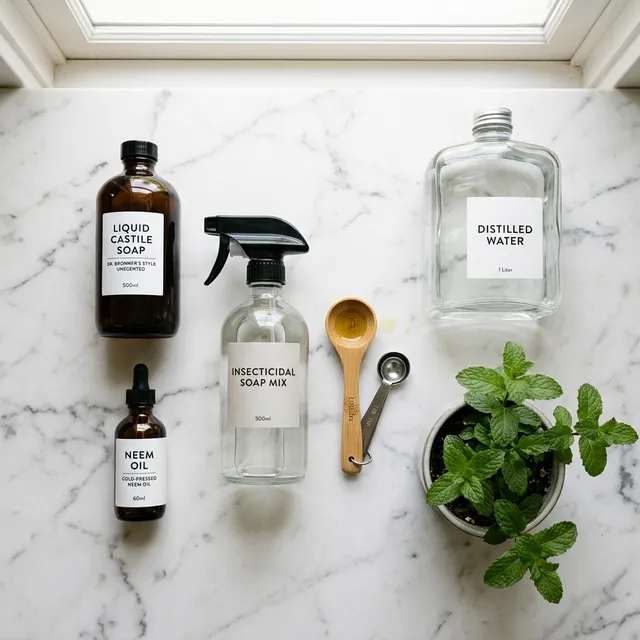
How to Make Insecticidal Soap at Home
Core 3-ingredient method: 1 tablespoon unscented castile per quart, leaf-underside coverage, and the mixing mistakes that burn plants.
 guides
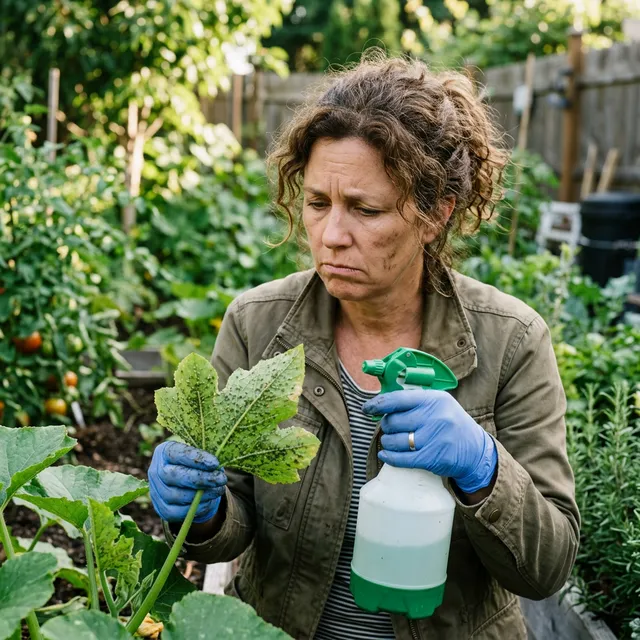
Insecticidal Soap Not Working? 8 Fixes
Your insecticidal soap spray isn't killing pests? Here are the 8 most common reasons it fails and exactly how to fix each one.
 guides
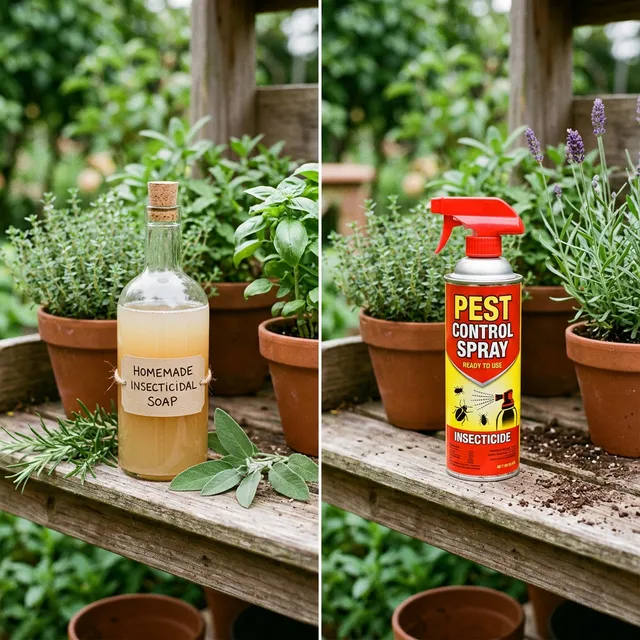
Homemade vs Commercial Insecticidal Soap
Same fatty-acid chemistry, different spend: kitchen castile vs a labeled concentrate. When mixing wins, and when a store bottle is backup.