Insecticidal Soap for Japanese Beetles
Garden Soap Team
· 8 min read
Why This Article Is Different
Most articles about insecticidal soap focus on pests it kills well. This one is about a pest it doesn’t kill at all, and that’s important information because many gardeners waste time and soap spraying Japanese beetles with zero results.
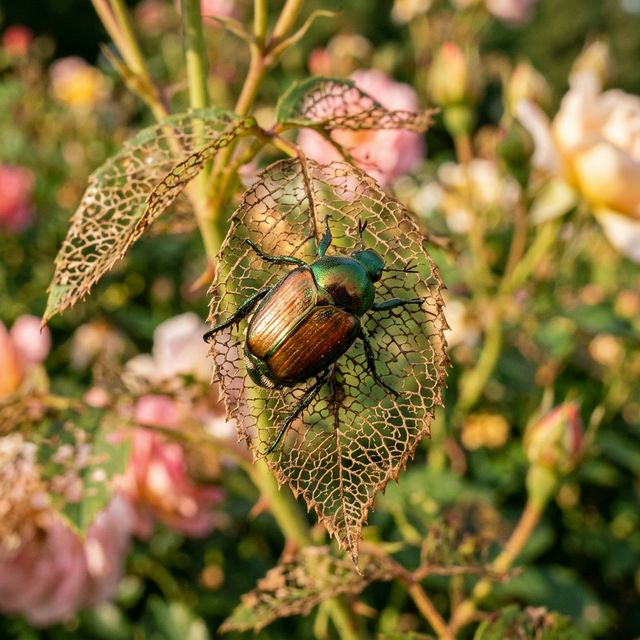
Japanese beetles (Popillia japonica) are one of the most destructive garden pests in the eastern and central United States. They feed on over 300 plant species, skeletonizing leaves by eating the tissue between veins and leaving behind a lace-like skeleton of dead leaf. They’re especially devastating to roses, grapes, linden trees, and beans.
If you’ve been spraying them with insecticidal soap and wondering why it’s not working, here’s your answer, and here’s what will actually work.
Why Insecticidal Soap Fails Against Japanese Beetles
Insecticidal soap works by dissolving the soft, waxy cuticle of vulnerable insects. Japanese beetles are the opposite of vulnerable:
- Hard metallic exoskeleton that completely resists fatty acid penetration
- Thick wing covers (elytra) that shield the body and fold tightly
- Large body mass (1/2 inch long) that can’t be dehydrated by surface contact
- Active fliers that leave treated plants immediately and return later
You could submerge a Japanese beetle in insecticidal soap solution and it would crawl out. Their armor is that effective. This is the same reason soap doesn’t work on ladybugs or other hard-shelled beetles, the mechanism simply doesn’t apply.
| Insect Type | Shell Hardness | Soap Effectiveness |
|---|---|---|
| Aphids | Soft membrane | Excellent |
| Japanese beetles | Hard exoskeleton | None |
| Ladybugs | Hard wing covers | None |
| Mealybugs | Waxy coating over soft body | Good |
| Spider mites | Minimal cuticle | Excellent |
Identifying Japanese Beetles
Before treating, confirm you’re dealing with Japanese beetles and not a look-alike:
Japanese beetle adults:
- 1/2 inch long, oval body
- Metallic green head and thorax
- Copper-brown wing covers
- Five patches of white hair tufts along each side
- Often found feeding in groups (they release aggregation pheromones)
Japanese beetle grubs:
- White, C-shaped larvae found in soil and lawns
- 3/4 to 1 inch long when mature
- Brown head capsule
- Distinctive V-shaped pattern of hairs on the underside of the last abdominal segment (this distinguishes them from other white grubs)
Damage pattern:
- Skeletonized leaves, beetles eat between the veins, leaving a lace-like pattern
- Damaged flowers, especially roses, which beetles are strongly attracted to
- Feeding starts from the top of the plant and works downward
- Damage is worst on warm, sunny days
What Actually Kills Japanese Beetles: Organic Methods
1. Hand-Picking Into Soapy Water
This is the most effective immediate control. Here’s the irony: soap can’t kill Japanese beetles by spray contact, but it’s excellent for drowning them.
- Fill a bucket with water and add a squirt of dish soap (the soap breaks surface tension so beetles can’t float)
- Walk through the garden in early morning when beetles are sluggish
- Hold the bucket under the infested leaf or flower
- Tap or shake the plant, beetles fold their legs and drop when disturbed
- They fall directly into the soapy water and drown
One person can collect hundreds of beetles in a 15-minute morning session during peak season. It sounds tedious, but it’s genuinely the most effective short-term method.
2. Neem Oil as a Feeding Deterrent
While insecticidal soap can’t kill Japanese beetles, neem oil can deter them from feeding:
- Azadirachtin in neem makes treated foliage taste terrible to beetles
- Beetles that eat neem-treated leaves reduce their feeding significantly
- Neem won’t kill adults on contact, but it reduces damage
- Apply neem oil mixed with castile soap (as an emulsifier) every 7 days during beetle season
- Reapply after rain
Neem is the closest thing to a “spray solution” for Japanese beetles in the organic gardener’s toolkit.
3. Milky Spore Disease (Long-Term Grub Control)
Milky spore (Paenibacillus popilliae) is a soil-dwelling bacterium that specifically kills Japanese beetle grubs. It’s the best long-term solution:
- Apply milky spore powder to lawns and grassy areas where grubs live
- Spores persist in soil for 10-15 years after a single application
- Grubs ingest the spores while feeding on grass roots, sicken, and die
- Dead grubs release billions more spores, spreading the bacteria
- Takes 2-3 years to build up to full effectiveness
This doesn’t solve your problem today, but it dramatically reduces beetle populations for years to come. It’s the single best investment for persistent Japanese beetle problems.
4. Beneficial Nematodes (Faster Grub Control)
Heterorhabditis bacteriophora nematodes are microscopic worms that actively hunt and kill soil grubs:
- Apply to moist lawns in late summer or early fall when grubs are small
- Nematodes enter grubs and release bacteria that kill them within 48 hours
- Faster-acting than milky spore but doesn’t persist as long
- Water in thoroughly after application
- Reapply annually for best results
Combining milky spore and beneficial nematodes gives you both immediate and long-term grub control.
5. Row Covers for Vulnerable Crops
For vegetable gardens, floating row covers protect plants during beetle season:
- Cover beans, grapes, and other beetle favorites with lightweight fabric
- Secure edges to prevent beetles from walking underneath
- Remove for pollinator-dependent crops during flowering
Why You Should NOT Use Beetle Traps
Japanese beetle pheromone traps are widely sold and seem logical. Research consistently shows they’re counterproductive:
- University of Kentucky studies found traps attract more beetles to an area than they catch
- Beetles attracted by the trap scent land on nearby plants instead of entering the trap
- Plant damage typically increases in yards with traps compared to yards without them
- The lure attracts beetles from up to 200 feet away, pulling in beetles that wouldn’t have found your garden otherwise
If you must use them, place traps at least 50 feet away from any plants you want to protect, at the far edge of your property. Better yet, convince your neighbor down the street to use one.
Protecting Your Most Vulnerable Plants
Roses
Japanese beetles are intensely attracted to roses, especially light-colored and fragrant varieties:
- Hand-pick daily during beetle season
- Apply neem oil spray to buds and foliage weekly
- Consider sacrificing one rose bush as a “trap plant”, beetles will concentrate there, making hand-picking easier
- Remove spent blooms promptly (beetles are less attracted to plants without open flowers)
For more on protecting roses, see our insecticidal soap for roses guide.
Grapes and Fruit
Japanese beetles devour grape leaves and can defoliate entire vines:
- Neem oil spray is essential for grapevines during beetle season
- Kaolin clay sprays create a physical barrier that deters feeding
- Hand-pick in early morning
- Companion plant with garlic and chives, which may repel beetles
Linden and Ornamental Trees
Large trees can’t be effectively hand-picked:
- Focus grub control efforts in surrounding lawn areas
- Apply neem oil to lower, reachable branches
- Accept that some canopy damage is inevitable on large trees, healthy trees recover
- Avoid planting linden, birch, and crabapple (highly preferred species) if Japanese beetles are a persistent problem in your area
Cultural Practices That Reduce Japanese Beetle Damage
Lawn management for grub control:
- Keep grass slightly longer (3+ inches), beetle females prefer short grass for egg-laying
- Allow lawn to dry slightly between waterings during July-August egg-laying season
- Aerate in fall after applying beneficial nematodes or milky spore
Garden diversity:
- Interplant beetle-susceptible species with less attractive ones
- Avoid mass plantings of highly preferred species (roses, grapes, linden)
- Plant bug-repelling plants as borders around vulnerable beds
Timing and acceptance:
- Japanese beetle adults typically feed for 6-8 weeks
- Most healthy plants recover from moderate beetle damage
- Focus your most intensive management on high-value plants (prize roses, food crops)
- Accept cosmetic damage on tough ornamentals that will bounce back
The Seasonal Strategy
| Month | Action |
|---|---|
| March-April | Apply milky spore to lawns (if not already done) |
| May | Begin monitoring for first beetle emergence |
| June | Start hand-picking as adults appear; apply neem to priority plants |
| July | Peak beetle activity, daily hand-picking, weekly neem applications |
| August | Late-season feeding; apply beneficial nematodes to lawns |
| September | Beetle activity ends; continue nematode watering |
| October | Clean up garden debris where adults may shelter |
When to Accept the Damage
Not every Japanese beetle situation needs aggressive management. Consider accepting the damage when:
- The affected plant is a large, healthy tree that will recover
- You see only a few beetles rather than swarms
- The plant is ornamental rather than a food crop
- The damage is late in the season when the plant has already finished its productive work
Reserve your energy for protecting food crops and your most prized ornamentals. For everything else, a few skeletonized leaves won’t kill the plant.
For a broader organic pest control strategy, see our guides on natural pest control methods and integrated pest management.
Frequently Asked Questions
Does insecticidal soap kill Japanese beetles? ▼
No. Insecticidal soap is ineffective against Japanese beetles. Their hard, metallic exoskeleton completely resists the soap's contact-kill mechanism, which only works on soft-bodied insects. You need other organic methods like hand-picking, neem oil, or milky spore for grubs.
What kills Japanese beetles organically? ▼
Hand-picking into soapy water is the most effective immediate control. For long-term management, milky spore disease or beneficial nematodes applied to lawns kill Japanese beetle grubs before they emerge as adults. Neem oil acts as a feeding deterrent on plants.
Should I use Japanese beetle traps? ▼
No, research consistently shows that pheromone traps attract more beetles to your yard than they catch. University studies found that traps actually increase plant damage in the surrounding area. Hand-picking is more effective.
When are Japanese beetles most active? ▼
Japanese beetles are active from mid-June through August in most regions, with peak activity in July. They feed during warm, sunny days and are most sluggish in early morning when temperatures are cooler, making that the best time for hand-picking.
 ✓
✓ The Garden Soap Team writes every recipe and guide on this site. Formulas follow published horticultural guidance — university extension resources, the UC IPM program, and OMRI standards — and we cross-check concentrations and plant-safety warnings against documented gardener experience before publishing. No harsh chemicals, no guesswork passed off as expertise.
📚 Related Articles
 guides
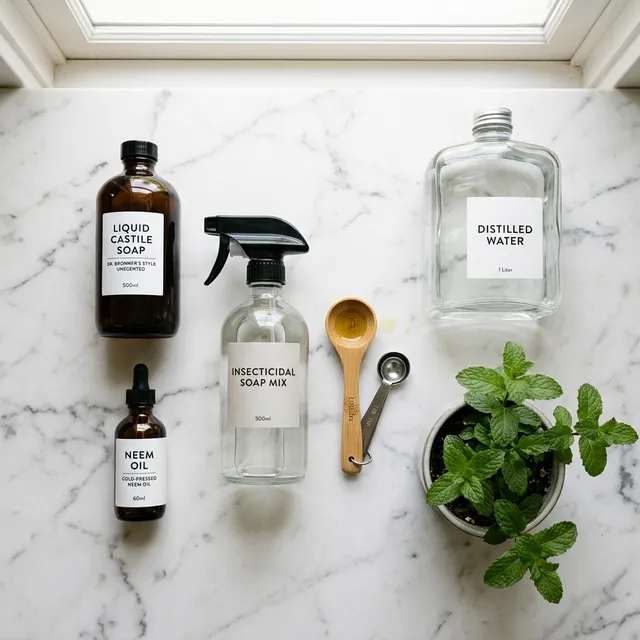
How to Make Insecticidal Soap at Home
Core 3-ingredient method: 1 tablespoon unscented castile per quart, leaf-underside coverage, and the mixing mistakes that burn plants.
 guides
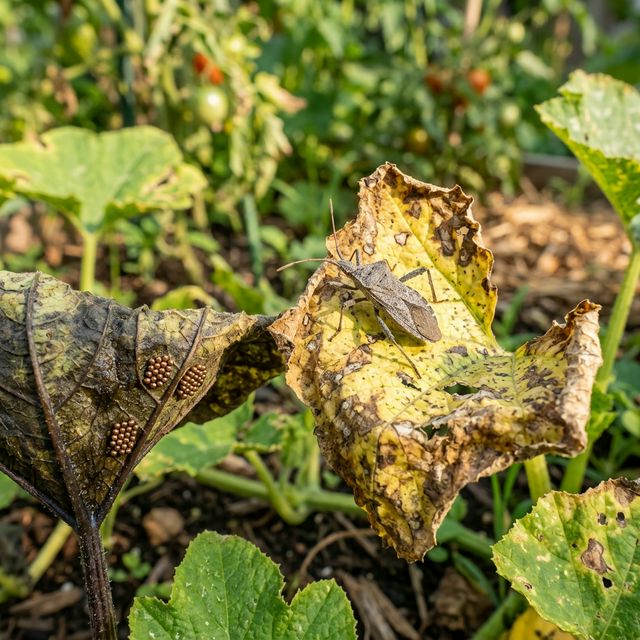
Insecticidal Soap for Roses
Roses attract aphids, thrips, and spider mites. Insecticidal soap treats all three without harming your blooms. Here's the rose-specific guide.
 learn
learnNatural Pest Control Methods That Actually Work
Proven natural pest control methods for gardens and homes. Insecticidal soap, beneficial insects, and companion planting — no synthetic chemicals needed.