Insecticidal Soap for Stink Bugs
Garden Soap Team
· 8 min read
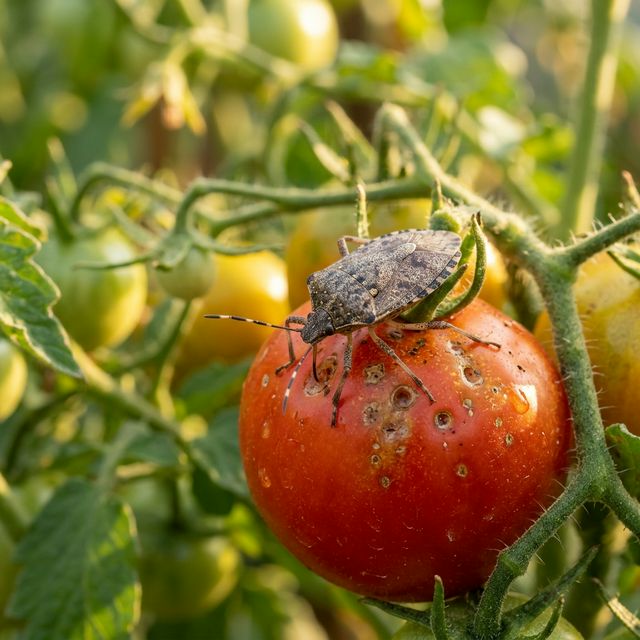
The Stink Bug Challenge
The brown marmorated stink bug (Halyomorpha halys) has become one of North America’s most frustrating garden and household pests since its accidental introduction from Asia in the late 1990s. If you grow tomatoes, peppers, beans, or fruit trees, you’ve likely encountered their damage: dimpled, corky spots on fruit where the bug inserted its piercing mouthparts to feed.
And if you live in the mid-Atlantic, Southeast, or Pacific Northwest, you’ve almost certainly experienced the fall invasion, hundreds of stink bugs clustering on sunny exterior walls and finding their way inside your home to overwinter.
The natural question is whether insecticidal soap can solve either problem. The honest answer: not really, but soap spray has a supporting role in a broader strategy.
Insecticidal Soap vs. Stink Bugs: The Limitations
Adult stink bugs share a key characteristic with Japanese beetles: a tough, hardened exoskeleton that resists soap’s contact-kill mechanism.
| Life Stage | Shell | Soap Effectiveness | Notes |
|---|---|---|---|
| Eggs (barrel-shaped clusters) | Hard chorion | None | Protected by egg shell |
| First-instar nymphs | Soft | Good | Best window for soap treatment |
| Mid-stage nymphs | Hardening | Moderate | Decreasing vulnerability |
| Late nymphs | Nearly adult-like | Low | Developing adult armor |
| Adults | Hard shield | Very low | Thick scutellum and wing covers |
The shield-shaped body (technically called a scutellum) is the stink bug’s defining feature and its primary defense. The overlapping plates of the exoskeleton create an armor that soap simply can’t penetrate effectively.
Where Soap Does Help
- Early-stage nymphs: Freshly hatched stink bug nymphs are soft-bodied and cluster near their egg sites for several days. A direct soap spray during this brief window can kill them.
- Soapy water traps: Stink bugs knocked into a bucket of soapy water drown effectively. The soap breaks surface tension, preventing them from floating.
- As a surfactant for other treatments: Adding soap to kaolin clay or neem oil sprays improves coverage and adhesion on plant surfaces.
Identifying Stink Bugs
Brown Marmorated Stink Bug (BMSB)
The most common and problematic species:
- 5/8 inch long, shield-shaped, mottled brown-gray
- Light and dark bands on antennae and on the abdominal edges
- Distinctive white bands on the last two antennal segments
- Smooth shoulders (unlike some native stink bugs that have spines)
Native Stink Bug Species
Not all stink bugs are pests. Some are beneficial predators:
Green stink bug, bright green, damages fruit and vegetables (pest)
Spined soldier bug, predatory, has pointed shoulder spines, eats caterpillars and beetle larvae (beneficial, don’t kill these)
Two-spotted stink bug, black with two red spots (beneficial predator)
Before treating, verify you’re dealing with pest species, not beneficial predatory stink bugs. The spined soldier bug is commonly mistaken for a pest stink bug, but it’s actually one of the garden’s best allies against cabbage worms and other caterpillars.
What Actually Works Against Stink Bugs
1. Kaolin Clay Spray
Kaolin clay (sold as Surround WP) creates a white particle film on plant surfaces that:
- Deters stink bugs from landing and feeding
- Irritates their bodies when they contact the coating
- Makes it difficult for them to grip plant surfaces
- Also deters many other pests
Apply to tomatoes, peppers, and fruit trees before stink bug season begins. Reapply after rain. Plants look whitish during treatment but it washes off fruit at harvest.
2. Hand-Picking
Stink bugs are large, slow, and not great at escaping:
- Check plants in early morning when bugs are sluggish
- Knock or shake them into a bucket of soapy water
- Wear gloves if you don’t want the stink on your hands (the defensive odor is harmless but persistent)
- Focus on fruit and developing pods where stink bugs concentrate
3. Trap Crops
Stink bugs are strongly attracted to certain plants. Use this to your advantage:
- Sunflowers are highly attractive and can draw stink bugs away from tomatoes
- Okra planted around the garden perimeter concentrates stink bugs
- Sweet corn attracts stink bugs to the silks
- Buckwheat is an effective trap crop that also attracts beneficial insects
Plant trap crops at the garden border, 10-15 feet from your main vegetable beds. Monitor trap crops daily and destroy the stink bugs you find concentrated there.
4. Neem Oil
Neem oil doesn’t kill adult stink bugs on contact, but it:
- Acts as a feeding deterrent on treated plants
- Disrupts nymph development through azadirachtin’s hormonal effects
- Provides anti-feedant properties when consumed by nymphs
- Works best when combined with soap as an emulsifier
Apply neem oil + soap weekly to vulnerable crops during stink bug season.
5. Encourage Parasitic Wasps
Several native parasitic wasps attack stink bug eggs:
- Trissolcus japonicus (samurai wasp), a biocontrol agent specifically imported to control BMSB, now established in many states
- Anastatus reduvii, native egg parasitoid
- Telenomus podisi, parasitizes several stink bug species
These tiny wasps lay their eggs inside stink bug eggs, destroying them before they hatch. To encourage them:
- Plant small-flowered herbs and flowers (dill, cilantro, sweet alyssum, buckwheat)
- Avoid broad-spectrum insecticides
- Learn to recognize parasitized eggs (they turn dark rather than hatching)
Protecting Your Garden Crops
Tomatoes
Stink bug feeding causes white, corky, spongy spots under the skin called cloudyspot. The fruit is still edible but unattractive. Protection strategies:
- Apply kaolin clay starting when fruit begins to set
- Use neem oil + soap spray weekly
- Plant sunflowers nearby as trap crops
- Hand-pick in early morning
Peppers
Stink bugs cause similar damage to peppers plus “cat-facing”, distorted fruit with dimpled, scarred surfaces:
- Same protection strategies as tomatoes
- Row covers work well for peppers since they self-pollinate
- Harvest promptly when fruit reaches size, don’t leave ripe peppers on the plant
Beans and Corn
Stink bugs feed on developing seeds and corn kernels:
- Monitor bean pods for dark feeding punctures
- Check corn ears for bugs feeding on developing kernels
- Trap crops are especially effective for these crops
- Hand-pick from bean rows during morning inspections
Fruit Trees
Stone fruits (peaches, plums) and pome fruits (apples, pears) are vulnerable:
- Kaolin clay is the primary organic defense for fruit trees
- Apply from petal fall through harvest
- See our guide on insecticidal soap for fruit trees for application details
Dealing with Fall Home Invasions
When stink bugs try to enter your home in autumn, the management approach is entirely different from garden control:
Exclusion (Prevention)
The best strategy is keeping them out:
- Seal cracks and gaps around windows, doors, and foundation
- Repair or replace damaged screens
- Install door sweeps on all exterior doors
- Caulk utility penetrations where pipes and wires enter the house
- Check attic vents and soffit openings
If They’re Already Inside
- Vacuum them up, use a shop vac or a vacuum with a bag you can dispose of. The stink smell lingers in bagless vacuums.
- Capture in soapy water, flick or knock them into a jar of soapy water
- Do NOT crush them indoors, the defensive odor stains surfaces and is difficult to remove
- Do NOT spray insecticidal soap indoors, it’s unnecessary and makes a mess. Physical removal is more effective.
Stink bugs do not reproduce, feed, or cause structural damage inside your home. They’re purely sheltering for winter. While annoying, they’re harmless indoors.
Seasonal Management Calendar
| Season | Action |
|---|---|
| Early spring | Scout for emerging adults on warm, sunny days |
| Late spring | Check plants for egg masses (barrel-shaped rows on leaf undersides) |
| Early summer | Spray soap on early nymph clusters; apply kaolin clay to crops |
| Mid-summer | Peak feeding period, hand-pick, use trap crops, apply neem |
| Late summer | Continue monitoring; nymph populations peak |
| Fall | Seal home entry points; adults seek overwintering sites |
| Winter | Plan next year’s trap crop placement and prevention strategy |
The Integrated Approach
No single method controls stink bugs effectively. The most successful organic strategy combines:
- Trap crops to concentrate populations
- Kaolin clay on high-value crops
- Hand-picking for immediate removal
- Neem oil + soap as a feeding deterrent
- Insecticidal soap targeted at early-stage nymphs
- Beneficial insect habitat for long-term biological control
- Home exclusion for fall invasion prevention
For more on building a comprehensive pest management strategy, see our guides on integrated pest management and natural pest control methods.
Frequently Asked Questions
Does insecticidal soap kill stink bugs? ▼
Insecticidal soap has limited effectiveness against adult stink bugs due to their hard, shield-shaped exoskeleton. However, soap spray can kill stink bug nymphs in their early stages when their cuticle is still soft. It works best as part of a broader management strategy.
What is the best organic treatment for stink bugs? ▼
Kaolin clay spray is the most effective organic deterrent for stink bugs in gardens. It creates a physical barrier on plant surfaces that deters feeding and egg-laying. Combine with hand-picking, trap crops, and encouraging parasitic wasps for comprehensive control.
Why do stink bugs invade my house in fall? ▼
Stink bugs seek warm sheltered spaces to overwinter. They're attracted to the heat radiating from buildings in fall and enter through cracks, gaps around windows, and other openings. They don't reproduce or feed indoors, they're just sheltering until spring.
Will stink bugs damage my vegetable garden? ▼
Yes, stink bugs are serious vegetable garden pests. They pierce fruit and seeds with their needle-like mouthparts, causing dimpled, corky spots on tomatoes, and cat-facing on peppers and fruit. They also damage beans, corn, and okra.
 ✓
✓ The Garden Soap Team writes every recipe and guide on this site. Formulas follow published horticultural guidance — university extension resources, the UC IPM program, and OMRI standards — and we cross-check concentrations and plant-safety warnings against documented gardener experience before publishing. No harsh chemicals, no guesswork passed off as expertise.
📚 Related Articles
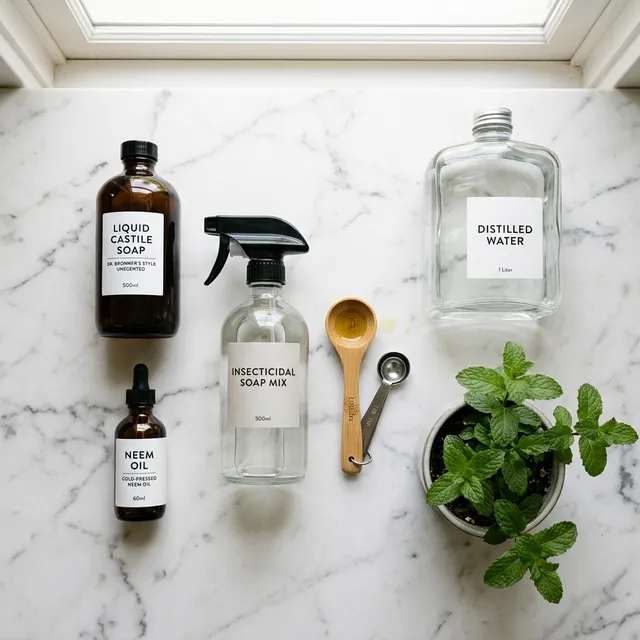 guides
How to Make Insecticidal Soap at Home
Core 3-ingredient method: 1 tablespoon unscented castile per quart, leaf-underside coverage, and the mixing mistakes that burn plants.
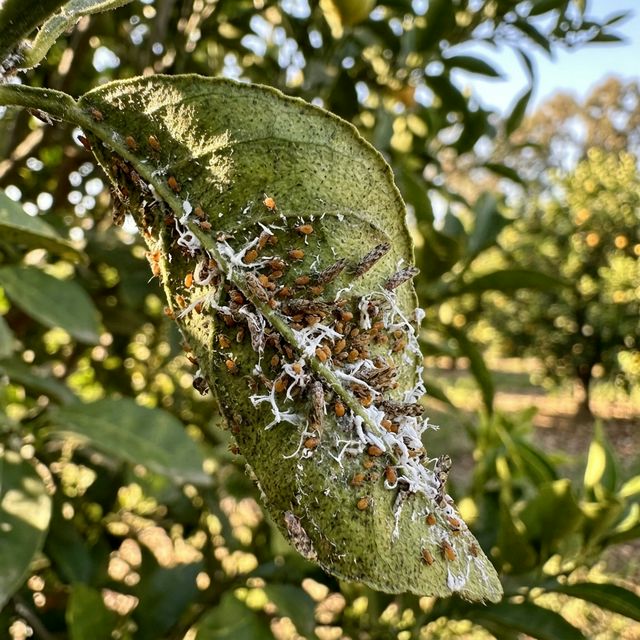 guides
Insecticidal Soap for Tomatoes
Tomatoes attract aphids, whiteflies, and hornworms. Insecticidal soap handles the first two safely without harming fruit. Here's the tomato-specific guide.
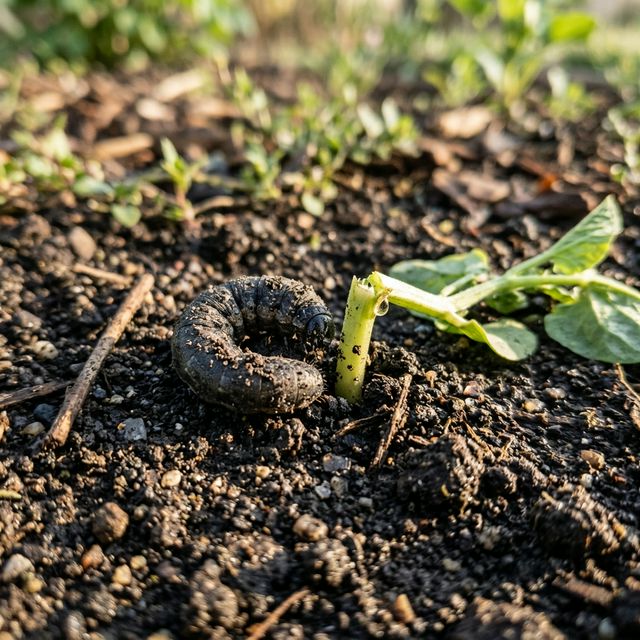 guides
Natural Pesticides for Vegetable Gardens
Six extension-guided tools for edible beds: contact soap first, then neem, Bt, and companions. Ranked by pest — not by the loudest organic label.