Insecticidal Soap for Fruit Trees
Garden Soap Team
· 8 min read
Why Insecticidal Soap Is Ideal for Fruit Trees
Fruit trees present a unique pest control challenge: whatever you spray eventually ends up on the fruit you eat. Insecticidal soap solves this problem because it’s food-safe, breaks down quickly, and leaves no toxic residue.
Commercial orchards increasingly use insecticidal soap as part of organic and integrated pest management programs. For home gardeners, it’s often the only treatment you need.
Common Fruit Tree Pests and Soap Effectiveness
| Pest | Trees Affected | Soap Effectiveness | Notes |
|---|---|---|---|
| Aphids | All fruit trees | Excellent | Green apple aphid, black cherry aphid common |
| Scale insects | Citrus, apple, pear | Good (crawlers) | Time spray to crawler emergence |
| Spider mites | Apple, peach, cherry | Excellent | Worse in hot, dry years |
| Pear psylla | Pear | Good | Multiple generations per year |
| Whiteflies | Citrus (primarily) | Excellent | Common on citrus indoors and out |
| Mealybugs | Citrus, grape | Good with alcohol | Use the alcohol-soap combo |
| Codling moth | Apple, pear | Poor | Need different treatment (kaolin clay, BT) |
| Plum curculio | Stone fruit | Poor | Hard-shelled weevil |
Recipes by Tree Type
General Fruit Tree Spray
- 1.5 tablespoons pure liquid castile soap
- 1 gallon water (a pump sprayer like the Chapin 20004 works well for large trees)
- Optional: 1 tablespoon cold-pressed neem oil concentrate for residual protection
Citrus-Specific Spray
Citrus trees commonly face scale, mealybugs, and whiteflies. The enhanced recipe works better:
- 1.5 tablespoons castile soap
- 1 tablespoon rubbing alcohol (70%)
- 1 gallon water
Dormant Season Oil Spray
For overwintering scale and mite eggs (apply in late winter before bud break):
- 2 tablespoons castile soap
- 1/2 cup vegetable oil
- 1 gallon water
- Apply to all bark surfaces on a day above 40°F with no rain forecast
This acts as a dormant oil spray, suffocating overwintering pest eggs.
How to Spray Fruit Trees
Equipment
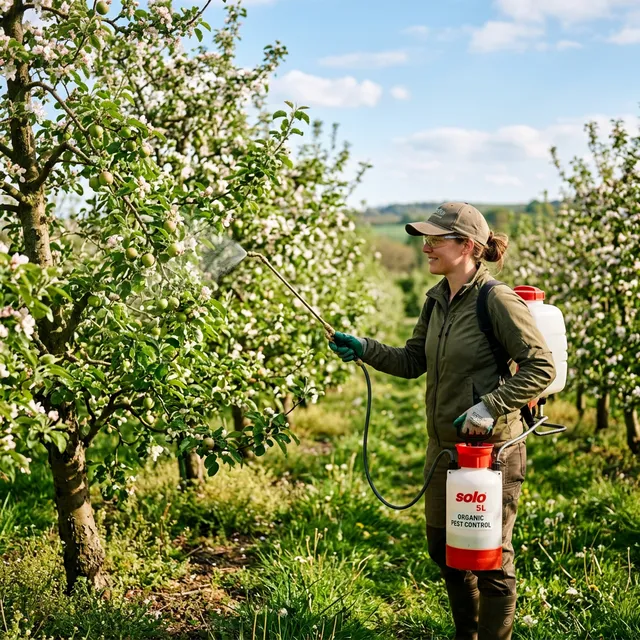
Small trees (under 10 feet): A standard 32 oz spray bottle works for spot treatment, but a 1-2 gallon pump sprayer provides better coverage.
Large trees (over 10 feet): Use a backpack sprayer or hose-end sprayer to reach upper canopy.
Technique
- Start from the interior. Pests hide where branches meet the trunk and on interior leaf surfaces.
- Work outward. Spray from the trunk toward branch tips.
- Don’t forget the bark. Scale insects and mite eggs overwinter in bark crevices.
- Underside coverage. Angle the spray to hit leaf undersides where most pests feed.
- Saturate. Spray until the solution drips off. Light misting is insufficient.
Critical Timing Rules
| Timing | Do / Don’t |
|---|---|
| During bloom | DON’T spray; harms pollinators |
| Early morning (pre-bloom) | DO spray; pollinators inactive |
| During extreme heat (>90°F) | DON’T spray; phytotoxicity risk |
| After rain | DO spray; many pests are exposed |
| Within 24 hours of harvest | DO spray; zero pre-harvest interval |
| On wet foliage | DON’T spray; dilutes soap below effective concentration |
Seasonal Fruit Tree Pest Calendar
| Season | Target Pests | Soap Strategy |
|---|---|---|
| Late winter (dormant) | Scale eggs, mite eggs | Dormant oil-soap spray on bark |
| Early spring (bud break) | Scale crawlers, aphids emerging | First soap applications |
| Bloom period | — | No spraying (protect pollinators) |
| Post-bloom to summer | Aphids, mites, whiteflies | Regular soap applications as needed |
| Late summer | Mites (peak), late-season aphids | Intensive treatment for mites |
| Fall | Declining pressure | Clean up; remove fallen fruit and leaves |
Combining Soap with Other Organic Treatments
For comprehensive fruit tree pest management, soap spray works alongside:
- Kaolin clay (Surround WP) creates a physical barrier on fruit against codling moth and plum curculio
- Bacillus thuringiensis (BT) targets caterpillar pests (codling moth larvae, leafrollers)
- Neem oil provides systemic, residual protection between soap applications
- Horticultural oil suffocates overwintering scale and mite eggs
- Pheromone traps monitor codling moth populations to time treatments
Fruit Tree Care That Reduces Pests
- Prune for airflow. Open canopies dry faster and discourage pest and disease buildup
- Clean up fallen fruit. Fallen fruit attracts pests and harbors diseases
- Water consistently. Drought-stressed trees attract spider mites and are less able to tolerate pest damage
- Thin fruit. Overcrowded fruit clusters create humid microclimates where pests thrive
- Plant diverse understory. Ground covers that attract beneficial insects provide free pest control
- Monitor regularly. Weekly walks around your trees catch problems early when soap spray is most effective
Garden Soap Team buying notes
A fruit tree is a reach and timing problem. Another RTU soap does not wet the interior canopy.
- When DIY is enough: Soft-bodied colonies you can actually cover — aphids, mite flare, citrus whitefly — are a 1–1.5 tablespoon-per-gallon castile mix in a pump sprayer. Buy Bt or kaolin when the pest is a moth or weevil. Buy dormant oil for overwintering scale eggs, not a summer soap pass on bare bark in July.
- Soft water vs hard water: Homemade mix in hard well water scums on fruit finish. Distilled or rainwater in the tank, or a labeled concentrate if you refuse jugs.
- Plant sensitivity: Plums and some cherries burn easier than apples. Patch-test. Never soap a wilted tree at noon.
- Concentration: ~1.5 tablespoons unscented castile per gallon for foliar; labeled concentrate at the printed fruit rate. More soap does not replace underside coverage.
How to mix and reach a fruit-tree canopy
Soap is a contact film. The tank has to finish the tree while the film is still wet on the pest.
- Mix in the sprayer, soap first. Kitchen foliar: 1.5 tablespoons unscented castile per gallon. Walkthrough ratios: how to make insecticidal soap. Labeled concentrate: the fruit / ornamental rate on that bottle.
- Optional neem only after a clean patch test. Emulsify oil with a little soap before it hits the tank. Combo card: neem oil insecticidal soap.
- Use a wand you can point up. The Chapin-style pump already linked above is the usual home-orchard tool. Trigger-bottle math is best spray bottles. Bed-and-tree hardware: best garden sprayers.
- Start at the interior, underside first. Trunk unions, sucker growth, and the back of the leaf are where aphids and scale crawlers sit.
- Empty the tank the same day. Do not park leftover dilution in a pump overnight. Hose-end “soap” settings cannot hold 1% — skip them.
Do not tank-mix soap with Surround, a copper, or a mystery orchard “all-in-one” unless that label says so. Apply those on different days.
Pests soap covers on fruit (and skips)
| Pest | Soap job | Buy something else when |
|---|---|---|
| Aphids, mites, whiteflies, psylla | Contact kill if you wet them | You only misted the pretty side of the canopy |
| Scale / mealybug | Crawler day only | Adults are armored or cottony — swab, oil, or crawler timing |
| Codling moth, plum curculio | Poor | Kaolin, Bt, sanitation — soap does not open a weevil |
| Slugs on fallen fruit | None | Sanitation; soap is not a bait |
Stage-honest pages: aphids, scale, spider mites, psyllids. If a listing promises “all fruit insects,” it is selling a category.
Phytotoxicity, bloom, and harvest timing
Fruit finish shows every mistake.
- Bloom is off-limits. Wet soap hits bees and other soft bodies on the flower. Wait for petal fall. Dawn passes before bloom are the exception, not a license to spray open blossoms.
- Heat. Above about 90°F, or on a wilted tree, skip. Water the root zone first, wait, soap another morning. Timing: when to spray.
- Sensitive hosts. Patch-test plums, some cherries, and any variety that bronzed last year. Desk list: plants sensitive to insecticidal soap.
- Stacked oils. Dormant oil in late winter and a heavy summer neem+soap tank are different jobs. Do not oil + soap a sunlit canopy in July “for extra stick.”
- Harvest. Fatty-acid soap is a same-day food-crop tool after a water rinse on most labels. That is not permission to spray and pick in midday heat. Check this bottle if you used a concentrate with extras.
Phytotoxicity tells: bronze speckle, crispy margins, sudden drop within 24–48 hours. Rinse, drop toward 1 tablespoon per gallon on that host, and check the nozzle. Safety: plant safety.
Buying criteria for orchard soap gear
Shop reach and the pest, not a “fruit tree spray” tile.
- Soap: unscented castile or a potassium-salt concentrate with a printed edible rate. Dish detergent on fruit is a wax-stripper — best soap for insecticidal spray. Brand concentrates: best insecticidal soaps.
- Sprayer: 1–2 gallon pump with a wand that inverts for trees under ~15 feet. Backpack only after a gallon is the bottleneck. Dedicated to soap.
- Neem: cold-pressed concentrate via tagged search, not a placeholder ASIN. Compare bottles on best neem oil products.
- Not-soap SKUs: Bt for caterpillars, kaolin for moth/weevil pressure, horticultural oil for dormant bark. Those are different purchases — organic pesticides.
- Water: rainwater or distilled if the kettle scales. White film on fruit is often minerals, not a failed brand.
Kitchen vs labeled spend: homemade vs commercial.
Fruit-tree questions that are not generic spray FAQ
Can kids pick fruit the same afternoon you soaped? If you used plain fatty-acid soap or kitchen castile and you rinse the fruit, that is the usual same-day story. Keep people and pets out of the wet canopy until it dries. If the bottle also contains pyrethrin or a mystery “plus,” the label wins.
If it rains an hour after you finish the west side? The film washed off. Finish the dry side when you can; respray the wet side after it dries. You do not need 48 hours of sun — you need contact on the pest.
Should leftover mix stay in the pump for Saturday’s other tree? No. Dump it. Mixed soap separates and clogs seals. Mix fresh for the next canopy.
Frequently Asked Questions
Is insecticidal soap safe for fruit trees? ▼
Yes. Insecticidal soap is safe for apple, pear, cherry, peach, citrus, and most other fruit trees. It has a zero-day pre-harvest interval, so you can spray and harvest the same day. Avoid spraying when temperatures exceed 90°F.
When should I spray insecticidal soap on fruit trees? ▼
Spray when you see active pest infestations, typically from bud break through harvest season. Early morning (6-9 AM) is ideal. For scale insects, time your spray to crawler emergence in spring. Avoid spraying during bloom to protect pollinators.
Can insecticidal soap hurt fruit tree leaves? ▼
At proper concentrations (1-2 tablespoons per quart), phytotoxicity is rare on fruit trees. However, some varieties (especially plums and certain cherry cultivars) can be sensitive. Always do a patch test on a few leaves and wait 48 hours before full application.
 ✓
✓ The Garden Soap Team writes every recipe and guide on this site. Formulas follow published horticultural guidance — university extension resources, the UC IPM program, and OMRI standards — and we cross-check concentrations and plant-safety warnings against documented gardener experience before publishing. No harsh chemicals, no guesswork passed off as expertise.
📚 Related Articles
 guides
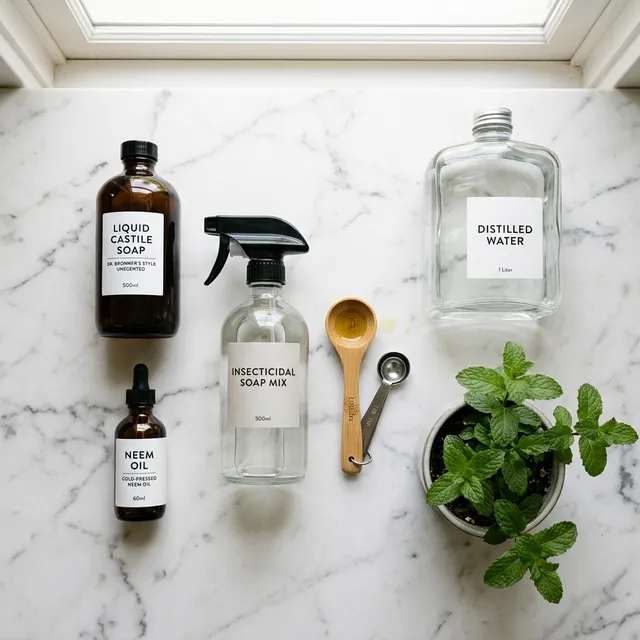
How to Make Insecticidal Soap at Home
Core 3-ingredient method: 1 tablespoon unscented castile per quart, leaf-underside coverage, and the mixing mistakes that burn plants.
 guides
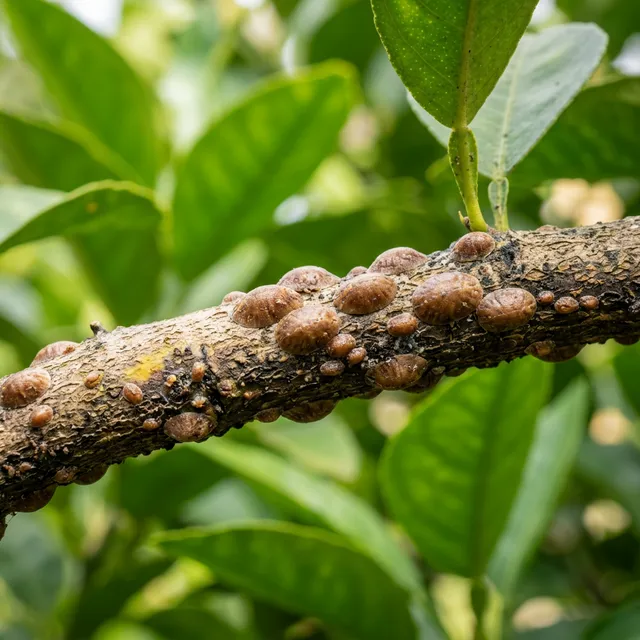
Insecticidal Soap for Scale Insects
Scale insects look like bumps on stems rather than bugs. Their hard or waxy shells make them tricky to treat, but insecticidal soap works when applied at the right life stage.
 guides
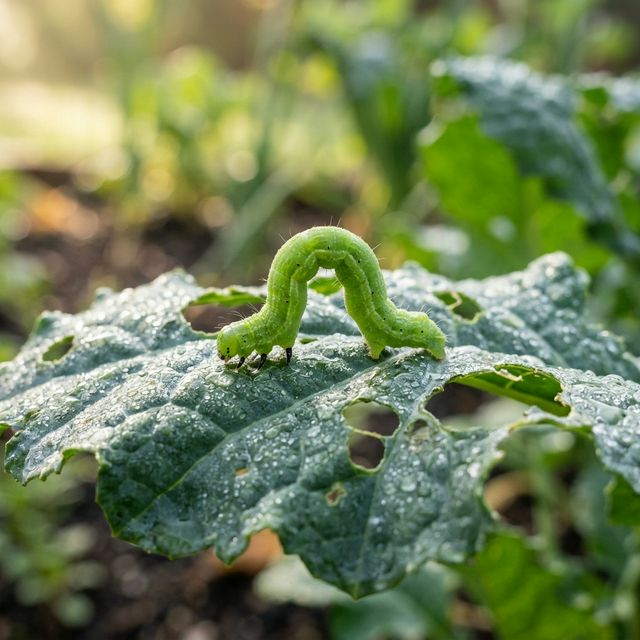
Insecticidal Soap for Aphids
Aphids die on contact if you wet the colony and the leaf underside. Coverage, 5–7 day repeats, and when to add neem instead of more soap.