Emerald Ash Borer Treatment: Where Soap Fits (and Doesn't)
Garden Soap Team
· 8 min read
The Honest Answer First
Emerald ash borer (EAB) is the most expensive wood-boring insect pest a North American homeowner with an ash tree will ever face, and the honest answer about where insecticidal soap fits is: it doesn’t.
EAB larvae — the stage that kills the tree — feed in S-shaped galleries under the bark, in the cambium layer that no contact spray wets. Insecticidal soap is a contact product for soft-bodied pests with zero residual once dry, as we lay out in how to make insecticidal soap. Spraying a soap mix on an ash trunk does nothing to the larvae inside it. This is not a close call or a matter of the right concentration. It is a different tool class entirely, which is exactly why the extension world treats EAB as a systemic insecticide problem.
This page is our desk summary of what USDA and university extension guidance actually says about treating ash trees, written for the gardener who got here from a soap search. The short version: systemic trunk injections, a treat-vs-remove decision, and an applicator conversation — not a bottle of anything from the garden shelf.
What Emerald Ash Borer Actually Does
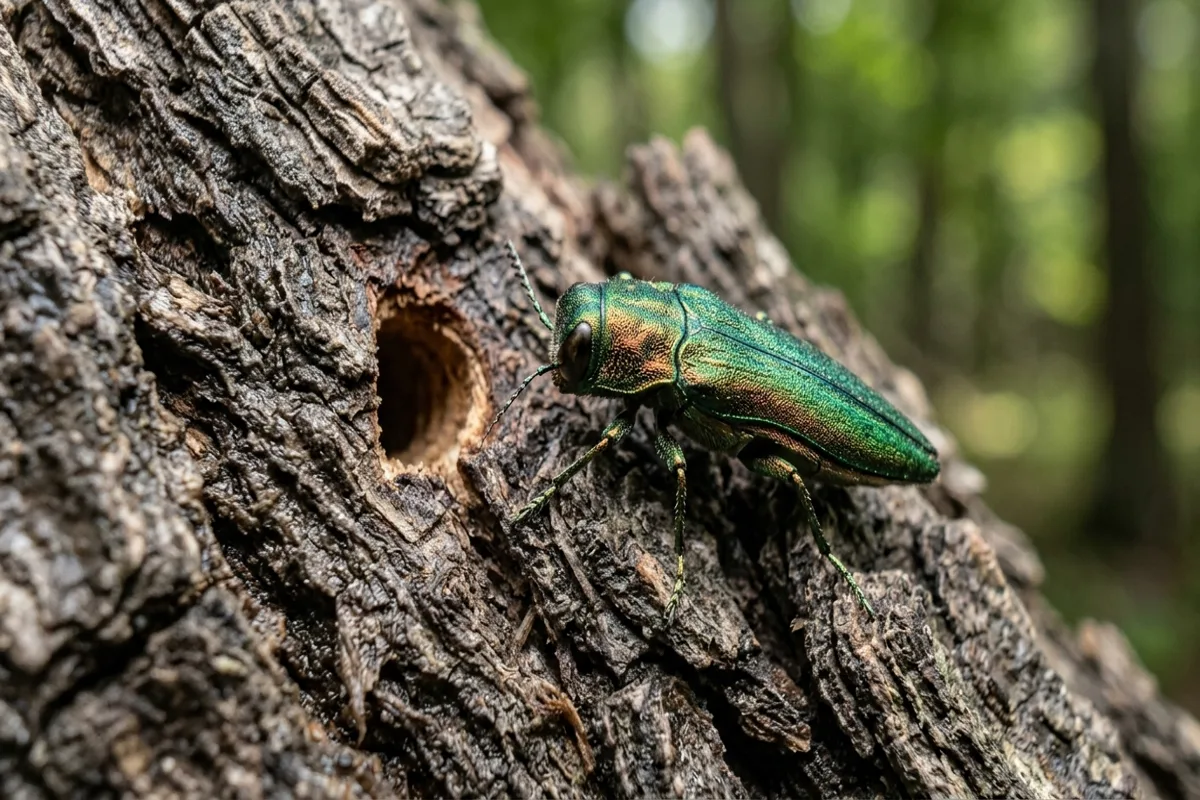
EAB adults are small metallic-green beetles that lay eggs on ash bark. The larvae tunnel under the bark and feed on cambium — the thin living layer that moves water and sugars. Girdled from the inside, the tree dies over a few seasons. Signature signs extension sources repeat:
- Canopy thinning and dieback starting at the top
- Epicormic shoots — leafy sprouts pushing from the lower trunk
- D-shaped exit holes in the bark, about an eighth of an inch
- S-shaped larval galleries visible under loose bark
- Split bark and blonding from woodpecker foraging
The USDA Animal and Plant Health Inspection Service and the Emerald Ash Borer Information Network coordinate the national response and host the extension consensus. Woodpecker damage visible from the street is often the first homeowner-noticed sign — by which point the infestation is usually a few years old.
What Extension and USDA Guidance Actually Recommends
The control consensus has been stable for years, and it is systemic:
| Method | What it is | Realistic context |
|---|---|---|
| Emamectin benzoate trunk injection | Applicator drills and injects product into the trunk; tree distributes it | The extension-preferred option for valuable trees; multi-year protection per treatment cycle |
| Imidacloprid soil drench | Systemic taken up by roots | Homeowner-labeled in some regions; commonly positioned for smaller-diameter trees |
| Dinotefuran basal trunk spray or soil application | Faster-uptake systemic | Professional use; often used on larger trees in municipal programs |
| Tree removal | Cut before the tree becomes hazardous | The default for trees past the treatment threshold |
Two honest framing notes from that table. First, injection works because it puts the insecticide where the larvae feed — inside the tree’s transport system. That is the same logic that makes a contact spray structurally irrelevant. Second, treatment is protective, not resurrective: extension programs generally describe good outcomes when treatment starts while the canopy is still mostly intact, and poor odds for trees already half gone.
The Treat-vs-Remove Decision Tree
This is the decision that actually matters for a homeowner with an ash tree, and it is mostly a tree-health and money calculation.
Lean toward treating when:
- The tree is still vigorous — thinning well under the commonly cited extension threshold (programs often use a 30 to 50 percent canopy-loss ceiling)
- It is structurally sound and in a spot where its loss matters: shade over the patio, the yard’s anchor tree, part of a windbreak
- You are prepared for a repeating cost, not a one-time fix — injections run on a multi-year cycle for the life of the local outbreak
- EAB is confirmed nearby but your tree is not yet heavily infested — this is the sweet spot for systemic protection
Lean toward removing and replacing when:
- The canopy is already substantially thinned — treatment odds drop sharply
- The tree has structural faults, or stands within falling distance of people, structures, or driveways. Dead ash are notoriously brittle and shatter unpredictably; removal gets more dangerous and more expensive every season after death
- The tree is small, weedy, or in a spot where you would rather have diversity — replacing with a non-ash species ends the worry permanently
- Treatment bids come in above what the tree is worth to you; that is a legitimate household decision
Do not fall for the middle option that tempts everyone: doing nothing this year to “see how it looks.” An untreated ash in an infested region is a standing removal bill on a timer, and the falling-apart version costs more to take down.
What Products Cost (Research Bands, Not Quotes)
We do not sell systemic insecticides on this soap site, and we will not pretend to a live price sheet. Honest bands from extension program materials and homeowner reports, clearly labeled as research bands:
- Professional trunk injection: typically priced per inch of trunk diameter (at about 4.5 feet), commonly landing around $100–$300 per treatment for a typical yard tree, recurring every one to two years depending on product and program
- Homeowner soil drench products (where labels and local rules allow): tens of dollars per application per tree for small-diameter trees, with strict label limits on how much active ingredient can go down per year
- Removal: varies enormously by size, access, and danger — often several hundred to a few thousand dollars, higher for hazardous dead ash near structures
- Replacement tree: nursery stock plus establishment care
The comparison that matters is not treatment versus nothing. It is treatment-versus-removal, over the length of your local outbreak, plus the value of the shade. Many extension cost sheets end up in the same place: for a healthy, well-placed tree, injection programs often beat removal economics; for a struggling tree, removal earlier is cheaper than removal later.
Where Soap and Other Garden Products Honestly Fit
To be complete about our own shelf: insecticidal soap is the right tool for soft-bodied garden pests — mealybugs, aphids, mites, the squash bugs you catch as nymphs. It is not an EAB product in any concentration, and we would rather say that plainly than sell you a wrong-tool bottle.
Adjacent honest notes:
- Adult EAB beetles on foliage can, in principle, be contacted by sprays — but adults cause negligible harm compared to larvae, they fly, and no extension program lists foliar contact sprays as meaningful EAB control. Do not let a label’s fine print turn a garden spray into an ash-tree plan.
- Prevention is horticultural, not chemical: keep the tree watered in drought, avoid trunk wounds, never move firewood — the last one is the single biggest human behavior extension agencies ask for, since EAB spreads primarily in cut wood.
- Woodpeckers are not a control, though their foraging is often the first visible sign that larvae are present.
If your real pest problem is garden-level rather than tree-cambium-level, the product decision tree lives on best organic pesticides for vegetable gardens.
Don’t Treat It Yourself
A note on the DIY instinct, since you are reading a DIY-lean site: systemic ash treatment done badly wastes money at best and contaminates soil or water at worst. Professional products, injection equipment, and dosing-by-diameter math are why certified applicators exist. Many counties run EAB task forces or municipal cost-share programs; your state extension office (find yours via USDA) can tell you whether one covers your street. That call is free and is the highest-value fifteen minutes in this decision.
Frequently Asked Questions
When should treatment start?
Before the tree is visibly failing. Extension materials commonly describe treatment as most worthwhile when canopy loss is under about 30 percent, with declining value past 50 percent. If EAB is confirmed within a few miles of you and you have a healthy ash you want to keep, that conversation is worth starting now rather than after dieback.
How long does a treated ash tree need to stay on a program?
For the duration of the local EAB outbreak, which in practice means years of repeating cycles — emamectin benzoate injections commonly on a two-year cadence, soil drenches annual. Some programs discuss stepping down once regional ash mortality peaks and the pest population crashes, but a treated tree left unprotected in an active outbreak area is back at risk.
Are EAB treatments safe for bees and the yard?
Systemics move inside the tree; that is why they work and also why their ecological profile is a real conversation. Ash are wind-pollinated, which extension guidance notes lowers the pollinator exposure of treating an ash specifically, and soil-applied neonicotinoids carry label restrictions aimed at protecting pollinators and water. Bring beekeeping, ponds, and wells up with the applicator before anything goes in the ground.
Can I protect a small young ash I just planted?
You can, but honest question first: in an infested region, why plant an ash? Most extension guidance now steers homeowners toward replacement diversity. If a young ash is already established and small enough for homeowner-labeled soil drenches where legal, that is the one EAB treatment category a non-professional can do correctly by following the label exactly.
What about the wasps they release for EAB?
Biological control — releasing parasitoid wasps that attack EAB eggs and larvae — is a real USDA program, but it is an areawide, research-driven strategy for slowing the pest in forests, not a service you can buy for a yard tree. It does not change the treat-or-remove decision in front of you.
Frequently Asked Questions
Does insecticidal soap work on emerald ash borer? ▼
No. Insecticidal soap is a contact spray for soft-bodied pests, and emerald ash borer larvae feed inside the tree under the bark where no spray reaches them. Extension and USDA guidance for EAB centers on systemic insecticides delivered as trunk injections, basal soil drenches, or trunk sprays.
What is the most effective emerald ash borer treatment? ▼
University and USDA guidance consistently points to trunk-injected emamectin benzoate for multi-year protection on trees worth saving, with imidacloprid soil drenches as an option for smaller trees in some programs. Effectiveness depends on starting while the tree still has a healthy canopy.
Should I treat my ash tree or remove it? ▼
Treat when the tree is healthy, structurally sound, and valuable to your landscape — the commonly used extension threshold is under roughly 30 to 50 percent canopy thinning. Remove and replace when the tree is already heavily thinned, damaged, or a hazard near people or structures. Dead ash become brittle quickly and are dangerous to climb or fell.
How much does ash borer treatment cost? ▼
Trunk injection by a certified applicator is typically priced by trunk diameter, with homeowner-reported costs commonly in the range of several dollars per inch of diameter every one to two years — often around $100 to $300 per treatment for a typical yard tree, varying by region. Those are research bands, not a quote. Get local bids.
 ✓
✓ The Garden Soap Team writes every recipe and guide on this site. Formulas follow published horticultural guidance — university extension resources, the UC IPM program, and OMRI standards — and we cross-check concentrations and plant-safety warnings against documented gardener experience before publishing. No harsh chemicals, no guesswork passed off as expertise.
📚 Related Articles
 guides
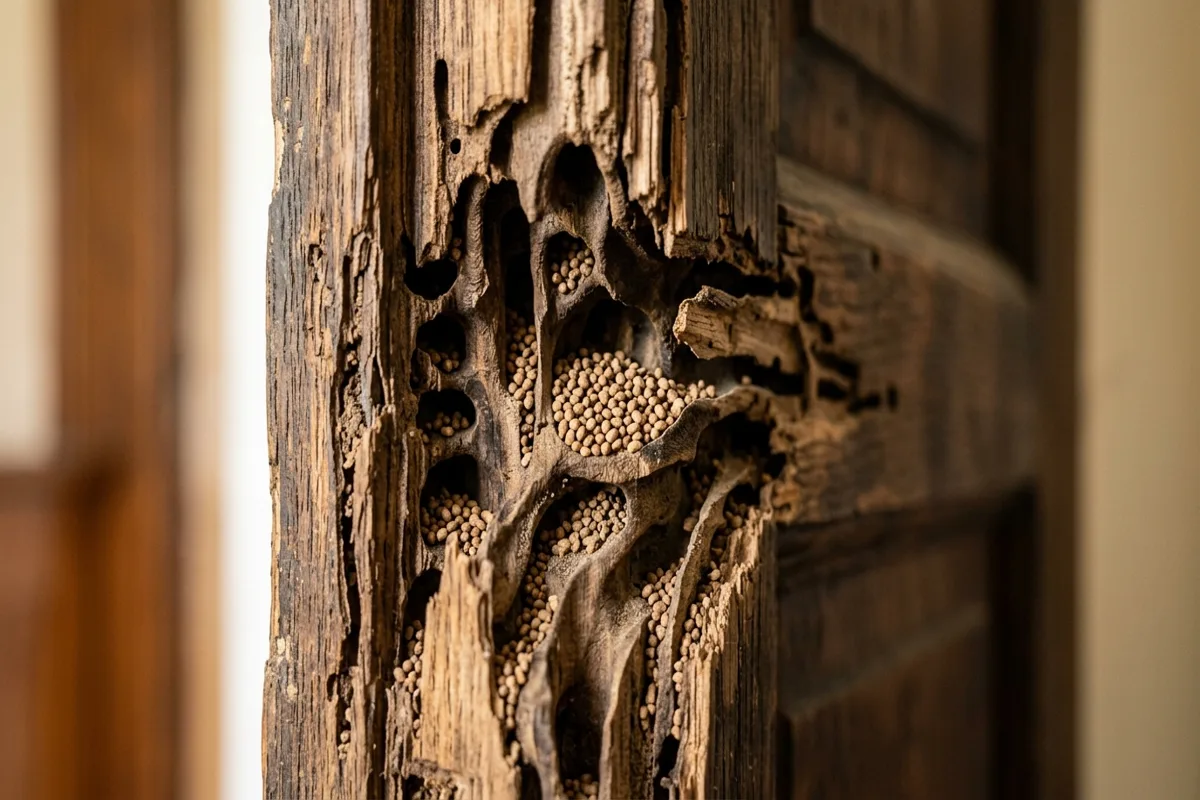
Termite Spray vs Insecticidal Soap: What Actually Works
Insecticidal soap is a contact product for soft-bodied pests and does very little to a termite colony. Here is what extension sources say actually treats termites, and when a DIY spray is legitimate.
 guides
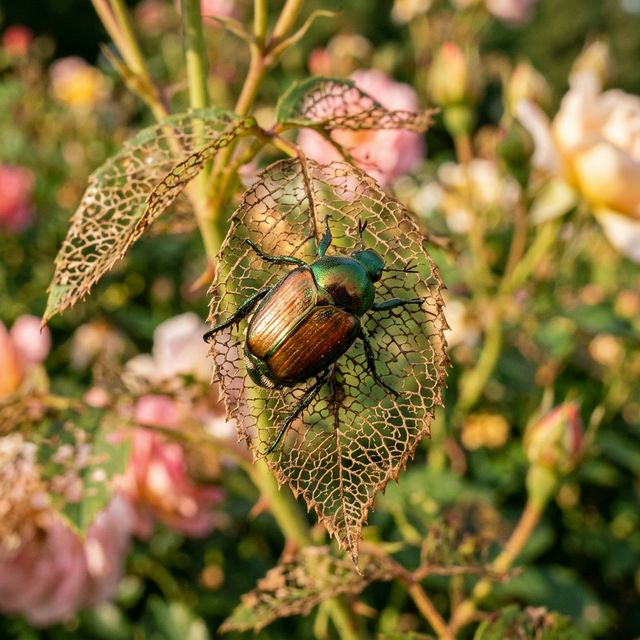
Insecticidal Soap for Japanese Beetles
Japanese beetles are armored pests that resist insecticidal soap. Learn what actually works to stop them from skeletonizing your roses, grapes, and garden plants.
 guides
Diatomaceous Earth for Gardens: Complete Guide
How to use food-grade diatomaceous earth in your garden for slugs, ants, beetles, and more. Application methods, safety tips, and limitations.