Insecticidal Soap for Lace Bugs: Underside Spray Timing That Actually Works
Garden Soap Team
· 8 min read
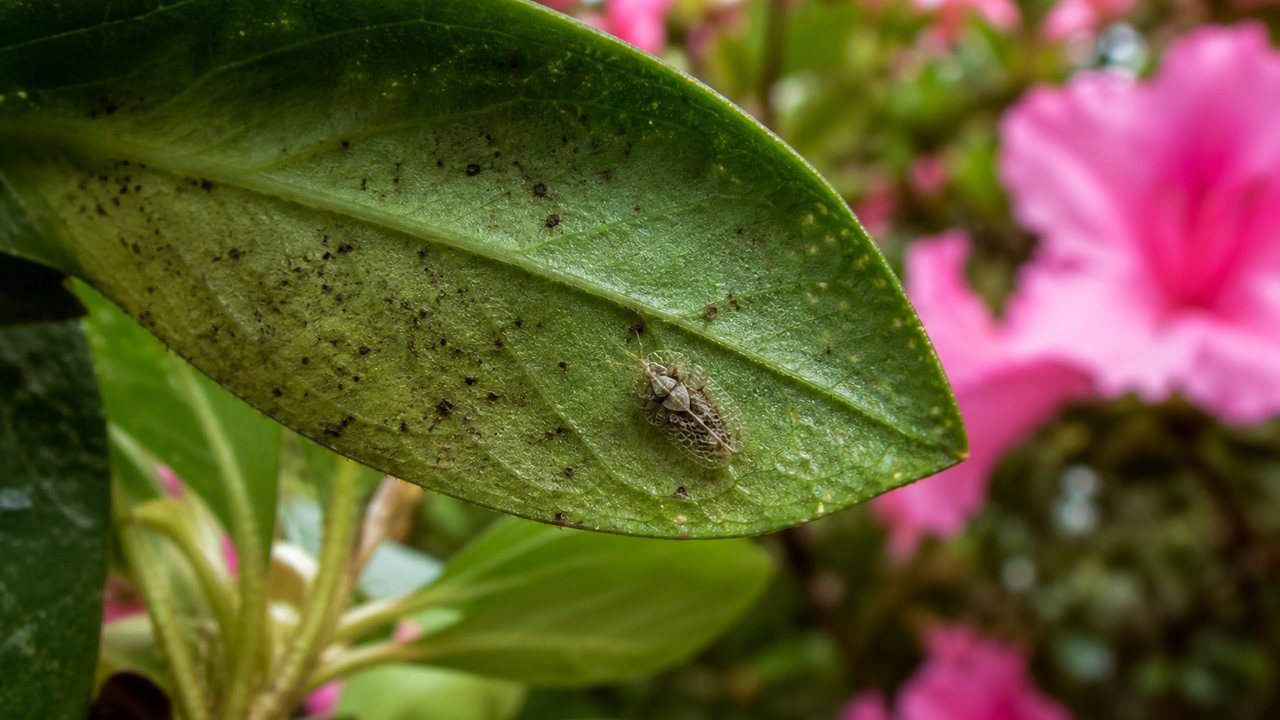
Lace bugs are one of the few landscape pests university soap pages name on purpose. UConn’s insecticidal-soap factsheet lists lace bugs with aphids, mealybugs, and whiteflies — then uses azalea lace bug as the worked example: all stages sit on the leaf underside, eggs are immune, and a topside spray is a wasted walk to the shrub.
That is the SearchGAP. Most consumer results are either a generic “what soap kills” list that never mentions lace bugs, or an azalea-care page that jumps from “stippled leaves” to a neonicotinoid drench. A dedicated insecticidal soap protocol — rate, underside technique, first-generation window, and azalea burn risk — is still thin.
The Garden Soap Team page is that protocol. The 3-ingredient mix stays on how to make insecticidal soap at home. This URL is the pest and the clock: azalea (and lookalike boxwood) stipple, underside aim, and the first-generation hatch window. Miss the timing and you are soaping empty bronze leaves in July.
Underside spray timing that actually works
Soap does not fail on lace bugs because the recipe is wrong. It fails because the spray hits the wrong surface, or the right surface in the wrong week.
The surface. Every stage UConn names — nymph, adult, egg plug — sits on the lower leaf surface. Maryland Extension repeats it for shrubs: monitor the underside; cover the underside. A downward pass across the pretty side of an azalea treats stipple you can already see and misses the insects making it.
The week. Clemson: good control of the first generation (March–May) in the South cuts later pressure. Virginia: treat azalea lace bug from mid-May to mid-June, often two sprays; a second brood builds in August–September on sun plants. Cooler states hatch later. The Garden Soap Team clock is not a national date. It is: weekly underside scout from early spring → spray the first pale, spiny nymphs → repeat at 7–10 days → stop when two scouts show no new nymphs.
Why two (or three) passes. Eggs are inserted in the leaf and capped with varnish. NC State: soaps and oils are toxic to nymphs and adults, not eggs, and they leave no residual. A single “I sprayed the hedge Saturday” pass leaves the next hatch. That is the interval, not a stronger detergent.
Clock vs. clock on a mixed foundation bed. Azaleas and boxwoods are often planted as one south-facing strip. The azalea bronze is usually Stephanitis. The boxwood bronze is usually something else (see the boxwood note below). Time soap to the azalea underside hatch. Do not copy that date onto the boxwood without flipping a leaf.
Hours of the day. Morning or evening, foliage not drought-wilted, air under 90°F. Slow drying keeps the film wet — the only hours it kills. Rain the same afternoon is a redo. When to spray insecticidal soap is the general timing page; this page is the lace-bug exception: underside + first nymphs, not “anytime the shrub looks faded.”
What a lace bug is
Lace bugs are true bugs in the family Tingidae. They are not beetles, not mites, and not leafhoppers. Adults are about 1/8 inch long, flattened, and look like they were stamped from lace: transparent wings with a dark, ornate vein network. Nymphs are darker, spiny, and wingless. Both stages pierce leaf cells from below and suck out the contents.
Common landscape species:
| Common name | Scientific name | Hosts you actually own |
|---|---|---|
| Azalea lace bug | Stephanitis pyrioides | Evergreen and deciduous azaleas; the usual suburban call |
| Rhododendron lace bug | Stephanitis rhododendri | Rhododendron, sometimes mountain laurel |
| Andromeda lace bug | Stephanitis takeyai | Japanese andromeda (Pieris) |
| Hawthorn lace bug | Corythucha cydoniae | Hawthorn, cotoneaster, quince, pyracantha, some crabapple |
| Sycamore lace bug | Corythucha ciliata | Sycamore and London plane |
| Oak lace bug | Corythucha arcuata and relatives | Oaks; late-summer bronzing on street trees |
The insect on an azalea in full sun is almost always S. pyrioides. The insect on a hawthorn hedge is a Corythucha. The spray math is the same. The host-sensitivity math is not — azaleas burn more easily than a mature oak.
Damage: stipple on top, varnish underneath
Gardeners notice the upper leaf first. Cells emptied by feeding turn yellow-white. Heavy feeding goes bronze, then silver-gray, then the leaf drops. From the street an azalea looks faded, as if it needed fertilizer. Flip a leaf.
Underside signs that close the ID:
- Shiny black or dark-brown specks — dried excrement, often called varnish or tar spots
- Adults that look like tiny stained-glass windows
- Clusters of spiny nymphs along the midrib
- Eggs inserted in leaf tissue and capped with a dark varnish plug. You will not see a neat egg raft the way you do with squash bugs
Not spider mites. Spider mite stippling can look similar on the upper surface. Mites leave fine webbing and dust-like cast skins. They do not leave black varnish dots. No webbing plus varnish plus a lacy adult is lace bug. Soap treats both, but the schedule and the plant list differ.
Not leaf scorch or drought alone. Drought bronzes a whole shoot more evenly and does not put tar specks on the underside. Lace bug damage is speckled, then blotchy, and it is worse on the sunny side of the shrub.
Not leaf miners. Miners tunnel inside the blade. Lace bugs never enter the leaf; they only pierce it.
Why soap is a first-line tool here
Fatty-acid salts disrupt cell membranes on contact. Lace bug nymphs are soft-bodied. Adults have lacy wings, not beetle elytra. Clemson’s azalea lace bug page states it without hedging: insecticidal soap and horticultural oil sprays are extremely effective when they coat the insect. UConn agrees on nymphs and is explicit about the two failure modes: eggs, and any bug the spray never touches.
That is a different story from hard-bodied pests on this site. Japanese beetles walk out of a soap film. Lace bug nymphs do not.
Limits the Garden Soap Team will not sand off:
- Contact only. A lace bug that walks onto a dry leaf after the film dries is unharmed. So is a pollinator that arrives later — which is why soap is the pollinator-safer tier compared with a residual pyrethroid or a systemic drench.
- Eggs are out of reach. They sit in the leaf under a varnish cap. Soap has little or no ovicidal activity. The next hatch is a calendar event, not a surprise.
- Underside or nothing. UConn: spraying only the upper surfaces has no effect.
- Azalea phytotoxicity. Clemson’s general soap factsheet lists azaleas among plants that are somewhat sensitive. The site’s plants sensitive to insecticidal soap guide puts azaleas in the half-strength / cool-shade column. A 2% “heavy infestation” mix on a sun-stressed Kurume azalea is how you trade lace bugs for brown edges.
Where soap earns the morning
- First-generation nymphs in spring, before adults disperse and oviposit
- Repeat passes every 7–10 days through that hatch window
- Hawthorn, cotoneaster, and oak lace bugs on the same contact logic
- Mixed soft-bodied pests on the same shrub (azalea also hosts mites and occasional whiteflies)
- As a rinse for honeydew and sooty mold after the kill — soap is also a leaf wash
Where soap is the wrong first move
- A bronze shrub in August with no underside check. You may be staring at last generation’s empty leaves. Confirm live nymphs or adults before you spray.
- Daily “preventive” soaping. Repeated films accumulate burn, especially on azalea. CSU’s soap bulletin warns that leaf injury can build with frequent applications even inside the 1–2% range.
- Dish detergent or alcohol kitchen mixes. Those are detergents and solvents, not potassium-salt insecticides. They raise burn risk on a plant that is already on the sensitive list. The last-resort warning lives on Dawn dish soap insecticidal spray.
- Skipping shade and water. Lace bugs and soap burn both prefer a drought-stressed azalea in afternoon sun. Water the root zone the day before you spray. When to spray is the timing page: morning or evening, not a 95°F deck.
If a correctly aimed spray still does nothing, use insecticidal soap not working — hard water, coverage, and pest identity — before you raise the percentage.
The 1% mix for lace bugs (azalea-safe starting rate)
Do not rewrite the frozen how-to here. For lace bugs the Garden Soap Team publishes a 1% starting rate because the host is often an azalea.
- 1 quart distilled water or rainwater
- 1 tablespoon unscented liquid castile soap — Dr. Bronner’s Unscented Baby-Mild is the usual unscented bottle
- A sprayer that can point up. A 32 oz glass spray bottle with a fine-mist setting works on a young shrub. A pump sprayer with a wand that inverts is the hardware for a mature rhododendron.
Optional after a clean patch test: 1 teaspoon cold-pressed neem oil as sticker and anti-feedant. The combo card is neem oil insecticidal soap. Neem does not replace underside coverage. Soap vs neem is the split: soap for the nymphs you can wet today; neem if you want feeding disruption between passes.
Hard water binds fatty acids into scum and leaves white residue on glossy azalea leaves. Soft water is chemistry, not a rain-barrel story. If tap is all that is available, the how-to’s vinegar note applies to the water, not as a vinegar insecticide.
Do not add isopropyl alcohol to “help it stick.” Alcohol plus a moderately sensitive shrub is how you get necrotic edges that look like a worse infestation.
Application that actually hits Tingidae
- Water the plant first if the soil is dry. Wilted foliage burns.
- Patch-test two leaves per cultivar. Wait 48 hours. Azalea named varieties do not share one cuticle.
- Spray in shade — early morning or evening, air below 90°F. Slow drying keeps the film wet longer, which is the entire mode of action.
- Work from the inside out. Lift branches. Aim the nozzle at the underside. Coat until drip. Then hit the tops — not because the bugs live there, but because you will miss a flipped leaf if you only ever aim one direction.
- Rinse if edges flag within a few hours. Clemson’s soap factsheet says to follow a wilt or browning reaction with a clean water spray. That is a rescue rinse, not a reason to skip the 48-hour test.
- Mark the calendar. 7–10 days later, scout again. Eggs laid before the first spray will have hatched.
A labeled potassium-salt concentrate is the option if you do not want to measure. Compare bottles in the best insecticidal soaps notes and stay on the ornamental rate. Homemade castile is not a registered pesticide; commercial soap is. Either way, the underside rule does not change.
Life cycle: why the first generation is the whole season
Azalea lace bugs overwinter as eggs in last year’s leaves on evergreen azaleas. Nymphs hatch in spring. UConn’s point is operational: scout for hatch, then treat nymphs. Adults that escape lay more eggs. In warm regions you get multiple overlapping generations through fall. In cooler regions you may get two. Each missed spring nymph becomes midsummer bronze.
Hawthorn and sycamore lace bugs follow the same contact logic with different calendars — often later, and often on the sunny, stressed side of the canopy.
A practical spring sequence the Garden Soap Team publishes from those extension notes:
| Window | Action |
|---|---|
| Late winter | Walk last year’s worst shrubs. Note which sides face south and west. Plan shade or a new site for replacements. |
| Early spring, bud swell | Begin weekly underside checks on sunny azaleas and Pieris. A 10× hand lens helps. |
| First pale nymphs | 1% soap, full underside coverage, after a patch test |
| +7–10 days | Scout. Respray if nymphs are present. Do not spray on a schedule if the underside is clean. |
| Bloom | Keep soap off open flowers when bees are working. Dawn or dusk only. Soap is contact-toxic to a bee that is on the leaf while you spray, and not residual after it dries. |
| Early summer | Second generation watch. Repeat the nymph pass if counts rise. |
| High summer | If leaves are already silver and empty, spraying soap will not green them. Focus on live bugs on remaining green tissue and on next year’s siting. |
| Fall | Do not expect soap to sanitize overwintering eggs. Sanitation is limited on evergreen azaleas because the egg is in a leaf you still want on the plant. |
Growing-degree-day tables exist for azalea lace bug in some states. They are local. A weekly flip of three leaves on the sunny side beats a national date.
Cultural controls that make soap enough
Soap is the contact tool. The population is a siting problem.
Sun is half the outbreak. Azalea lace bug pressure is consistently worse on plants in full afternoon sun. The same cultivar in morning sun and afternoon shade often stays below a spray threshold. When a shrub is due for replacement, move it — or replace it with a more shade-tolerant azalea or a different genus. Extension azalea pages repeat this before they name a chemical.
Water and mulch. Drought-stressed leaves taste better to piercing insects and burn faster under soap. A two-inch mulch ring, kept off the main stems, evens moisture. This is plant care, not a pesticide.
Air and crowding. A wall of azaleas against a south foundation is a lace bug greenhouse. Thin for airflow so you can actually reach undersides with a wand. If you cannot get a nozzle to the interior, you cannot soap that interior.
Predators. Assassin bugs, lacewings, spiders, and some predatory mites eat lace bug nymphs. Broad-spectrum residuals erase that help. Soap, used on a nymph window and then left alone, fits how to attract beneficial insects better than a monthly pyrethroid. Do not soap a shrub that is covered in lacewings the morning you planned to spray; wait a day.
Horticultural oil is the other contact material Clemson pairs with soap. Summer oil rates are a label read, not a kitchen pour. Oil has the same underside rule and its own burn window in heat. Do not stack oil and soap in the same tank unless a label says to. Alternate weeks if you need a second mode of action.
Systemics last. Imidacloprid and dinotefuran drenches show up on almost every azalea lace bug page because they work for a season. They also move into nectar on a plant that bees use. The Garden Soap Team does not write a homemade systemic. If a specimen shrub is still bronzing after two properly aimed soap generations, a licensed or labeled systemic is a last resort — applied according to that label, and not as a substitute for shade.
Row covers make sense on vegetables. They do not make sense on a blooming azalea you planted to be seen. Physical control here is a jet of water on the underside to knock nymphs down before a soap pass, plus siting. Raised-bed pest prevention is the vegetable-barrier page; leave it for flea beetles and cabbage moths, not Tingidae on shrubs.
Host-by-host notes
Azaleas
This is the call that fills inboxes. Evergreen types hold overwintering eggs on the plant. Deciduous types drop some of that history in the fall. Both bronze in sun.
Spray protocol: 1%, patch test, underside, 7–10 day nymph window. After bloom, keep dusk sprays if bees are still working leftover flowers. Do not chase last year’s silver leaves back to green. New growth that stays green is the success metric.
If a cultivar burns at 1%, drop to 1.5 teaspoons per quart (about 0.5%) and accept that you will need a more thorough wetting and maybe an extra pass. That half-rate lives on the sensitivity guide.
Boxwood next to the azaleas
This is the pairing the search query keeps gluing together, and it is usually two pests sharing one bed.
Boxwood does not host azalea lace bug. Stephanitis pyrioides is an azalea (and sometimes rhododendron) specialist. A boxwood that looks “laced” or blistered is far more often:
- Boxwood leafminer — orange maggots inside the leaf. Soap never reaches them. See insecticidal soap for leaf miners.
- Boxwood psyllid — cupped, stunted tips. Nymphs sit in those cups; a soap film can hit exposed nymphs but not a sealed cup.
- Mites — fine stipple, sometimes webbing, no black varnish dots. Use the spider mite soap guide.
What to do on a mixed hedge. Flip three azalea leaves and three boxwood leaves on the sunny side. If the azalea has lacy adults and tar specks, run the underside nymph clock on the azalea. If the boxwood has mines or cups, do not add a second soap percentage “for lace bugs.” You will burn boxwood (it is on the site’s generally-tolerant shrub list, but leafminer still laughs at soap) and miss the real pest.
If a true lace bug adult is sitting on boxwood after walking over from a bronze azalea, a contact film still only kills what it wets. It does not start a boxwood lace-bug life cycle that extension pages do not describe. Treat the azalea source and the underside timing. That is the Garden Soap Team read, not a new species.
Rhododendron and mountain laurel
Larger, thicker leaves hide nymphs deeper in the canopy. A quart trigger bottle will not finish a six-foot rhododendron. Use a pump sprayer and a wand. Same 1% start. Large-leaf rhododendrons can be oil-sensitive in heat; keep applications in the evening.
Japanese andromeda (Pieris)
Andromeda lace bug is a separate Stephanitis species with the same underside habit. Pieris is a spring-blooming nectar plant. Time the first soap pass to nymphs, and keep spray off open racemes during the day.
Hawthorn, cotoneaster, quince, firethorn
Hawthorn lace bug bronzes a hedge from the top down. These hosts are usually less soap-sensitive than azalea, but hawthorn itself appears on some soap-sensitivity lists. Patch-test. A hedge is a coverage problem: walk both sides or you treat a façade.
Sycamore and oak
Street-tree lace bugs are a ladder-and-wand job. Soap is still valid on low branches and young trees. A mature canopy is why cities talk about systemics. For a backyard oak you can reach, nymph timing still beats a midsummer panic spray of dry, empty leaves.
Houseplants and patio tropicals
Some greenhouse lace bugs show up on lantana and other ornamentals. Lantana is on the avoid soap list. Do not copy the azalea 1% mix onto lantana. Use a water wipe, isolation, and a labeled ornamental product that names both the plant and the pest.
Seasonal calendar (home landscape)
| Season | Lace bug task | Soap? |
|---|---|---|
| Late winter | Map last year’s bronze shrubs and sunny walls | No |
| Early spring | Weekly underside scout; patch-test mix | Get the bottle ready |
| First nymph hatch | Full underside 1% spray | Yes |
| 7–10 days later | Scout and repeat if live nymphs | Yes if needed |
| Bloom | Dusk only; skip flowers bees are on | Limited |
| Early summer | Second-generation scout | Yes on hatch |
| Heat waves above 90°F | Pause soap; water roots; wait for a cool evening | Not midday |
| Late summer bronze | Confirm live insects before spraying | Only if they are present |
| Fall | Notes for next year’s shade or replacement | No egg kill |
Rain washes soap off. A storm the same afternoon as a spray is a redo, not a mystery failure. There is no residual to “activate” later.
Listing checks before you buy
Lace bug listings sell “azalea insect killer” as if one drench closed the life cycle. These are Garden Soap Team label checks — not an in-house product trial.
- Soap: unscented liquid castile, no “ultra,” no antibacterial, no moisturizer. Selection notes: best soap for insecticidal spray. The Associates tag on this site is
soapgarden06-20only. - Rate: 1 tablespoon per quart (~1%) on azalea and rhododendron. 2% is the top of the extension soap range and the burn edge on those hosts.
- Sprayer: must wet undersides. A downward-only trigger is the wrong tool. Hardware notes: best spray bottles for garden use.
- Neem: cold-pressed if you want azadirachtin. Clarified hydrophobic extract is a different label. Compare concentrates in the neem buying notes.
- Systemics: if a label names imidacloprid or dinotefuran for lace bugs, read the pollinator and bloom language before you copy a social-media drench.
This page is a guide, not a storefront. Outbound product links are research hops with the site’s Associates tag.
What thin SERPs skip
A search for “insecticidal soap for lace bugs” still surfaces:
- Generic soap factsheets that bury lace bugs in a pest list and never say underside.
- Azalea pages that mention soap in one sentence, then spend the rest of the page on imidacloprid.
- UConn’s example — the most precise paragraph on the internet for this pairing — sitting inside a PDF most gardeners never open.
- Mite articles that treat all stippling as spider mites and prescribe the wrong interval.
- Foundation-bed posts that call every bronze boxwood a “lace bug” and copy the azalea soap date onto leafminer.
The Garden Soap Team correction is short enough to repeat: wet the azalea underside at first nymph hatch, then again in 7–10 days, at 1%, in cool hours. Time the clock to live nymphs, not to faded color. Check the boxwood separately. Eggs wait you out. Sun-grown azaleas refill the bed. Systemics are the last page, not the first.
For the mix steps and patch-test math, stay on the core how-to and the expanded DIY ratio guide. For the burn list that includes azalea, stay on plants sensitive to insecticidal soap. For stippling that comes with webbing, switch to spider mites.
The shrub will not un-bronze overnight. The win is new leaves that stay green because the next nymph never finished a meal.
Frequently Asked Questions
Does insecticidal soap kill lace bugs? ▼
Yes, on contact. University soap factsheets list lace bugs with aphids and whiteflies as susceptible targets, and Clemson calls soap and horticultural oil extremely effective when the spray coats the insects. Nymphs die readily. Eggs do not. Adults die if they are thoroughly wet. There is no residual once the film dries.
Why do I still see stippling after I spray the tops of the leaves? ▼
Every stage of a lace bug lives on the underside. A top-only spray never touches them. UConn uses azalea lace bug as the teaching example: spray the upper surface and you treat nothing. Flip leaves, use a wand or an upturned nozzle, and wet the underside to drip.
Will insecticidal soap burn azaleas? ▼
It can. Azaleas sit on the moderate-sensitivity list. Clemson and the site's plant-sensitivity guide both flag cultivar-to-cultivar risk. Use a 1% mix, patch-test two leaves for 48 hours, spray in shade or evening, and skip drought-stressed plants above 90°F. Rinse if edges brown within a few hours.
How often should I spray lace bugs with soap? ▼
Hit the first nymph hatch, then repeat every 7–10 days through that generation — usually two to four passes. Soap does not kill eggs inserted in the leaf. A single spray leaves the next hatch untouched. Scout undersides with a hand lens between passes and stop when you find no new nymphs for two weeks.
Do boxwoods get the same lace bugs as azaleas? ▼
Almost never. Azalea lace bug (Stephanitis pyrioides) is an azalea and rhododendron pest. Bronze or blistered boxwood is usually boxwood leafminer, boxwood psyllid, or mites. Flip both plants. If the azalea underside has lacy adults and black varnish, soap the azalea on the nymph hatch. If the boxwood has mines or cupping, switch tools — soap does not reach leafminer larvae inside the leaf.
Is insecticidal soap better than a systemic drench for lace bugs? ▼
For a home landscape that still has pollinators on azalea and rhododendron bloom, soap and oil are the first chemical tier extension pages name. Systemics such as imidacloprid can give season-long control but move into nectar and pollen. The Garden Soap Team order is scout, shade, first-generation underside soap, then a labeled systemic only if the shrub is still bronzing after contact sprays.
 ✓
✓ The Garden Soap Team writes every recipe and guide on this site. Formulas follow published horticultural guidance — university extension resources, the UC IPM program, and OMRI standards — and we cross-check concentrations and plant-safety warnings against documented gardener experience before publishing. No harsh chemicals, no guesswork passed off as expertise.
📚 Related Articles
 guides
How to Make Insecticidal Soap at Home
Core 3-ingredient method: 1 tablespoon unscented castile per quart, leaf-underside coverage, and the mixing mistakes that burn plants.
 learn
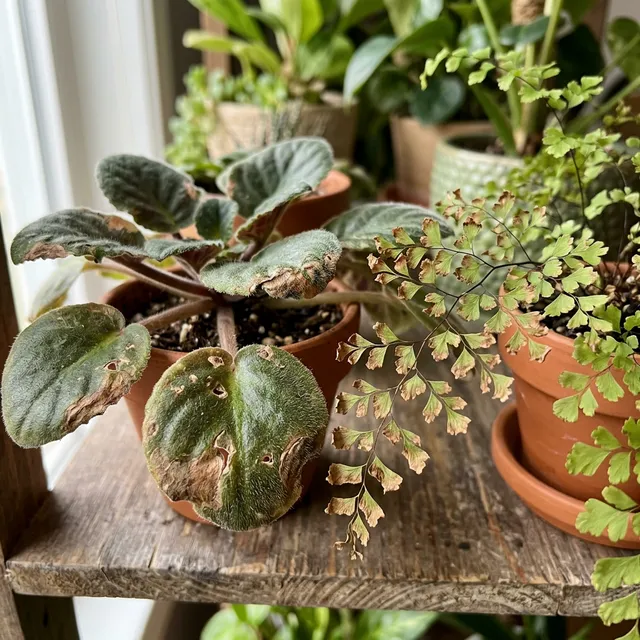
learnPlants Sensitive to Insecticidal Soap
Not all plants can handle insecticidal soap. This complete list shows which plants are sensitive, how to protect them, and safer alternatives.
 guides
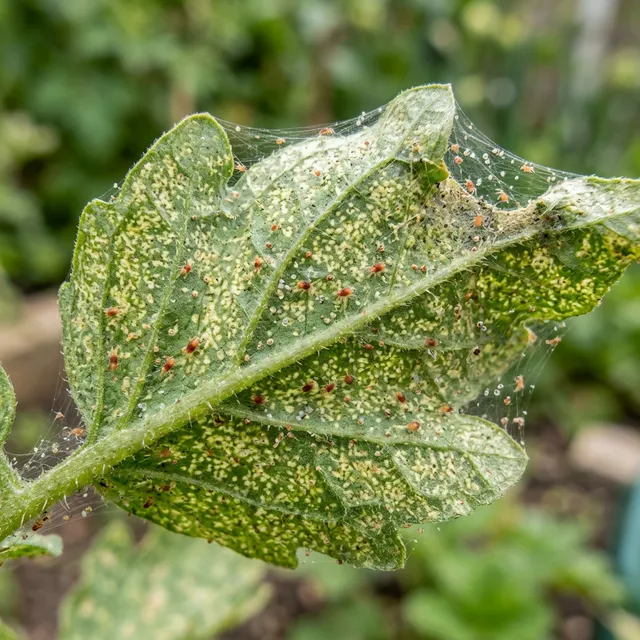
Insecticidal Soap for Spider Mites
Spider mites are tiny, destructive, and multiply fast. Insecticidal soap is your best organic defense. Here's exactly how to use it.