Insecticidal Soap for Leaf Miners
Garden Soap Team
· 8 min read
What Leaf Miners Actually Are
Leaf miners aren’t a single insect. The term describes the larval stage of several different species of flies, moths, and beetles whose larvae feed inside leaf tissue rather than on the surface. The most common garden leaf miners include:
- Vegetable leaf miners (Liriomyza sativae) that attack tomatoes, peppers, beans, and cucurbits
- Spinach leaf miners (Pegomya hyoscyami) that target spinach, beets, and chard
- Citrus leaf miners (Phyllocnistis citrella) specific to citrus trees
- Columbine leaf miners (Phytomyza aquilegiae) that attack columbine and related ornamentals
- Boxwood leaf miners (Monarthropalpus flavus) specific to boxwood shrubs
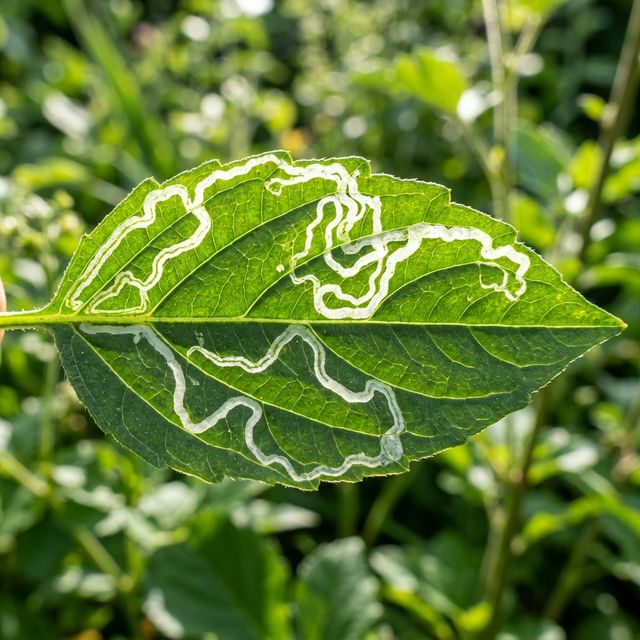
The adult flies or moths are small and often go unnoticed. They lay tiny eggs on leaf surfaces, and when the larvae hatch, they immediately burrow into the leaf tissue. Once inside, they feed between the upper and lower leaf surfaces, creating those distinctive winding tunnels or “mines” that give them their name.
Why Insecticidal Soap Has Limited Effectiveness
Here’s the fundamental problem: insecticidal soap is a contact killer. It needs to physically touch the insect to dissolve its cuticle and cause dehydration. Leaf miner larvae live inside the leaf, protected by the leaf tissue itself acting as a shield.
Spraying insecticidal soap on leaves with active mines is essentially spraying the outside of a wall and hoping it kills something inside the room. The soap contacts the leaf surface, dries, and never reaches the larva tunneling within.
When soap does work against leaf miners:
| Target | Effectiveness | Why |
|---|---|---|
| Adult flies on leaf surfaces | Good | Adults are soft-bodied and exposed |
| Eggs on leaf surfaces | Low | Egg shell provides some protection |
| Larvae entering leaves (first hours) | Moderate | Brief window before full entry |
| Larvae inside leaf mines | None | Leaf tissue shields the larva completely |
| Pupae in soil | None | Underground, unreachable by spray |
The usable window is targeting adult flies before they lay eggs and, to a lesser extent, catching newly hatched larvae during the brief period between hatching and burrowing.
How to Use Insecticidal Soap Against Leaf Miner Adults
If you’re going to use soap spray, target the adults. Here’s how to do it effectively.
Timing Is Everything
Adult leaf miner flies are most active during warm mornings. They hover around host plants looking for egg-laying sites. Your spray window is the 2-3 week period when adults are actively flying, typically:
- Vegetable leaf miners: Late spring through early summer
- Citrus leaf miners: When new growth flushes appear (spring and fall)
- Spinach leaf miners: Early to mid spring
Watch for tiny (2-3mm) dark flies hovering near or resting on leaf surfaces. Yellow sticky traps placed near susceptible plants will tell you exactly when adults are present.
Spray Method
Use the standard castile soap spray:
- 1 tablespoon castile soap per quart of water
- Spray upper leaf surfaces where adults land
- Focus on new, young leaves that adults prefer for egg-laying
- Spray every 3-4 days during the adult flight period
- Apply in early morning when adults are less mobile
Adding neem oil to your soap spray significantly improves effectiveness against leaf miners. Neem’s azadirachtin acts as a feeding deterrent and disrupts the insect’s growth hormones, providing effects that pure soap alone cannot.
Better Organic Controls for Leaf Miners
Since insecticidal soap has limited utility against leaf miners, here are the methods that actually work:
1. Remove and Destroy Affected Leaves
This is the single most effective control for small-scale infestations. When you see mines forming in leaves:
- Pick off affected leaves
- Check each leaf, if the mine is still active (you can see a larva at the end of the trail), the larva is still feeding
- Crush the leaf between your fingers to kill the larva inside
- Do not compost affected leaves, bag and dispose of them
For vegetable plants, removing a few mined leaves rarely affects yield. The plant compensates with new growth.
2. Yellow Sticky Traps
Adult leaf miners are strongly attracted to yellow. Placing yellow sticky traps at plant height near susceptible crops catches significant numbers of adults before they can lay eggs. This works particularly well in enclosed spaces like greenhouses and cold frames.
Place traps:
- At leaf height, not above the plants
- On the sunny side of plants
- Starting in early spring before you see damage
- Replace when covered or every 2 weeks
3. Row Covers
Lightweight floating row covers physically prevent adult flies from reaching your plants. This is the most reliable prevention method for vegetable gardens.
Install row covers:
- At transplanting time, before adults arrive
- Seal edges with soil or ground staples
- Remove for pollinator-dependent crops when flowering begins
- Use for spinach, chard, beets, and other leafy greens through the entire growing season since these crops don’t need pollination
4. Beneficial Insects
Several parasitic wasp species naturally control leaf miners:
- Diglyphus isaea is commercially available and highly effective
- Dacnusa sibirica works well in cooler conditions
- Chrysocharis species are common native parasitoids
These tiny, non-stinging wasps lay their eggs inside leaf miner larvae within the mines. You can encourage native populations by avoiding broad-spectrum pesticides and planting small-flowered herbs (dill, cilantro, yarrow) that feed adult parasitic wasps.
5. Neem Oil as a Systemic Treatment
Unlike insecticidal soap, neem oil has systemic properties when absorbed by plant tissue. A soil drench with neem solution can make leaf tissue unpalatable to leaf miner larvae from the inside. This approach works best on young plants with active root systems.
Mix 1 tablespoon neem oil with 1 teaspoon castile soap and 1 gallon of warm water. Apply as a soil drench every 2 weeks during the leaf miner active season.
Leaf Miner Damage on Common Garden Plants
Different plants respond differently to leaf miner pressure:
| Plant | Damage Severity | Action Needed |
|---|---|---|
| Spinach/chard | High (leaves are the crop) | Aggressive prevention with row covers |
| Tomatoes | Low (fruit unaffected) | Remove mined leaves, monitor |
| Citrus trees | Moderate (new growth affected) | Treat flush growth, protect young trees |
| Beans | Low to moderate | Pick affected leaves, plant tolerates it |
| Columbine | Cosmetic only | Remove leaves after bloom if desired |
| Boxwood | Moderate (aesthetic impact) | Prune affected growth in late spring |
For leafy greens where the leaf itself is the harvest, prevention is essential. For fruiting crops where leaves are just the engine, leaf miner damage is rarely worth aggressive treatment.
The Citrus Leaf Miner Special Case
Citrus leaf miners deserve separate discussion because they’re a major pest of citrus trees in warm climates and behave differently from vegetable leaf miners.
Citrus leaf miners target only new growth (flush). Mature leaves are never attacked. This means your management strategy focuses on protecting new growth flushes:
- Young citrus trees (under 4 years) are most vulnerable because they produce frequent, tender flushes
- Mature trees tolerate leaf miner damage well and rarely need treatment
- Spray timing aligns with flush cycles, not calendar dates
For young citrus trees, apply insecticidal soap with neem oil to new growth as soon as leaves begin to unfurl. Spray every 5-7 days until leaves harden off. This is one situation where the soap-neem combination provides genuine benefit because you’re targeting adults landing on new growth to lay eggs.
Prevention Strategies
Long-term leaf miner management is about cultural practices more than spraying:
- Rotate crops so leaf miners emerging from pupae in the soil don’t find the same host plants
- Clean up crop debris at the end of the season. Leaf miner pupae overwinter in fallen leaves and topsoil.
- Avoid excessive nitrogen fertilization. Lush, soft new growth is more attractive to egg-laying adults
- Plant trap crops. Lambsquarters and columbine attract leaf miners away from vegetables
- Encourage biodiversity. A diverse garden with many plant species and insect habitats supports parasitic wasp populations that keep leaf miners in check naturally
Read our full guide on natural pest control methods and integrated pest management for the broader picture on building a resilient garden ecosystem.
When to Stop Worrying
Not all leaf miner damage requires action. In many cases, the damage is purely cosmetic:
- Ornamental plants with minor mining are fine, the plant outgrows it
- Fruit trees with a few mined leaves still produce normal harvests
- Established citrus trees tolerate significant leaf miner activity without yield impact
- Vegetable plants that produce fruit (tomatoes, peppers, squash) compensate by growing new leaves
Save your energy and soap spray for the situations that matter: leafy greens where the leaf is the product, young citrus trees that can be stunted by heavy mining, and severe infestations that affect more than 30% of a plant’s foliage.
Frequently Asked Questions
Does insecticidal soap kill leaf miners? ▼
Insecticidal soap cannot kill leaf miner larvae once they're inside the leaf. However, it can kill the adult flies before they lay eggs and can eliminate newly hatched larvae in the brief window before they tunnel into the leaf tissue.
What is the best organic treatment for leaf miners? ▼
The most effective organic approach combines removing affected leaves, using yellow sticky traps for adults, spraying insecticidal soap or neem oil to kill adults before egg-laying, and encouraging parasitic wasps that naturally control leaf miner populations.
How do I know if I have leaf miners? ▼
Leaf miners create distinctive winding, white or light-colored trails (mines) inside leaves. Hold an affected leaf up to sunlight and you can often see the tiny larva at the end of the trail. Leaves may also show small raised blisters where larvae are feeding.
Can I eat vegetables with leaf miner damage? ▼
Yes. Leaf miner damage is purely cosmetic and does not make vegetables unsafe to eat. The larvae feed only within the leaf tissue, not the fruit. Simply remove damaged leaves if the appearance bothers you, or harvest normally.
 ✓
✓ The Garden Soap Team writes every recipe and guide on this site. Formulas follow published horticultural guidance — university extension resources, the UC IPM program, and OMRI standards — and we cross-check concentrations and plant-safety warnings against documented gardener experience before publishing. No harsh chemicals, no guesswork passed off as expertise.
📚 Related Articles
 guides
How to Make Insecticidal Soap at Home
Core 3-ingredient method: 1 tablespoon unscented castile per quart, leaf-underside coverage, and the mixing mistakes that burn plants.
 guides
When to Spray Insecticidal Soap for Best Results
Timing is everything with insecticidal soap. Learn the best time of day, season, and growth stage to spray for maximum pest control.
 guides
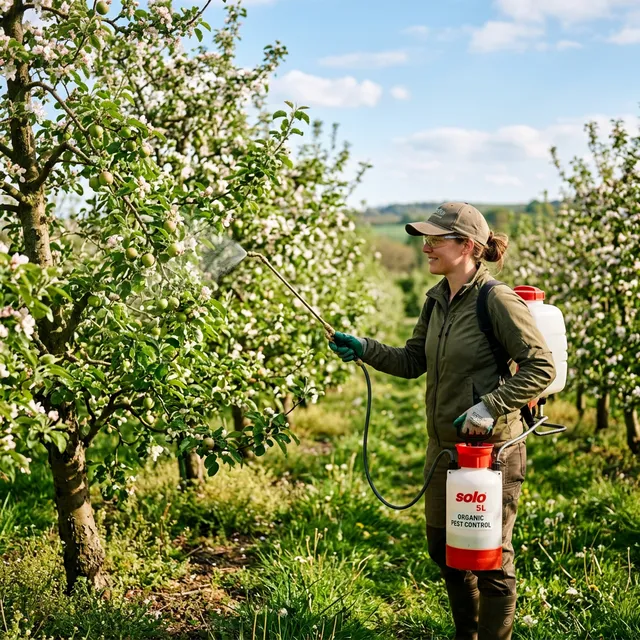
Insecticidal Soap for Fruit Trees
Fruit trees face aphids, scale, spider mites, and more. Insecticidal soap offers safe, organic pest control without contaminating your harvest.