Insecticidal Soap for Leafhoppers
Garden Soap Team
· 8 min read

A Pest You Might Not Recognize
Leafhoppers are one of the most common garden pests, but many gardeners don’t realize they have them. Unlike the obvious clusters of aphids or the visible webs of spider mites, leafhoppers are small, fast, and fly or hop away before you get a good look.
What you notice first is the damage: tiny white dots covering your leaves, a pattern called stippling. Each dot is a cell that’s been punctured and emptied of its contents. As damage accumulates, leaves turn pale, curl at the edges, and may develop brown, crispy margins that gardeners call “hopperburn.”
There are over 20,000 leafhopper species worldwide, and several are major garden pests. The good news: insecticidal soap works well on them. The challenge is the delivery.
Why Leafhoppers Are Good Targets for Soap
Unlike Japanese beetles or squash bugs that resist soap, leafhoppers are genuinely vulnerable:
- Soft-bodied with thin cuticles that soap easily penetrates
- Small (most species 1/8 to 1/4 inch), so dehydration happens quickly
- Sap feeders that spend extended time on leaf surfaces rather than boring inside
- Nymphs are even softer and can’t fly away, making them ideal targets
| Life Stage | Soap Effectiveness | Notes |
|---|---|---|
| Eggs (inside leaf tissue) | None | Protected within the leaf |
| Early nymphs | Excellent | Soft, wingless, can’t escape |
| Late nymphs | Good | Larger but still soft |
| Adults | Good (if hit) | Vulnerable but fast |
The key insight: focus on nymphs. Adult leafhoppers hop and fly when disturbed, making them hard to spray directly. Nymphs are wingless and can only run sideways along the leaf, giving you a much better chance of thorough coverage.
Identifying Leafhoppers and Their Damage
Common Garden Species
Potato leafhopper (Empoasca fabae):
- Bright green, 1/8 inch long
- Major pest of beans, potatoes, alfalfa, and many ornamentals
- Causes characteristic hopperburn, browning and curling of leaf edges
- Migrates northward each spring from the Gulf states
Aster leafhopper (Macrosteles quadrilineatus):
- Pale green with six black spots on the head
- Transmits aster yellows disease to lettuce, carrots, and flowers
- The disease they carry is often worse than the feeding damage
Beet leafhopper (Circulifer tenellus):
- Pale green to tan, found in western states
- Transmits curly top virus to tomatoes, peppers, beans, and beets
- A major problem in arid western gardens
Rose leafhopper (Edwardsiana rosae):
- Pale yellow-green, attacks roses and many fruit plants
- Creates heavy stippling on rose leaves
- Multiple generations per year
Recognizing the Damage
Stippling: Hold a damaged leaf up to the light. You’ll see hundreds of tiny translucent dots where cell contents have been removed. This pattern is distinctive, spider mites create similar stippling but also leave fine webbing.
Hopperburn: Leaf edges turn brown and crispy, then curl upward. This is caused by the leafhopper’s saliva, which is toxic to plant cells. It’s especially severe from potato leafhoppers.
Cast skins: Leafhopper nymphs molt five times. Look for tiny white shed exoskeletons on leaf undersides, a reliable sign of an active population.
Honeydew and sooty mold: Some leafhopper species excrete honeydew (like aphids), which can lead to black sooty mold on lower leaves.
How to Spray Leafhoppers Effectively
Leafhoppers are not hard to kill with soap, they’re hard to hit. Here’s the technique:
The Approach
Leafhoppers feel vibrations through the plant. Stomping up to a plant and grabbing leaves will send every adult flying before your spray bottle is even aimed. Instead:
- Approach slowly and quietly
- Don’t touch the plant until your spray bottle is in position
- Start spraying leaf undersides from a distance of 6-8 inches
- Work inward from the edges of the plant toward the center
- Let dislodged adults settle on nearby plants, then spray those too
Best Spray Time
Early morning (before 8 AM) is critical. Leafhoppers are cold-blooded and sluggish in cool temperatures. By midday, they’re warm, alert, and nearly impossible to spray. If morning isn’t possible, late evening works as a second choice.
Recipe
The standard castile soap spray works well:
- 1 tablespoon pure liquid castile soap per quart of water
- Optional: add 1/2 teaspoon vegetable oil to improve leaf coverage
- Adding neem oil provides residual anti-feeding effects that extend protection between spray sessions
Application Schedule
| Application | Timing | Focus |
|---|---|---|
| First spray | When stippling first appears | Kill nymphs and any adults you can reach |
| Second spray | 5 days later | Catch newly hatched nymphs |
| Third spray | 5 days later | Reduce surviving population |
| Fourth spray | 7 days later | Break the generation cycle |
| Monitoring | Weekly | Spot-treat new activity |
Leafhoppers reproduce fast, females insert eggs into leaf tissue where they’re protected for 7-10 days. Multiple applications are essential to catch successive hatches.
Managing Disease-Carrying Leafhoppers
Some leafhopper species are more dangerous as disease vectors than as direct feeders. If you’re dealing with aster leafhoppers or beet leafhoppers, disease prevention matters more than feeding damage.
Aster Yellows
This phytoplasma disease causes:
- Yellowed, stunted growth
- Bizarre “witches broom” leaf proliferation
- Green, malformed flowers
- Affects lettuce, carrots, celery, marigolds, and many other plants
Once a plant is infected, there’s no cure. Remove and destroy infected plants immediately to prevent leafhoppers from spreading the disease to healthy plants.
Curly Top Virus
Common in western US gardens, this virus causes:
- Leaf curling and thickening
- Stunted growth
- Purpling of leaf veins
- Plant death in severe cases
- Major problem for tomatoes, peppers, and beans
Prevention strategies for disease-carrying leafhoppers:
- Row covers to physically exclude leafhoppers from vulnerable crops
- Reflective mulch (aluminum foil or silver plastic) confuses leafhoppers and reduces landing
- Dense plantings that shade soil and make crops less visible to incoming leafhoppers
- Remove infected plants immediately to eliminate disease sources
Companion Planting and Cultural Controls
Plants That Deter Leafhoppers
- Petunias have sticky, hairy leaves that trap small leafhoppers
- Geraniums may repel certain leafhopper species
- Strong-smelling herbs (basil, mint, rosemary) can provide some masking effect
Cultural Practices
- Remove weeds around the garden, many weeds host leafhoppers and the diseases they carry
- Clean up crop debris at season end, some species overwinter in garden waste
- Avoid over-fertilizing, lush, nitrogen-rich growth is more attractive to leafhoppers
- Encourage natural predators, lacewings, lady beetles, minute pirate bugs, and spiders all eat leafhoppers
Reflective Mulch
Aluminum foil or metallic reflective mulch placed around plants disorients leafhoppers. They handle partly by the contrast between bright sky and dark ground. Reflective mulch confuses this sense, reducing the number that land on your plants.
Studies from university extension programs show reflective mulch can reduce leafhopper populations by 50-80% in vegetable gardens. It also reduces aphid landing. Lay it between rows or around individual plants.
Beneficial Insects That Control Leafhoppers
Building natural enemy populations provides long-term leafhopper control:
- Green lacewing larvae are voracious general predators that eat leafhopper nymphs
- Minute pirate bugs (Orius species) eat both leafhopper nymphs and eggs
- Parasitic wasps (Anagrus species) lay eggs inside leafhopper eggs, destroying them before they hatch
- Spiders, web-building spiders near plants catch significant numbers of adult leafhoppers
- Damsel bugs feed on leafhopper nymphs
To encourage these beneficials:
- Plant a diverse mix of flowers (especially small-flowered varieties like sweet alyssum, dill, and yarrow)
- Avoid broad-spectrum pesticides (even organic pyrethrin kills beneficial insects)
- Provide ground cover and mulch as habitat for ground-dwelling predators
- Use insecticidal soap rather than stronger pesticides, soap’s lack of residual toxicity means beneficials that arrive after the spray dries are unharmed
Specific Crop Protection
Beans
Potato leafhoppers cause severe hopperburn on beans. Row covers at planting time are the best prevention. If covers aren’t practical, spray soap every 5 days during the first month after emergence when plants are most vulnerable.
Potatoes
Leafhoppers reduce potato yields by damaging foliage. Monitor plants starting in late spring. Begin soap sprays when you find more than 1 nymph per leaf on average.
Grapes
Grape leafhoppers cause stippling that reduces photosynthesis and delays ripening. Target nymphs on leaf undersides in early summer. A second generation may emerge in late summer requiring a second round of treatment.
Roses
Rose leafhoppers are persistent throughout the growing season. Regular soap spray applications (every 7 days) during active seasons keep populations manageable. See our insecticidal soap for roses guide for more details.
When to Accept Leafhopper Damage
Light leafhopper damage (mild stippling on some leaves) rarely affects plant health significantly. Healthy, well-watered plants tolerate moderate feeding. Consider treatment thresholds rather than treating at the first sign of stippling:
- Action needed: Hopperburn developing, leaf curling, heavy stippling on most leaves
- Monitor only: Light stippling on a few leaves, no curling or browning
- Disease risk: Always treat if aster leafhoppers or beet leafhoppers are present, regardless of feeding damage level
For the complete picture on organic pest management, see our guides on integrated pest management and spring garden pest prevention.
Frequently Asked Questions
Does insecticidal soap work on leafhoppers? ▼
Yes, insecticidal soap kills leafhoppers on direct contact. Leafhoppers are soft-bodied sap feeders vulnerable to the fatty acid salts in soap spray. The challenge is hitting them, leafhoppers are fast-moving and fly away when disturbed, requiring careful spray technique.
What damage do leafhoppers cause? ▼
Leafhoppers cause stippling (tiny white dots) on leaves by puncturing cells and sucking sap. Heavy infestations cause leaf curling, yellowing, and browning at leaf edges called hopperburn. Some species also transmit plant diseases like aster yellows and curly top virus.
How do I identify leafhoppers? ▼
Leafhoppers are small (1/8 to 1/4 inch), wedge-shaped insects that hold their wings roof-like over their body. They move sideways when disturbed rather than flying directly away. They come in green, yellow, brown, or spotted depending on species.
When should I spray for leafhoppers? ▼
Spray early morning when temperatures are cool and leafhoppers are least active. Approach plants slowly to avoid startling them. Focus on leaf undersides where they feed. Apply every 5-7 days for 3-4 applications to break the population cycle.
 ✓
✓ The Garden Soap Team writes every recipe and guide on this site. Formulas follow published horticultural guidance — university extension resources, the UC IPM program, and OMRI standards — and we cross-check concentrations and plant-safety warnings against documented gardener experience before publishing. No harsh chemicals, no guesswork passed off as expertise.
📚 Related Articles
 guides
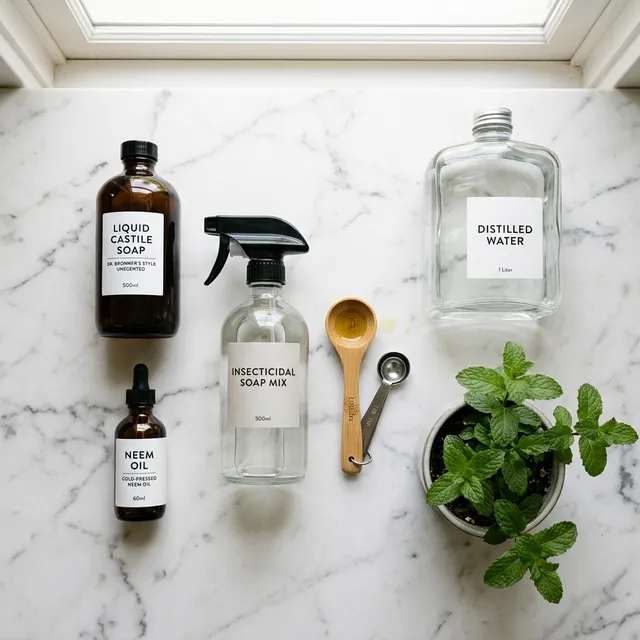
How to Make Insecticidal Soap at Home
Core 3-ingredient method: 1 tablespoon unscented castile per quart, leaf-underside coverage, and the mixing mistakes that burn plants.
 guides
When to Spray Insecticidal Soap for Best Results
Timing is everything with insecticidal soap. Learn the best time of day, season, and growth stage to spray for maximum pest control.
 guides
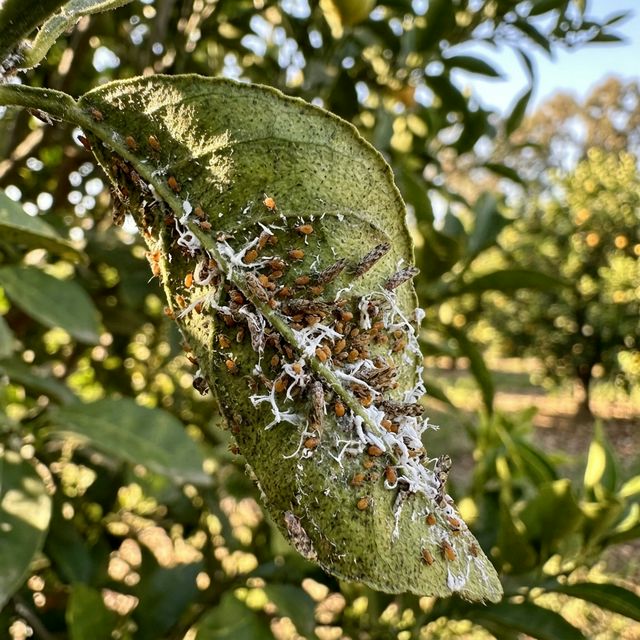
Insecticidal Soap for Tomatoes
Tomatoes attract aphids, whiteflies, and hornworms. Insecticidal soap handles the first two safely without harming fruit. Here's the tomato-specific guide.