Insecticidal Soap for Earwigs
Garden Soap Team
· 8 min read
Understanding Earwigs
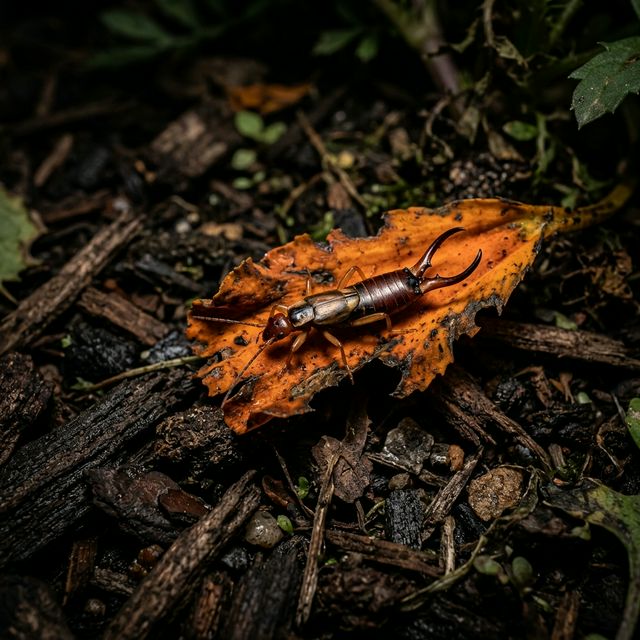
Earwigs get a bad reputation they only partly deserve. The European earwig (Forficula auricularia), the most common species in North American gardens, is actually an omnivore that eats both plant material and other insects. In moderate numbers, earwigs are beneficial predators that eat aphids, mites, and insect eggs.
The problem starts when their population explodes. A large earwig population will damage seedlings, chew holes in soft petals, hollow out strawberries, clip corn silk, and feed on lettuce and other tender greens. The damage happens at night while you sleep, and by morning all you see is the aftermath, ragged holes in flowers and chewed-off seedling stems.
Earwigs are 5/8 to 1 inch long, dark brown, with distinctive curved pincers (cerci) at their tail end. They’re nocturnal, moisture-loving, and hide during the day under mulch, rocks, boards, pots, and in any dark, damp crevice they can find.
Can Insecticidal Soap Kill Earwigs?
Technically, yes. If you spray an earwig directly with insecticidal soap, the soap will penetrate its cuticle and cause dehydration. Earwigs don’t have the hard, impenetrable armor of beetles, so the fatty acid salts in soap can affect them.
The practical problem is that you’ll never find earwigs during spray time:
| Factor | Challenge |
|---|---|
| Activity pattern | Strictly nocturnal, hiding during daylight hours |
| Hiding spots | Under mulch, in soil crevices, inside flower heads |
| Response to disturbance | Run fast and scatter immediately |
| Soap’s residual effect | Zero once dry, no protection through the night |
You could technically go out at midnight with a spray bottle and a headlamp, hunting earwigs one by one. But there are far better uses of your time and far more effective control methods.
When Soap Spray Makes Sense
There are a few narrow situations where insecticidal soap helps with earwig management:
- Spraying clusters found under boards or pots during daytime, if you lift a pot and find 20 earwigs, a quick spray kills them before they scatter
- Treating earwigs found inside flower heads, hold the flower over a bucket and spray into it
- As a soapy water drowning solution, fill a bucket with soapy water and knock earwigs into it during nighttime hand-picking
The Best Organic Earwig Controls
Forget spraying. These methods actually control earwig populations:
1. Oil and Soy Sauce Traps
This is the most effective DIY earwig trap:
- Fill shallow containers (tuna cans, yogurt cups cut in half, or cat food tins) with equal parts vegetable oil and soy sauce
- Place traps near damaged plants and in areas where earwigs congregate
- Earwigs are attracted to the soy sauce, crawl in, and the oil traps them
- Empty and refill traps every 2-3 days
- Set out 3-4 traps per 100 square feet of garden bed
I’ve caught 50+ earwigs per trap per night in heavily infested gardens. Nothing else comes close to this catch rate.
2. Rolled Newspaper Traps
- Roll a section of damp newspaper loosely into a tube
- Secure with a rubber band
- Place on the ground near damaged plants in the evening
- In the morning, earwigs will be sheltering inside
- Shake them into a bucket of soapy water or seal the newspaper in a plastic bag and dispose of it
3. Damp Corrugated Cardboard
Similar to newspaper traps:
- Cut corrugated cardboard into 6-inch squares
- Dampen lightly
- Place on the soil surface near problem areas
- Check each morning and destroy earwigs found sheltering in the corrugations
4. Overturned Flower Pots
- Place an upside-down terra cotta flower pot on a short stick (so there’s a gap at the rim) near damaged plants
- Stuff loosely with damp straw or crumpled newspaper
- Earwigs will shelter inside during the day
- Check daily and shake into soapy water
5. Diatomaceous Earth
Food-grade diatomaceous earth (DE) applied around the base of vulnerable plants creates a barrier that damages earwig cuticles as they crawl through it. The microscopic sharp particles cause dehydration, similar to how soap works but through physical abrasion rather than chemical action.
- Apply a ring around plant stems
- Dust along garden bed edges
- Reapply after rain or heavy irrigation
- Works best in dry conditions (moisture reduces effectiveness)
Protecting Specific Plants
Seedlings
Earwigs can devastate newly transplanted seedlings overnight. If stems are clipped at soil level, also check cutworm collars — the damage looks similar. Protect seedlings with:
- Cardboard collars around seedling stems (1-inch diameter tubes)
- Diatomaceous earth rings around each transplant
- Traps placed within 1 foot of vulnerable seedlings
- Watering in the morning so soil surface is drier by nightfall
Flowers (Dahlias, Marigolds, Zinnias)
Earwigs love hiding in dense flower heads. Control strategies:
- Place oil-and-soy traps at the base of each flower plant
- Petroleum jelly rings on dahlia stakes prevent earwigs from climbing
- Shake flower heads over a bucket of soapy water in the morning
- Remove heavily damaged blooms that serve as daytime hiding spots
Strawberries and Soft Fruit
Earwigs hollow out ripening strawberries from below. Protection methods:
- Straw mulch (contrary to the name, straw doesn’t attract earwigs as much as wood mulch)
- Raise fruit off the ground using strawberry supports or cages
- Place oil traps between rows
- Harvest in the morning while earwigs are still hiding
Corn
Earwigs clip corn silk, preventing pollination. For sweet corn:
- Apply a drop of vegetable oil to the silk channel of each ear after silk is fully pollinated (when silks start to brown)
- This physically prevents earwigs from climbing into the ear
- Place newspaper traps along corn rows
Reducing Earwig Habitat
The most effective long-term earwig management is making your garden less hospitable:
Moisture management:
- Water in the morning so soil surfaces dry during the day
- Reduce mulch depth to 2 inches or less near vulnerable plants
- Improve drainage in areas where water pools
- Remove standing water sources near the garden
Hiding place reduction:
- Clean up leaf debris, boards, and plant waste
- Move firewood stacks away from garden beds
- Eliminate dense ground-level clutter
- Raise containers off the ground with pot feet
Population control:
- Maintain traps throughout the growing season, one heavy trapping session isn’t enough
- Encourage natural predators: birds (especially robins and wrens), toads, ground beetles, and centipedes all eat earwigs
- Chickens are excellent earwig predators if you have the space
When Earwigs Are Actually Beneficial
Before you declare war, consider whether you actually need to control earwigs:
- Small populations (occasional sightings, minimal damage) may be helping by eating aphids and other soft-bodied pests
- In orchards and trees, earwigs are generally beneficial predators that eat fruit tree pests
- In compost bins, earwigs help break down organic matter
Only take control action when you’re seeing actual plant damage. The presence of earwigs alone doesn’t mean you have a problem. A few ragged petals and a couple of earwigs doesn’t warrant trapping. Consistently destroyed seedlings and hollowed-out strawberries does.
An Integrated Approach
The most effective earwig management combines cultural controls and trapping:
- Reduce habitat by managing moisture and removing daytime hiding spots
- Set oil-and-soy traps in areas with active damage (monitor catch rates to gauge population)
- Protect vulnerable plants with physical barriers (collars, DE, raised fruit)
- Preserve natural predators by avoiding broad-spectrum pesticides
- Use insecticidal soap only for spot treatment of exposed clusters during daytime inspections
For more on building a resilient garden ecosystem that naturally keeps pests in balance, read our guides on integrated pest management and natural pest control methods.
Frequently Asked Questions
Does insecticidal soap kill earwigs? ▼
Insecticidal soap can kill earwigs on direct contact, but it's impractical as a primary control because earwigs are nocturnal and hide during the day when you would normally spray. Trapping is far more effective for earwig control.
What is the best way to get rid of earwigs in the garden? ▼
Oil-and-soy-sauce traps are the most effective organic earwig control. Fill shallow containers with equal parts vegetable oil and soy sauce and place them near damaged plants. Earwigs are attracted to the soy sauce, fall in, and can't escape the oil.
Are earwigs harmful to plants? ▼
Earwigs are omnivores that eat both pests and plants. In small numbers, they're beneficial, eating aphids, mites, and insect eggs. In large populations, they damage seedlings, soft fruits like strawberries, flowers (especially dahlias and marigolds), and corn silk.
Do earwigs bite people? ▼
Earwigs can pinch with their cerci (tail pincers) if handled, but they don't bite, sting, or transmit diseases. The pinch is mildly uncomfortable but harmless. Despite old myths, earwigs do not crawl into ears.
 ✓
✓ The Garden Soap Team writes every recipe and guide on this site. Formulas follow published horticultural guidance — university extension resources, the UC IPM program, and OMRI standards — and we cross-check concentrations and plant-safety warnings against documented gardener experience before publishing. No harsh chemicals, no guesswork passed off as expertise.
📚 Related Articles
 guides
How to Make Insecticidal Soap at Home
Core 3-ingredient method: 1 tablespoon unscented castile per quart, leaf-underside coverage, and the mixing mistakes that burn plants.
 learn
learnNatural Pest Control Methods That Actually Work
Proven natural pest control methods for gardens and homes. Insecticidal soap, beneficial insects, and companion planting — no synthetic chemicals needed.
 learn
learnCommon Garden Pests: Visual Identification Guide
Can't figure out what's eating your plants? Identify the 10 most common garden pests and learn which ones insecticidal soap can eliminate.