Insecticidal Soap vs Neem Oil: Which One for Which Pest
Garden Soap Team
· 8 min read

Soap and neem oil are the two bottles every organic gardener owns, and they get compared as if one must win. They barely compete. Insecticidal soap is a contact kill that stops working when it dries. Neem oil is a residual, antifeedant, and insect-growth disruptor that rarely kills anything outright on the first pass. Once you frame them that way, the “which is better” question dissolves into a much more useful one: which pests need a knockdown, which need a residual, and which need both in sequence.
This page maps the two products against the pests the site covers in depth — aphids, spider mites, whiteflies, scale, and fungus gnats — using the same extension-service framing the rest of the guides use.
How Insecticidal Soap Actually Kills
The active chemistry in true insecticidal soap is the potassium salt of fatty acids. University extension soap pages converge on the same mechanism description: the spray disrupts cell membranes and waxy cuticles of soft-bodied insects on contact, and the insect dies of rapid fluid loss. Three consequences follow directly from that mechanism:
- No residue kill. Once the film dries, it stops working. A pest that walks onto a soaped leaf tomorrow is unaffected — which is why reapplication every 5–7 days is the protocol, not a sign the mix failed.
- Coverage is the entire game. A missed aphid on the underside of a leaf is an unaffected aphid. Soap only kills what it wets.
- The effective list is short and specific. Soft-bodied, small, exposed pests: aphids, mites, whitefly nymphs, young scale crawlers, mealybugs, leafhopper nymphs, psylla. Beetles and anything with a hardened shell shrug it off.
Our DIY recipe holds the 1–2% fatty-acid window university soap pages publish. Concentration past that window buys leaf burn, not more kill — a point our plant-safety guide hammers for good reason.
How Neem Oil Actually Works
Neem’s reputation as “the natural pesticide that does everything” oversells a four-part mechanism:
- Contact and ingestion toxicity — modest. Azadirachtin, neem’s most-studied compound, is a stomach poison to feeding insects, but it is not a fast knockdown and does not compare to soap’s contact kill speed.
- Antifeedant effect — insects stop feeding on treated surfaces even at sub-lethal doses. On a chewer like a Japanese beetle this is real damage control: the pest lives but stops stripping foliage.
- Molting and growth disruption (IGR action) — the most valuable trick. Azadirachtin interferes with ecdysone, the molting hormone. Immature insects that ingest it fail to molt correctly and die between stages. This quietly drains the next generation — which is why neem looks like it “did nothing” for days and then the population stops rebuilding.
- Repellence and oviposition deterrence — treated foliage is less attractive for egg-laying. This is the residual part of “residual,” and it degrades with sunlight: extension guidance typically assumes field effectiveness of roughly a week before reapplication.
What neem is not: a soap substitute for knockdown. An aphid colony sprayed with neem declines slowly while the colony sprayed with soap crashes in the hour you sprayed. For an established infestation doing visible damage right now, that difference decides the first bottle you reach for.
Also worth naming: “neem oil” on a store shelf is not one thing. Some products are 100% cold-pressed neem oil (contains azadirachtin naturally, plus the oil itself works as a smotherant); others are clarified hydrophobic extracts of neem — the oil without meaningful azadirachtin. The extract products still smother soft-bodied pests and scale crawlers as a horticultural oil, but the IGR/antifeedant action is much weaker. Read the label: if azadirachtin content is not stated, assume you are buying the smotherant only. Our neem product guide walks through the label-reading.
Pest-by-Pest Mapping
Aphids — soap first, neem optional
Aphids are the textbook soap pest: soft-bodied, exposed on growing tips, reproducing on the plant you are trying to protect. Direct contact at the standard rates crashes a colony immediately. Neem’s antifeedant and IGR action helps with the reinfestation wave, and ants farming the colony ignore both products — deal with the ants or the aphids return. Verdict: soap is the primary tool; neem is an optional residual about a week later if scouting shows the population rebuilding.
Spider mites — soap for the colony, neem between passes
Mites are a coverage problem first: they live under leaves and inside webbing, and eggs keep hatching for days after a perfect spray. Neither product kills eggs reliably. The working protocol is soap passes every 3–5 days to knock down mobile mites, with neem as an optional residual between passes to suppress nymph viability. If the plant is already a webbed canopy, no bottle fixes it — that is a discard decision, not a product decision.
Whiteflies — soap on nymphs, neem for the cycle
Adult whiteflies fly when you spray, which makes them the pest that most convinces people soap “doesn’t work.” It works on what it wets: the nymphs and the adults you actually hit, on leaf undersides, early morning when they are sluggish. The cycle needs the repeat pass five to seven days later. Neem earns its slot here: the IGR action on nymphs and the egg-laying deterrence on treated foliage slow the overlap of generations that makes whiteflies feel endless. Verdict: soap for the hit, neem for the cycle.
Scale insects — timing beats product choice
Scale splits into soft and armored, and the split decides the tool. Crawlers — the brief mobile stage after eggs hatch — are soft and killable by both soap and neem oil. Adult armored scale is a hardened shell glued to the plant; soap cannot touch it, and neem at spray rates mostly cannot either — smothering horticultural oil at labeled rates is the standard control for armored adults. The winning move is timing a pass to the crawler window (typically late spring to early summer, species-dependent), where both products work. Verdict: neem/oil has the structural advantage, but timing matters more than the bottle.
Fungus gnats — soil changes, oils risk roots
Gnats breed in wet potting mix, and the adults you see are the least of the problem. Soap and diluted neem drenches both target larvae in the top inch of soil, but repeated oil drenches risk affecting roots and soil life, so most extension guidance prefers cultural fixes first: let the top of the pot dry, bottom-water, top with sand or gravel. Soap drenches are the targeted tool; neem drenches are the heavier option when the culture fix alone is too slow. Verdict: soap drench as the targeted tool; neem only if the dry-cycle discipline is not holding.
Japanese beetles and leaf-eating caterpillars — neem’s home turf
Soap barely rates here: beetles and caterpillars are too large or too armored for a fatty-acid kill. Neem is the better botanical for these chewers — antifeedant action means treated foliage stops being eaten even if the pest survives, and ingested azadirachtin disrupts the molt of caterpillar larvae. It is still slow, and for Japanese beetles the honest extension framing is that hand-picking plus neem beats either spray alone. Verdict: neem primary; soap only for the soft-bodied hangers-on in the same crowd.
The Combination Play: When to Use Both
The comparison article answer most people actually need: these are not rivals, they are a sequence.
- Day 1 — soap pass. Full coverage contact kill, undersides included, at the correct timing window. This crashes the standing population.
- Day 2 or later — scout before anything else. Two days of paper-tap or tape tests tell you whether the crash held.
- Day 3–7 — neem residual if warranted. If scouting shows survivors, eggs, or continued pressure, a neem pass adds the antifeedant and IGR drain on the next generation. If the crash held, skip it — there is nothing for the residual to do that re-scouting can’t.
- Repeat the cycle on the 5–7 day clock until two consecutive clean scouts.
Two cautions from the plant-safety guide apply doubly when stacking: never mix both at full concentration in one bottle (leaf burn risk scales with total active, not per-product), and skip the combination on succulents and wax-leaved plants — soap strips or marks the waxy bloom (farina) that gives those plants their color, and oil films on top of a compromised cuticle compound the damage. For succulents, use half-strength soap alone, tested on one leaf first.
Plant Safety: Where Each Product Burns
- Soap’s sensitive list: wax-leaved plants (farina on succulents, bloom on some brassicas), tender new growth, ferns, and plants already drought-stressed. Burn shows as yellowing or bronzing patches within 24–48 hours, usually where spray pooled.
- Neem/oil’s sensitive list: anything in direct sun or heat above roughly 85°F at application time — oils and heat phytotoxicity is the classic documented burn. Also the same wax-bloom plants, plus drought-stressed and recently transplanted stock.
- Shared rule: test on one leaf, wait 48 hours, judge. A test leaf costs nothing; a burned houseplant takes months to grow back.
If the plant is valuable and the infestation is heavy, remember the escalation ladder: discard decision first, product second.
The Procurement View
Both tools cost almost nothing at working scale. Soap is a bar of castile and water — pennies per quart, no shelf-life anxiety because mixed soap spray expires fast and you should be mixing fresh anyway. Neem’s active compounds degrade on the shelf too; buy sizes you will finish in a season rather than the jug that sits in the garage for two years. If you only keep one commercial bottle in the cabinet, our roundups of ready-to-use sprays cover the options, and our neem product guide covers the label-reading for the other shelf.
The one-sentence version: soap is for the infestation you can see, neem is for the generation you can’t.
Frequently Asked Questions
Is insecticidal soap or neem oil better for aphids? ▼
Soap is the better knockdown: aphids are soft-bodied, sit on reachable growth, and die on direct contact with a 1–2% fatty-acid spray. Neem adds an antifeedant and molting disruption that slows the next generation, but azadirachtin degrades in sunlight within about a week and never replaces thorough underside coverage. Spray soap first for the crash, then decide whether the situation justifies a neem residual.
Can I mix insecticidal soap and neem oil together? ▼
Yes — many extension mixtures pair 1–2 tablespoons of mild soap per gallon as an emulsifier with neem at roughly 0.5–1% oil, and the soap helps the oil spread across leaf surfaces. Keep total oil low, spray in cool hours, and never stack products at full rate in the same bottle. A safer pattern is soap first, neem the next day, so an unexpected leaf reaction is attributable.
Which kills spider mites better, soap or neem? ▼
Soap, for the colony you can wet today — it knocks down mobile mites on contact, including under ideal underside coverage. Neem helps between passes because azadirachtin disrupts molting and reduces egg and nymph viability, but it is not a contact kill and will not rescue a webbed canopy. Mites need repeat passes every 3–5 days regardless of product; that cadence is the treatment.
Does neem oil work on scale insects? ▼
It is the right tool for the crawler stage and, at higher labeled rates, for the armored scale itself — horticultural-oil smothering is the standard control for armored adults. Soap works on crawlers and on soft scale honeydew pests during the crawler window, but it cannot penetrate the hardened shell of an adult armored scale. Time your pass to the crawler hatch and neither product has to fight armor.
Is neem oil safe for all plants? ▼
No. Oil-based sprays can mark the waxy bloom of succulents and some wax-leaved ornamentals, and neem is documented to burn when applied in heat or direct sun. Soap has its own sensitive list. Test any first mix on one leaf, wait 48 hours, and judge the marked leaf before spraying the whole plant.
 ✓
The Garden Soap Team writes every recipe and guide on this site. Formulas follow published horticultural guidance — university extension resources, the UC IPM program, and OMRI standards — and we cross-check concentrations and plant-safety warnings against documented gardener experience before publishing. No harsh chemicals, no guesswork passed off as expertise.
📚 Related Articles
 guides
How to Make Insecticidal Soap at Home
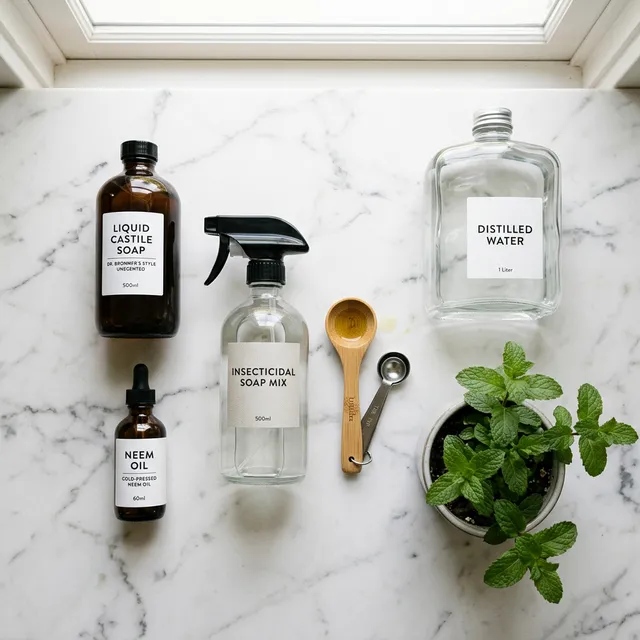
Core 3-ingredient method: 1 tablespoon unscented castile per quart, leaf-underside coverage, and the mixing mistakes that burn plants.
 guides
Insecticidal Soap for Aphids
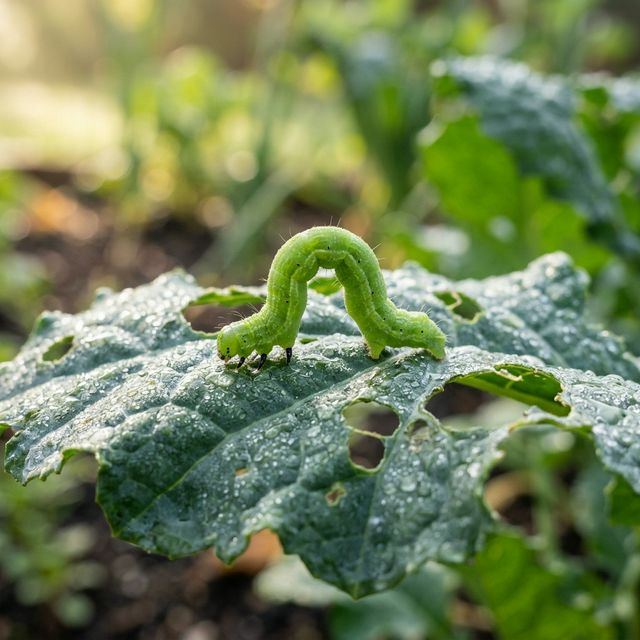
Aphids die on contact if you wet the colony and the leaf underside. Coverage, 5–7 day repeats, and when to add neem instead of more soap.
 guides
Insecticidal Soap for Spider Mites
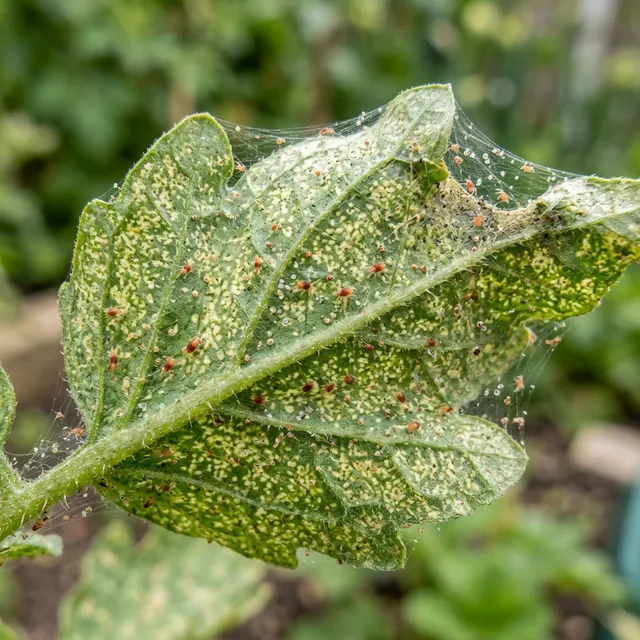
Spider mites are tiny, destructive, and multiply fast. Insecticidal soap is your best organic defense. Here's exactly how to use it.