Homemade Fly Repellent: 5 Indoor and Outdoor Recipes
Keep flies out of your home and away from your patio with these 5 natural, chemical-free fly repellent recipes and traps.
Flies are the one pest that every homemade solution has a legitimate shot at controlling. Unlike mosquitoes or ticks (where commercial repellents are often necessary for safety), house flies and fruit flies respond strongly to scent-based deterrents.
These five recipes cover the main scenarios: indoor spray, outdoor patio protection, fruit fly traps, and yard-level deterrence.
Recipe 1: Peppermint & Eucalyptus Indoor Spray
Best for: House flies, kitchen flies Duration: 4-6 hours per application
Flies have an extraordinary sense of smell, approximately 10x more sensitive than humans. Peppermint and eucalyptus oils overwhelm their olfactory receptors, creating a zone they actively avoid.
Ingredients
- 15 drops peppermint essential oil
- 10 drops eucalyptus essential oil
- ½ cup white vinegar
- ½ cup water
- Spray bottle (glass preferred, essential oils can degrade plastic over time)
Directions
- Combine vinegar and water in the spray bottle.
- Add essential oils. Shake vigorously.
- Spray around doorframes, windowsills, and kitchen counters.
- Reapply every 4-6 hours or after cleaning surfaces.
Pro Tip
Add 5 drops of lemongrass oil for extra potency. Lemongrass contains citral, which has documented fly-repellent properties in agricultural settings.
Recipe 2: Apple Cider Vinegar Fruit Fly Trap
Best for: Fruit flies, drain flies Duration: Works continuously for 3-5 days
This isn’t a repellent, it’s an attractant trap. Fruit flies are drawn to the fermentation scent of apple cider vinegar, fly in, and can’t escape.
Ingredients
- ¼ cup apple cider vinegar
- 1 drop dish soap (breaks surface tension so flies sink)
- Small glass or jar
- Plastic wrap and rubber band
Directions
- Pour ACV into the glass. Add one drop of dish soap. Stir gently.
- Cover tightly with plastic wrap. Secure with rubber band.
- Poke 4-5 small holes in the plastic wrap with a toothpick (holes should be just big enough for a fruit fly).
- Place near the fruit bowl, compost bin, or wherever flies congregate.
- Replace every 3-5 days.
Why This Works
Fruit flies can detect acetic acid (vinegar) from across a room. They fly toward the source, enter through the holes, and can’t handle back out. The dish soap breaks the water tension so they can’t land on the surface, they sink and drown.
Recipe 3: Lavender & Citronella Outdoor Spray
Best for: Patio flies, outdoor dining, horse flies Duration: 1-3 hours per application
For outdoor use, you need a stronger concentration than indoor sprays. This recipe combines three fly-deterrent compounds: linalool (lavender), citronellol (citronella), and geraniol (lemongrass).
Ingredients
- 20 drops lavender essential oil
- 15 drops citronella essential oil
- 10 drops lemongrass essential oil
- 2 oz witch hazel
- 2 oz water
- 4 oz spray bottle
Directions
- Combine witch hazel and essential oils in the spray bottle.
- Add water. Shake well.
- Spray on tablecloths, chair cushions, and around the perimeter of the dining area.
- Reapply every 1-2 hours.
For Clothing
You can spray this directly on clothing (test for staining on an inconspicuous area first). The oils are safe for most fabrics but may leave light marks on white or very light clothing.
Recipe 4: Clove & Lemon Countertop Deterrent
Best for: Kitchen counter flies Duration: 12-24 hours
This is the laziest effective method. No spraying, no mixing, no bottles. Just a lemon and some cloves.
Ingredients
- 1 lemon, cut in half
- 20-30 whole cloves
Directions
- Push cloves into the flesh of each lemon half, pointy end in.
- Place halves on a small plate on the kitchen counter.
- Replace every 1-2 days when the lemon dries out.
Why This Works
Eugenol, the active compound in cloves, is a potent insect repellent. Combined with limonene from the lemon, this creates a concentrated aromatic zone that flies avoid. Studies published in the Journal of Agricultural and Food Chemistry confirmed eugenol’s repellent activity against multiple fly species.
Recipe 5: Herb Garden Window Treatment
Best for: Preventing flies from entering through windows Duration: Continuous (as long as plants are alive)
Certain herbs repel flies simply by growing. Placing them in windowsill pots creates a living barrier that flies avoid flying past.
Most Effective Fly-Repellent Herbs
- Basil, Contains estragole and linalool, both documented fly repellents
- Lavender, Scent overwhelms fly olfactory receptors
- Rosemary, Strong camphor content deters flies and mosquitoes
- Mint, Menthol concentration creates a repellent zone
- Lemongrass, Citral is among the most effective natural repellent compounds
Setup
- Plant 2-3 herb varieties in small pots on each windowsill
- Keep them healthy, stressed or dying plants produce less aromatic compounds
- Brush the leaves occasionally to release more scent into the air
Bonus: You get fresh cooking herbs year-round.
Effectiveness Comparison
| Method | Fly Type | Duration | Effectiveness | Effort |
|---|---|---|---|---|
| Peppermint spray | House fly | 4-6 hrs | ⭐⭐⭐⭐ | Quick spray |
| ACV trap | Fruit fly | 3-5 days | ⭐⭐⭐⭐⭐ | Set and forget |
| Outdoor spray | Patio fly | 1-3 hrs | ⭐⭐⭐ | Reapply often |
| Clove lemon | Kitchen fly | 12-24 hrs | ⭐⭐⭐½ | Zero effort |
| Herb garden | All flies | Continuous | ⭐⭐⭐ | Maintain plants |
When to Call an Exterminator
If you have a persistent fly problem that isn’t solved by traps, repellents, and sanitation, you may have a breeding source, typically:
- A dead animal in the wall (blow flies)
- A broken sewer vent (drain flies)
- Rotting organic matter under an appliance
These require professional treatment to locate and resolve the source. No repellent will solve a breeding-source problem, you’ll just keep making more flies than you can repel.
Related Recipes
- Homemade Mosquito Repellent: 5 DIY Recipes
- Essential Oil Insecticidal Soap Spray
- Garlic Pepper Soap Spray for Garden Pests
We evaluate gardening and home guides independently. To learn more about our editorial standards, read our Editorial Policy.
 ✓
✓ The Garden Soap Team writes every recipe and guide on this site. Formulas follow published horticultural guidance — university extension resources, the UC IPM program, and OMRI standards — and we cross-check concentrations and plant-safety warnings against documented gardener experience before publishing. No harsh chemicals, no guesswork passed off as expertise.
📚 Related Articles
 guides
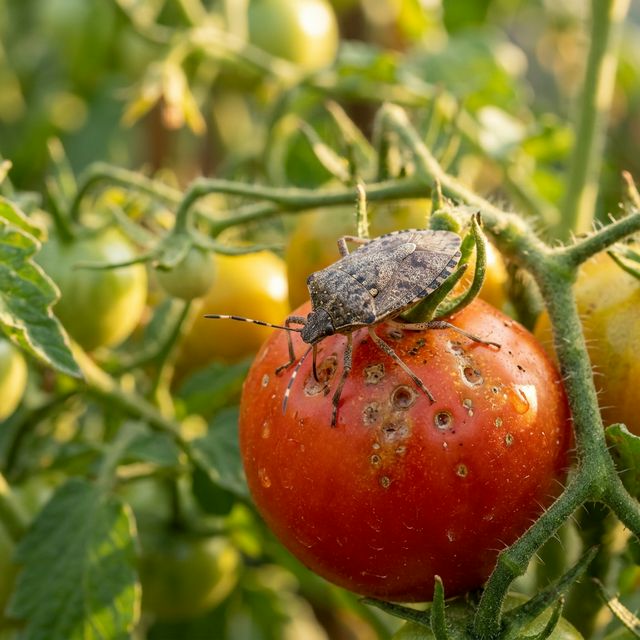
Insecticidal Soap for Whiteflies
Whiteflies driving you crazy? Learn exactly how to use insecticidal soap to eliminate whiteflies from your garden — the right recipe, timing, and technique.
 guides
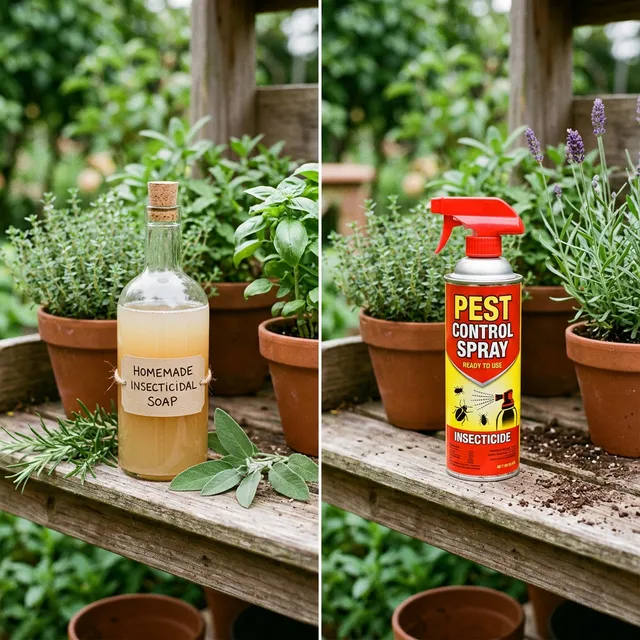
Homemade vs Commercial Insecticidal Soap
Same fatty-acid chemistry, different spend: kitchen castile vs a labeled concentrate. When mixing wins, and when a store bottle is backup.
 guides
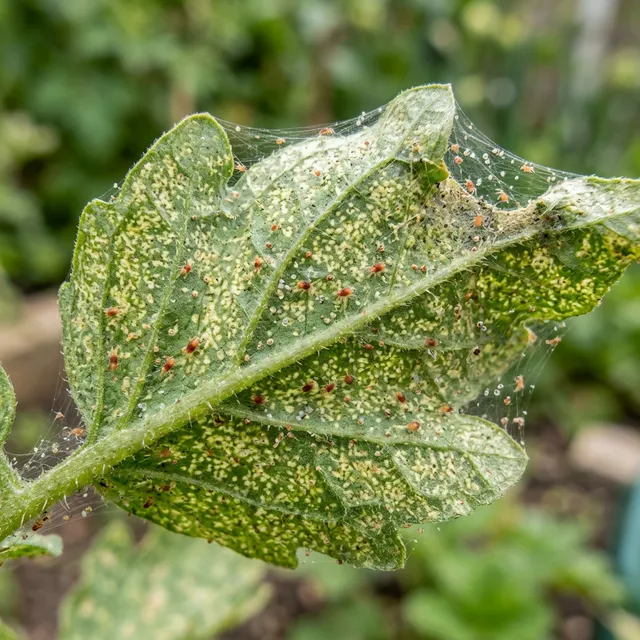
How to Get Rid of Spider Mites Naturally
Proven natural methods for killing spider mites on houseplants and garden crops — soap sprays, neem oil, predatory mites, and prevention.